Fall Meal Prep for One: A Cozy Two-Session Routine
Affiliate disclosure: As an Amazon Associate I earn from qualifying purchases. This article includes affiliate links, which may earn a commission at no extra cost to you. Read our disclosure.
Fall meal prep for one works best when it gives you choices without filling every shelf in the refrigerator. Start with a warm dinner, a breakfast you can repeat, and one easy lunch. Then make a small second batch midway through the week. The goal is a calmer autumn routine, with fewer forgotten leftovers and meals you still want to eat.
This guide uses existing Home Gym Eats recipes rather than asking you to cook an entirely new menu. It is a flexible planning framework, not a full-day nutrition plan or a promise that one batch will last all week.
Choose three anchors for your fall week
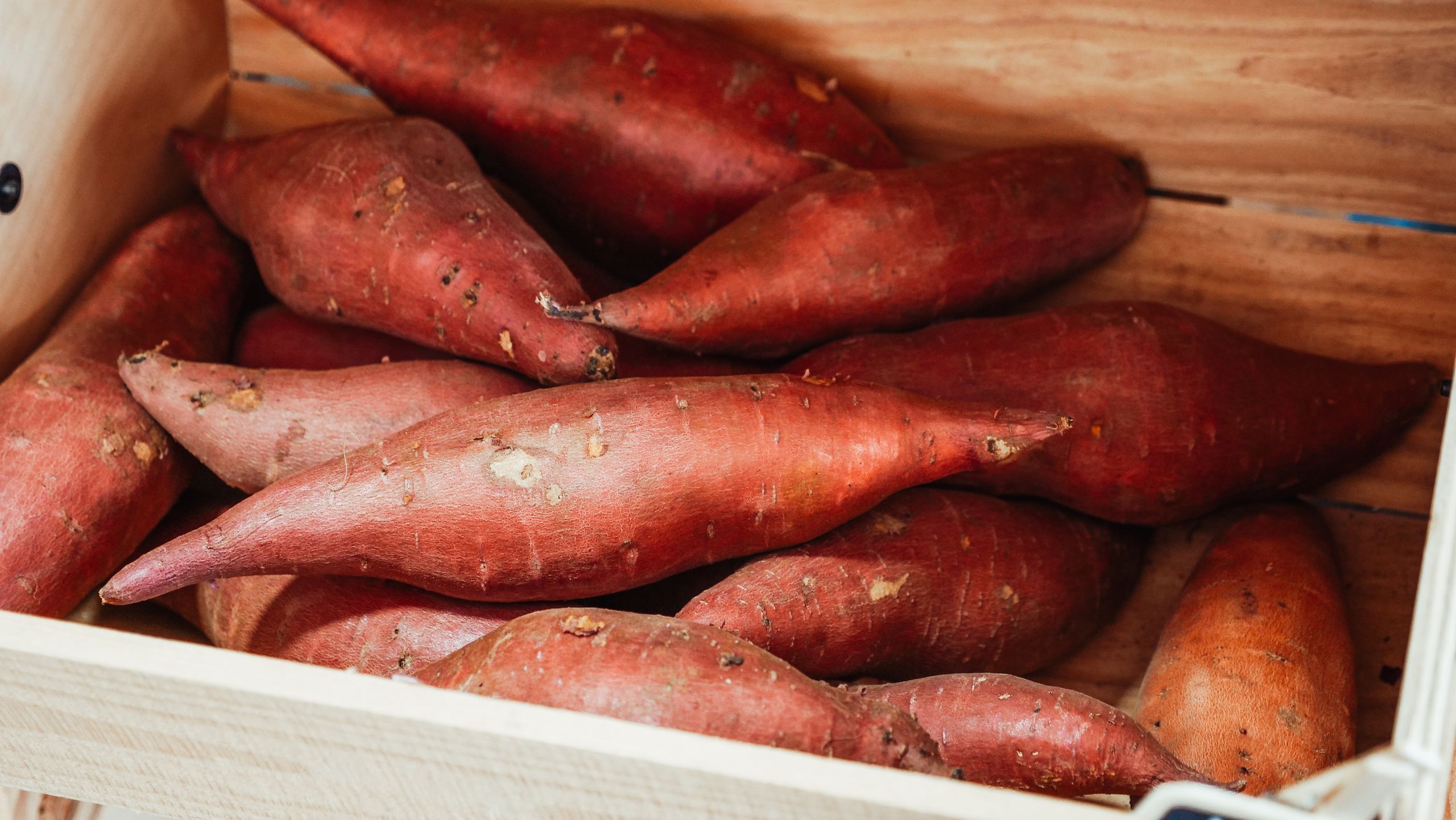
Pick one breakfast, one cooked main, and one flexible lunch. Reusing ingredients matters more than making every meal different. Oats, beans, sweet potatoes, yogurt, and frozen vegetables can each work in several meals.
- Breakfast: try pumpkin overnight oats. Make the recipe quantity that fits your household and follow its storage notes.
- Warm main: use the black bean sweet potato skillet as a dinner, with a portion reserved for another meal.
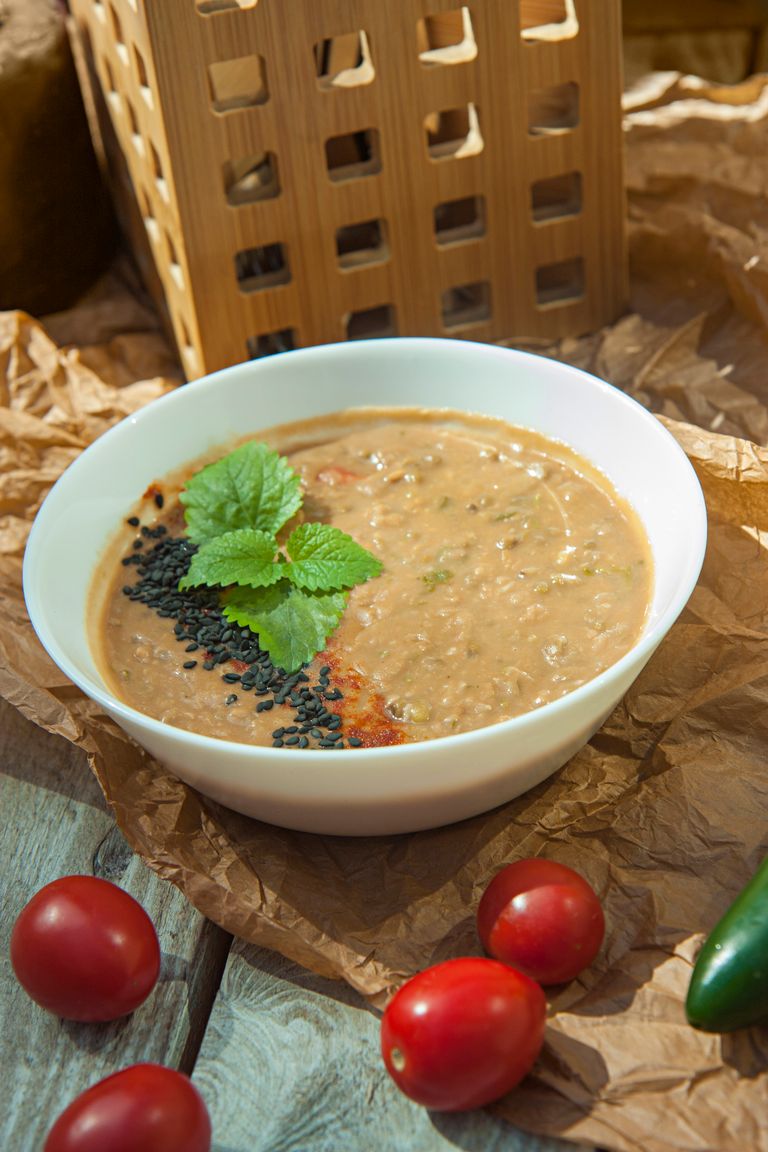
- Flexible lunch: choose red lentil tomato soup, or use our free lunch plan when you want a ready-made shopping list.
These are options, not a requirement to cook all three at once. If your week includes meals out, plan fewer portions. If a recipe makes more than you need, decide which portions to freeze before cooking.
Session one: get the first half of the week ready
Before you start, clear a refrigerator shelf and check your containers. Read the full recipe, gather the ingredients, and prepare only the quantity you expect to eat or freeze. Follow the recipe’s cooking instructions rather than guessing a shorter cooking time for a smaller batch.
- Prepare your chosen cooked main. While it cooks, wash and prepare ingredients for an easy side.
- Mix your breakfast if you are making overnight oats. Keep toppings that lose their crunch separate.
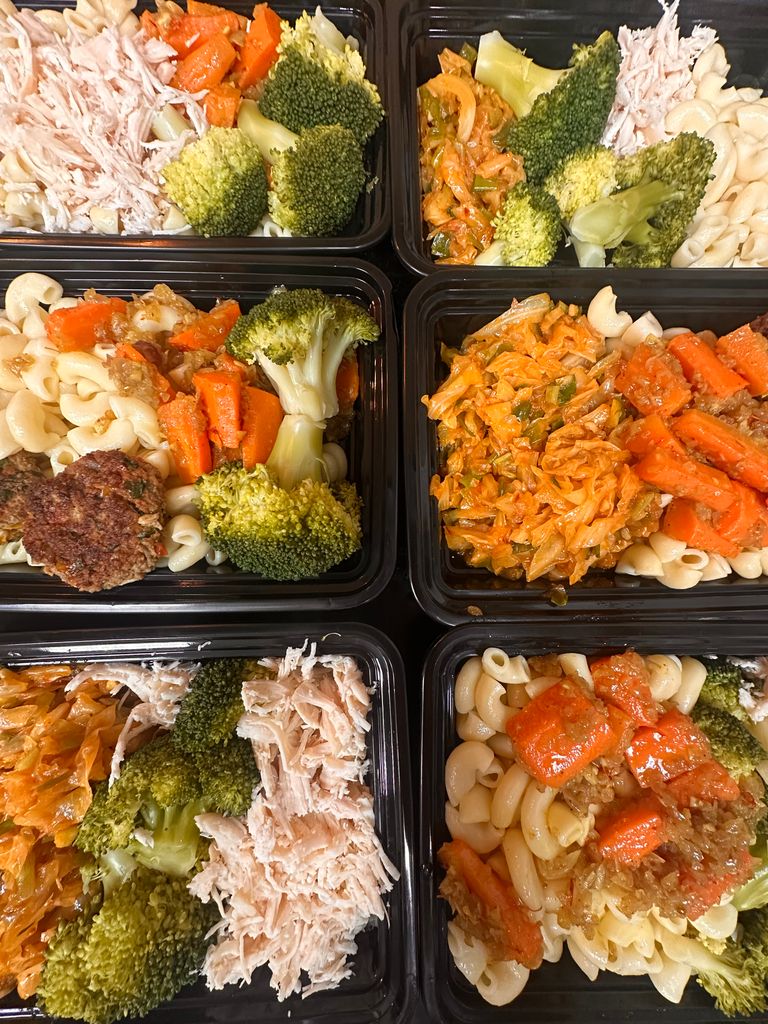
- Divide the cooked food into shallow portions and refrigerate promptly. Label each container with the dish and preparation date.
- Set aside portions for freezing if you will not use them within the refrigerator storage window.
A useful stopping point is two or three ready meals, not a refrigerator full of identical boxes. Leave space for appetite changes and leftovers from another dinner.
Session two: change the flavor, not the whole shopping list
Midweek, look at what remains before cooking again. A partial carton of broth can go into soup; leftover uncooked vegetables can become a side; plain yogurt can finish a bowl at serving time. Check dates and storage conditions first. Putting an older ingredient into a new dish does not restart its safe storage clock.
For the second session, prepare a smaller batch or thaw a frozen portion safely in the refrigerator. Add a different serving format: soup with toast, skillet filling with a suitable tortilla, or a bowl with fresh greens. Keep sauces and crisp extras separate until eating.
A flexible fall grocery checklist
Build quantities from the recipes you actually choose. This checklist is a set of categories, not a combined measured list for all the linked recipes.
- Produce: sweet potatoes, onions, carrots, leafy greens, and a fruit you enjoy.
- Pantry: oats, canned beans, lentils, canned tomatoes, and broth.
- Chilled foods: plain yogurt or a suitable alternative, plus any recipe-specific ingredients.
- Flavor: cinnamon, smoked paprika, cumin, lemon, or vinegar, according to your chosen recipes.
Check package labels for allergens and choose ingredients that fit your needs. Make a separate note for breakfast, dinner, snacks, and sides if your chosen plan covers lunch only. Our grocery-list guide can help you avoid shopping for meals you will not make.
Storage is part of the plan
Keep the refrigerator at 40°F or below. Refrigerate perishable food within two hours, or within one hour when temperatures exceed 90°F. Use cooked refrigerated leftovers within 3–4 days, following any shorter ingredient or recipe instructions. Reheat leftovers to 165°F. See the USDA leftovers guide for safe handling.
For lunches later in the week, use a second prep session or freeze appropriate portions. Do not stretch a Sunday batch through Friday simply because it is called meal prep.
Useful tools, only if you need them
Start with what you own. If something is missing, compare small freezer-safe meal prep containers, rimmed quarter sheet pans, or refrigerator thermometers. Check dimensions, temperature limits, lid instructions, and care requirements before buying. These are shopping options, not hands-on reviews.
Fall meal prep questions
Do I need to prep every meal?
No. One breakfast and a few lunches can be a useful start. Add more only if you are eating what you prepare.
Can I make this work without a freezer?
Yes. Cook smaller batches twice a week and keep them within the refrigerator storage window. Our two-session routine gives you a practical structure.
What if I get bored of leftovers?
Keep the base simple and change a topping or side at serving time. Plan fewer repeat portions rather than forcing yourself through a large batch.