Easy Chicken and Frozen Vegetable Rice Bowls
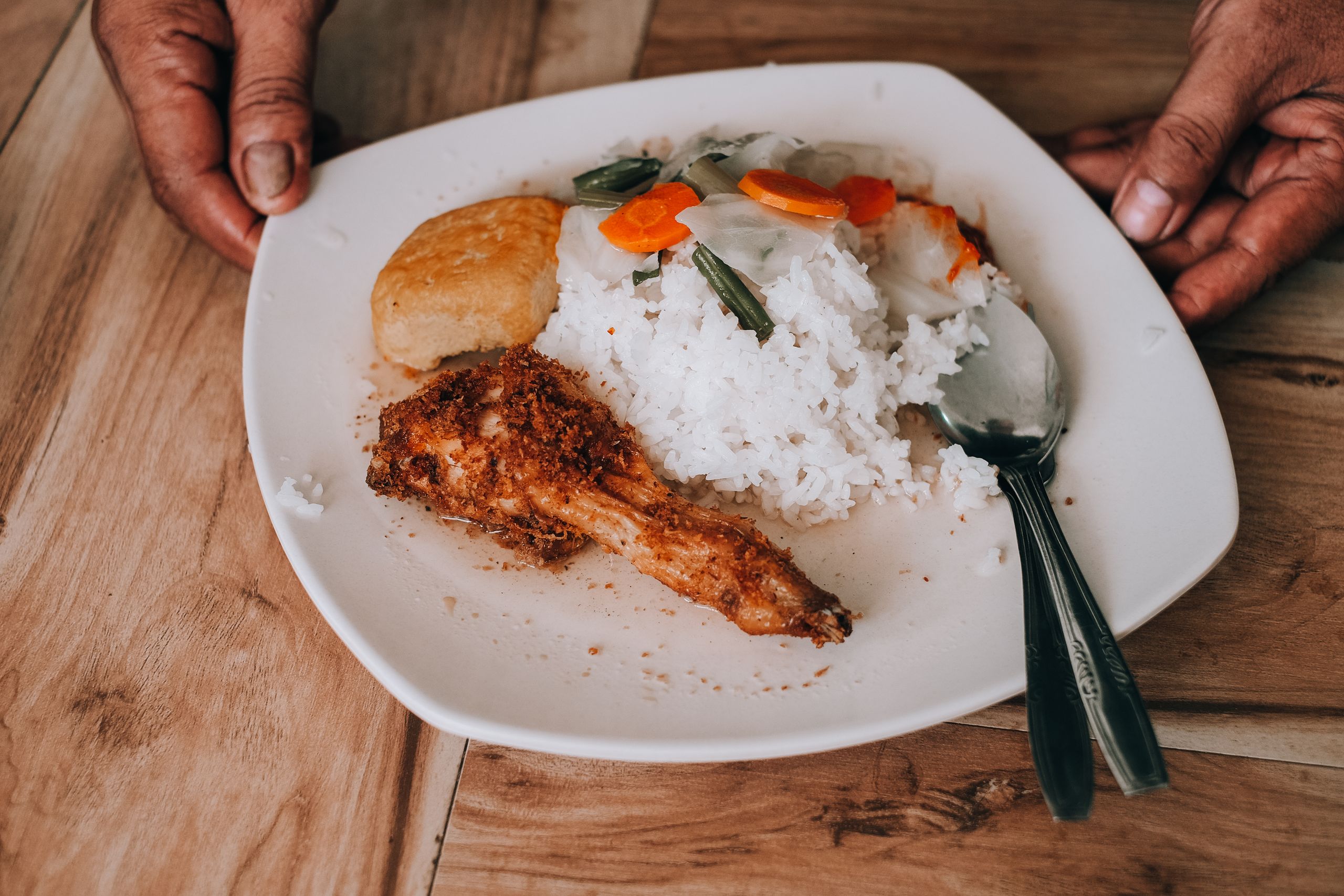
Illustrative stock photo by rakhmat suwandi / Pexels; not a photograph of this exact recipe. License.
Affiliate disclosure: As an Amazon Associate I earn from qualifying purchases. This article includes affiliate links, which may earn a commission at no extra cost to you. Read our disclosure.
Chicken and frozen vegetable rice bowls make an everyday dinner from a short list: chicken breast, plain rice, a bag of frozen vegetables, and seasonings. Cook the rice separately while the chicken cooks, then bring the chicken and vegetables together in one skillet. Divide into four bowls for dinner or a few ready-to-reheat lunches.
These are familiar ingredients to look for at Walmart or another local supermarket. You do not need a specialty sauce, a long topping list, or a new appliance. Prices and availability vary, so compare the unit price and choose store brands when they fit your needs.
Ingredients for four bowls
- 1 cup dry long-grain white rice
- Water, as directed on the rice package
- 1 pound boneless skinless chicken breast, cut into even 3/4-inch pieces
- 1 tablespoon vegetable or olive oil
- 1 teaspoon garlic powder
- 1/2 teaspoon paprika
- 1/4 teaspoon black pepper
- 1 bag frozen mixed vegetables (16 ounces), without sauce
- 2 tablespoons reduced-sodium soy sauce, divided
- 2 tablespoons water, plus more if needed
Choose a plain frozen vegetable blend without sauce. Peas, carrots, corn, green beans, or broccoli can work; follow the cooking directions on your particular bag. A sauced blend can change the flavor, salt, allergens, and cooking instructions.
How to make chicken and frozen vegetable rice bowls
- Cook the rice according to its package directions. Keep covered while preparing the chicken and vegetables.
- Use a separate board for raw chicken. Do not rinse it. Cut into even pieces and season with garlic powder, paprika and pepper. Wash hands and clean surfaces after contact with raw chicken.
- Heat oil in a large skillet over medium-high heat. Add chicken in a single layer, working in batches if crowded. Cook for about 6–9 minutes, turning, until the centers of several of the largest pieces reach 165°F on a food thermometer. Time varies with piece size and pan heat. Transfer to a clean plate.
- Add frozen vegetables and 2 tablespoons water to the skillet. Cover and cook according to the vegetable package directions, stirring occasionally and adding a splash of water if the pan dries. Cook the vegetables fully.
- Return the cooked chicken and any juices to the skillet. Add 1 tablespoon soy sauce and stir until everything is hot. Divide cooked rice among four bowls and top with the chicken and vegetables. Taste before adding the remaining soy sauce.
Start checking the chicken temperature before it overcooks. Browning and cooking time alone cannot confirm it is safe. The CDC recommends 165°F for chicken and advises against washing raw chicken because splashes can spread germs.
Keep the shopping list simple
Use a bag of dry rice you will cook again, one pound of chicken, and one 16-ounce bag of vegetables. Oil, garlic powder, paprika, and pepper may already be in your kitchen. Skip decorative garnishes unless you have them and want to use them. The soy sauce adds flavor, so start with one tablespoon for the whole skillet and taste before adding more.
A larger pack of chicken is only a saving if you use it. Divide and freeze extra raw portions promptly rather than leaving an opened package in the refrigerator all week. Check what is already in the freezer before shopping. Our meal prep grocery-list guide can help keep duplicate purchases out of the cart.
Easy swaps with clear limits
Boneless chicken thighs can replace the breast, but the cooking time can differ. Check the largest pieces reach 165°F. If using already-cooked leftover chicken, keep it refrigerated safely and reheat it to 165°F with the vegetables instead of following the raw-chicken cooking time.
Brown rice or microwave rice can work as the separately cooked base when prepared according to its own package. Do not use the white-rice package timing for brown rice. You can also use a different plain frozen vegetable blend; cook it fully according to the label.
Regular soy sauce commonly contains soy and wheat. If those are concerns, choose an alternative that fits your needs and read its label; not every tamari is gluten-free. This is not an allergy-free recipe. Add extra salt only after tasting the finished dish.
Storage and reheating
Portion leftovers into shallow containers and refrigerate promptly at 40°F or below. Refrigerate within two hours, or within one hour when the surrounding temperature is above 90°F. Use refrigerated leftovers within 3–4 days, and reheat to 165°F throughout. These are the USDA’s leftover handling guidelines.
For microwave reheating, add a small splash of water to the rice, cover with a suitable vented lid, and stir partway through. Check several spots with a food thermometer. Heating time depends on the portion, container, and microwave; a hot edge does not guarantee a hot center. Freeze portions you will not use within the refrigerated storage window and label the date. See our guide to freezing individual meals for more planning ideas.
Useful tools, if you need them
You need a saucepan for rice and a large skillet for the chicken and vegetables. A digital food thermometer helps check chicken and reheated leftovers. For packed lunches, compare meal prep containers and check the manufacturer’s microwave, freezer, and lid instructions. Use suitable tools you already own when possible.
More everyday meal ideas
For a meatless dinner built around the same pantry staple, try one-pot black beans and rice. For an easy breakfast with a different flavor, make peanut butter banana overnight oats. Browse the recipe collection or use the free meal plans to put a few ideas on one grocery list.
Common questions
Do I thaw the vegetables first?
Use them from frozen if the package directs it. Follow the bag’s cooking instructions and cook them fully.
Can I make it without soy sauce?
Yes. Leave it out, taste, and adjust with seasonings you enjoy. The flavor will be milder.
Can I double this?
Cook the chicken in batches so the pan is not crowded, and use enough space to cook the vegetables fully. Doubling the ingredients does not mean doubling every cooking time. Check temperature and doneness.
Ingredients
Method
- Cook the rice according to its package directions. Keep covered while preparing the chicken and vegetables.
- Use a separate board for raw chicken. Do not rinse it. Cut into even pieces and season with garlic powder, paprika and pepper. Wash hands and clean surfaces after contact with raw chicken.
- Heat oil in a large skillet over medium-high heat. Add chicken in a single layer, working in batches if crowded. Cook for about 6–9 minutes, turning, until the centers of several of the largest pieces reach 165°F on a food thermometer. Time varies with piece size and pan heat. Transfer to a clean plate.
- Add frozen vegetables and 2 tablespoons water to the skillet. Cover and cook according to the vegetable package directions, stirring occasionally and adding a splash of water if the pan dries. Cook the vegetables fully.
- Return the cooked chicken and any juices to the skillet. Add 1 tablespoon soy sauce and stir until everything is hot. Divide cooked rice among four bowls and top with the chicken and vegetables. Taste before adding the remaining soy sauce.