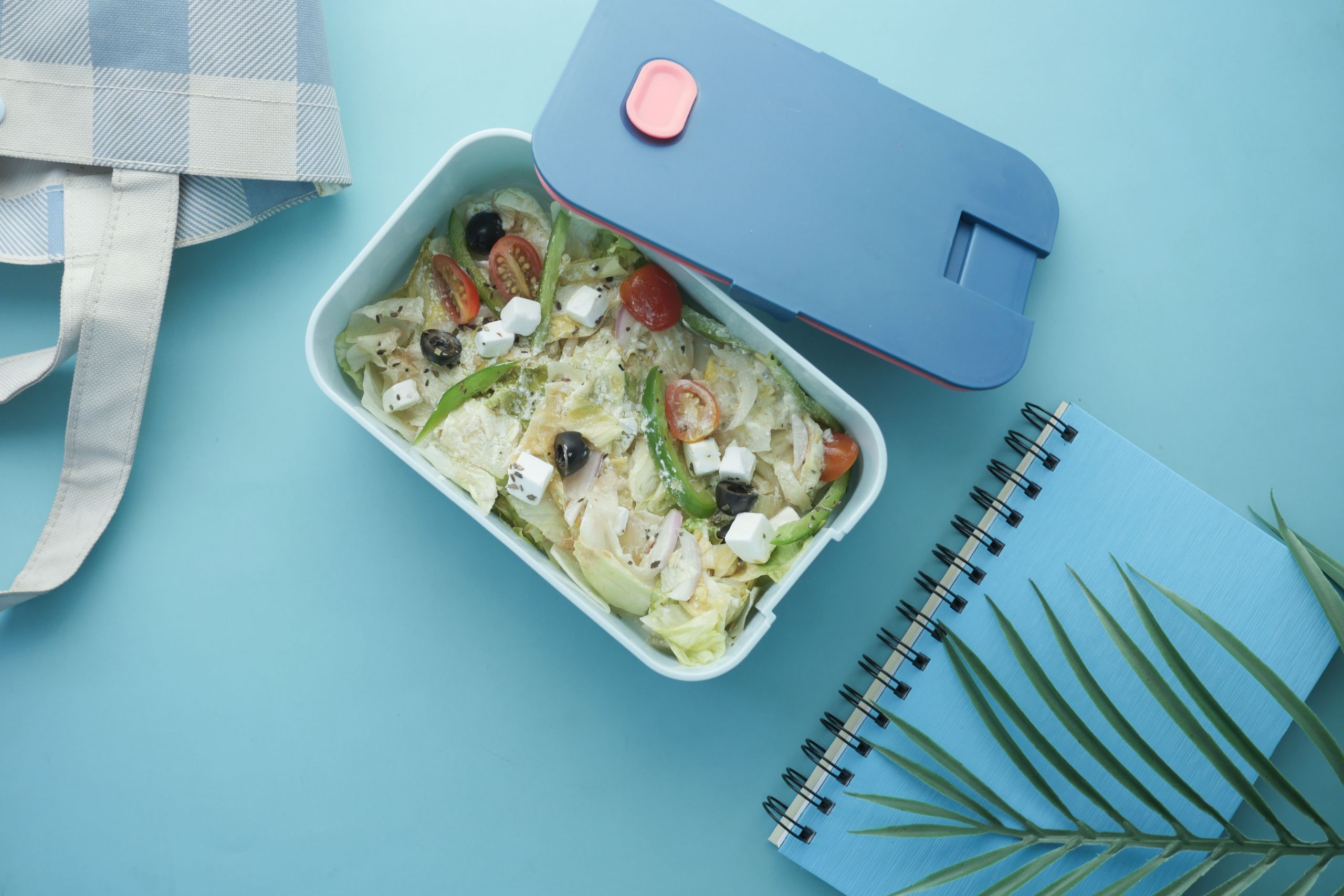
Pack cold lunches for work with three meal combinations, separate dressings, crisp toppings, and a practical cold-storage plan.
Illustrative stock photo; not a photograph of this exact recipe or a product test. Photo by Towfiqu barbhuiya · License.
A cold lunch can be more appealing than a reheated meal, especially when you plan for texture. Build it from components that taste good chilled and keep everything at a safe temperature.
Choose a base for cold lunches for work
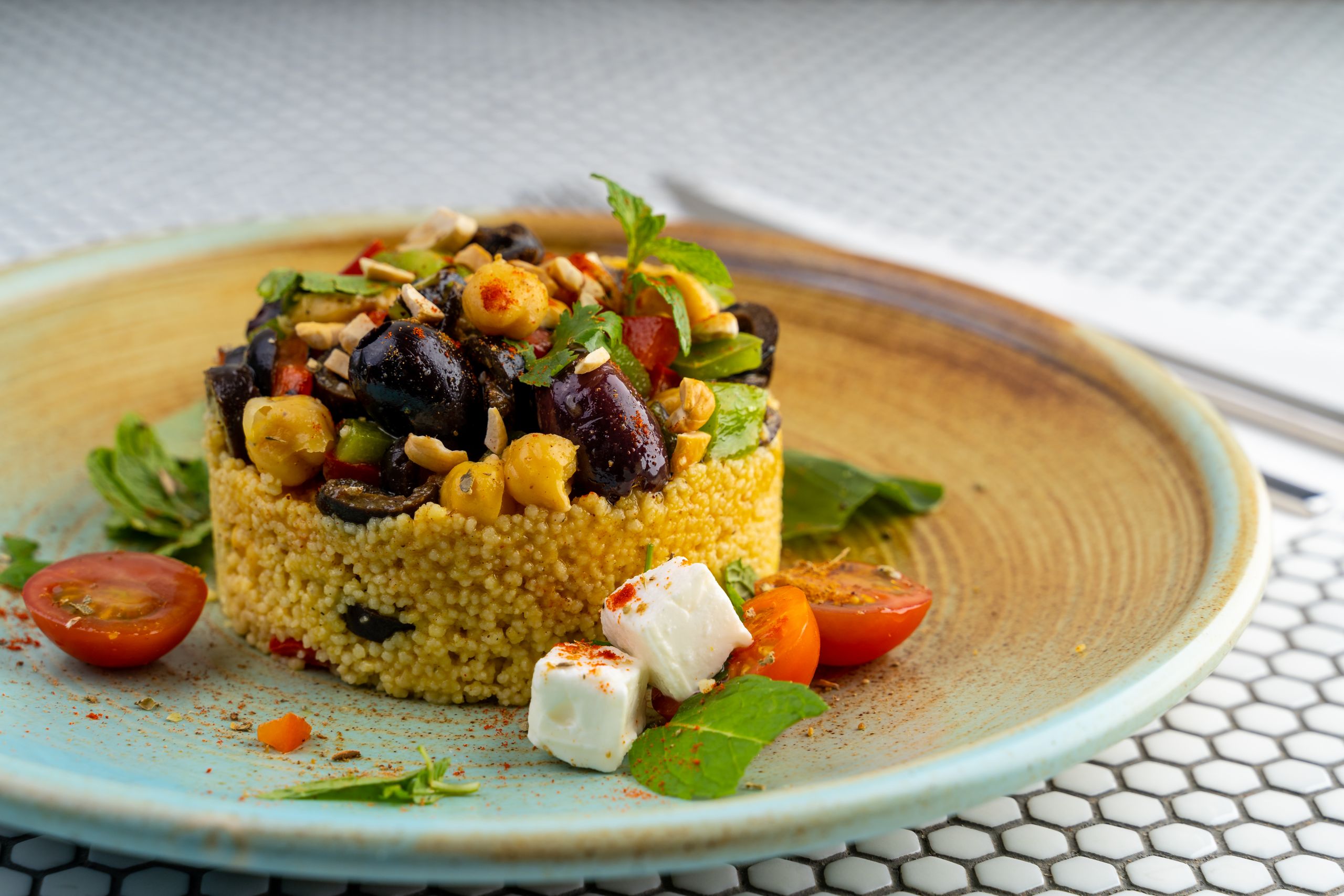
Couscous salad, chickpea filling, or a sturdy grain bowl can work well. Add vegetables with crunch and a sauce you enjoy. If using leaves, pack them dry and separate from wet ingredients. Test the meal cold before committing to several portions.
Pack wet and dry separately
Keep dressing in a small leak-resistant container. Add crackers, toast, seeds, or granola at eating time. For wraps, store the filling separately if you need the tortilla to stay firm for several hours. Use a container large enough to mix the meal without spilling.
Plan the cold chain
A desk drawer is not refrigerator storage. Use an insulated bag and cold packs, and put lunch into a refrigerator when available. Perishable food should remain at 40°F or below. Follow USDA bag-lunch safety guidance, especially for travel in hot weather.
Three combinations to rotate
Chickpea yogurt filling, tortilla, carrot sticks, and fruit.
Lemon couscous bowl with cucumber and tomatoes, plus an optional yogurt.
Cottage cheese packed cold with chopped vegetables and crackers stored separately.
Make packing part of cleanup
Set aside the next day’s portion before putting dinner away. Wash and dry the lunch container each day and inspect lid seals. A short checklist—meal, dressing, utensil, cold pack—prevents a good lunch from becoming inconvenient.
Plan for the actual place you will eat
A cold lunch for a desk differs from one eaten outdoors or in a short break between appointments. Check whether refrigeration is available, whether the container can sit on a flat surface, and whether you have room to mix ingredients. Choose a meal you can eat comfortably in that setting. A complicated layered jar may be less convenient than a broad bowl when time is limited.
Give each component a job
Choose a substantial base, something crisp, and a dressing or spread you enjoy. The chickpea wrap filling offers a base; cucumber or carrot adds texture; a tortilla or crackers provides a convenient way to eat it. Keep quantities flexible to your appetite. A meal does not become balanced simply by filling a container with many small snack items, so consider how the whole lunch fits your needs.
Protect texture with separate packing
Put wet ingredients in sealed compartments or a small dressing tub. Keep leaves dry and add crisp toppings just before eating. If a wrap softens overnight, pack the filling separately instead of repeatedly changing the recipe. Test the actual combination chilled at home; some dishes taste quite different cold even when you enjoyed the warm version. Pack utensils and a napkin alongside the meal.
Use a safe cold-storage plan
Insulation slows temperature changes but does not create refrigeration. Pack perishable food with suitable cold sources and refrigerate it when possible. Do not leave the lunch bag in a hot car or assume a marketing cooling claim applies to your route. If your schedule makes safe cold storage impossible, choose foods specifically suitable for the conditions instead of taking a chance with a perishable filling.
Frequently asked questions
Does no microwave mean no cooking?
No. You can cook grains or other components ahead, store them safely, and eat them chilled. No-cook and no-reheat describe different parts of the preparation.
How do I stop wraps becoming soggy?
Drain fillings, keep leaves dry, and assemble near eating time. A separate filling container often works better than trying to make a very wet filling travel inside a tortilla.
Can I leave the bag at my desk?
Only if your cooling setup maintains safe conditions for the food. An insulated bag alone is not a substitute for refrigeration or suitable cold packs.
Try meal prep twice a week with a simple two-session routine. Plan servings, split the cooking, vary your meals, and organize storage. Illustrative stock photo; not a photograph of this exact recipe or a product test. Photo by Barbara atdxb · License. In this article How to schedule meal prep twice a week Session one:…
Use this meal prep lunch packing checklist to match containers, cooling, and bag space to your workday, with an optional lunch-box shopping example. Illustrative stock photo; not a photograph of this exact recipe or a product test. Photo by Julia M Cameron · License. Affiliate disclosure: As an Amazon Associate I earn from qualifying purchases….
Cook chicken and frozen vegetable rice bowls with basic seasonings, one bag of vegetables, and pantry rice. Four simple servings with practical budget swaps.
Follow a 7-day meal prep plan for beginners, with meal ideas to organize your week. Adjust portions and arrange safe storage for later meals. Introduction A 7 day meal prep plan is one of the easiest ways to save time, eat healthier, and reduce stress during the week. Whether you’re new to meal prepping or…
Learn how to freeze meal prep in single servings, choose suitable containers, label portions, and plan safe thawing and reheating. Illustrative stock photo; not a photograph of this exact recipe or a product test. Photo by thAnh nguyễn · License. In this article Choose foods before you freeze meal prep Use the right container Label…
Make dense bean salad meal prep with chickpeas, white beans, edamame and lemon dressing. Includes four lunches, storage tips and easy ingredient swaps.