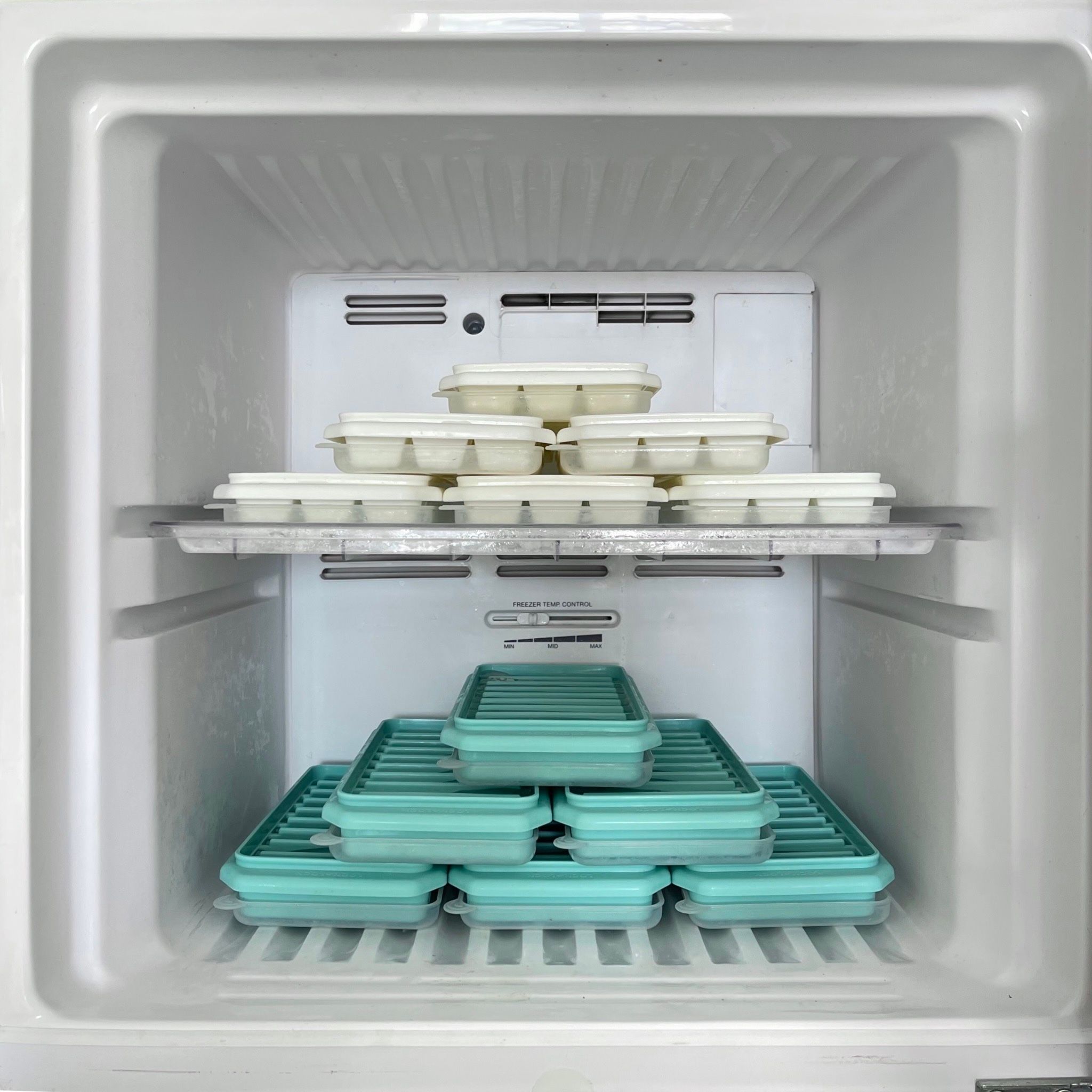
Learn how to freeze meal prep in single servings, choose suitable containers, label portions, and plan safe thawing and reheating.
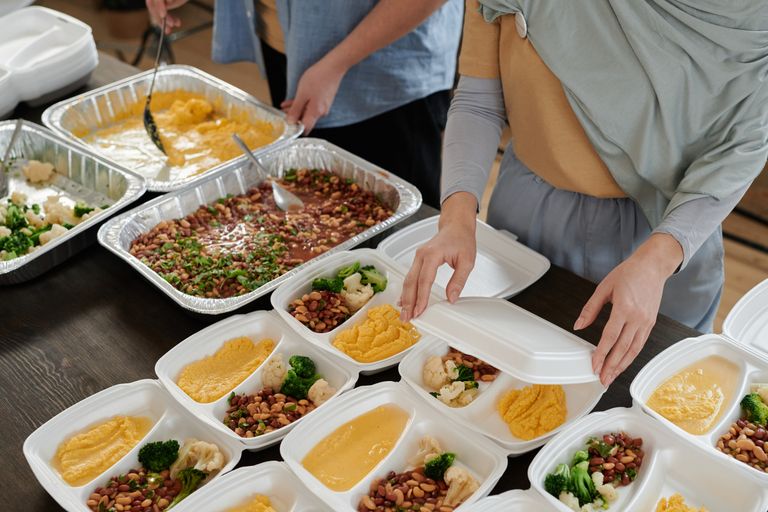
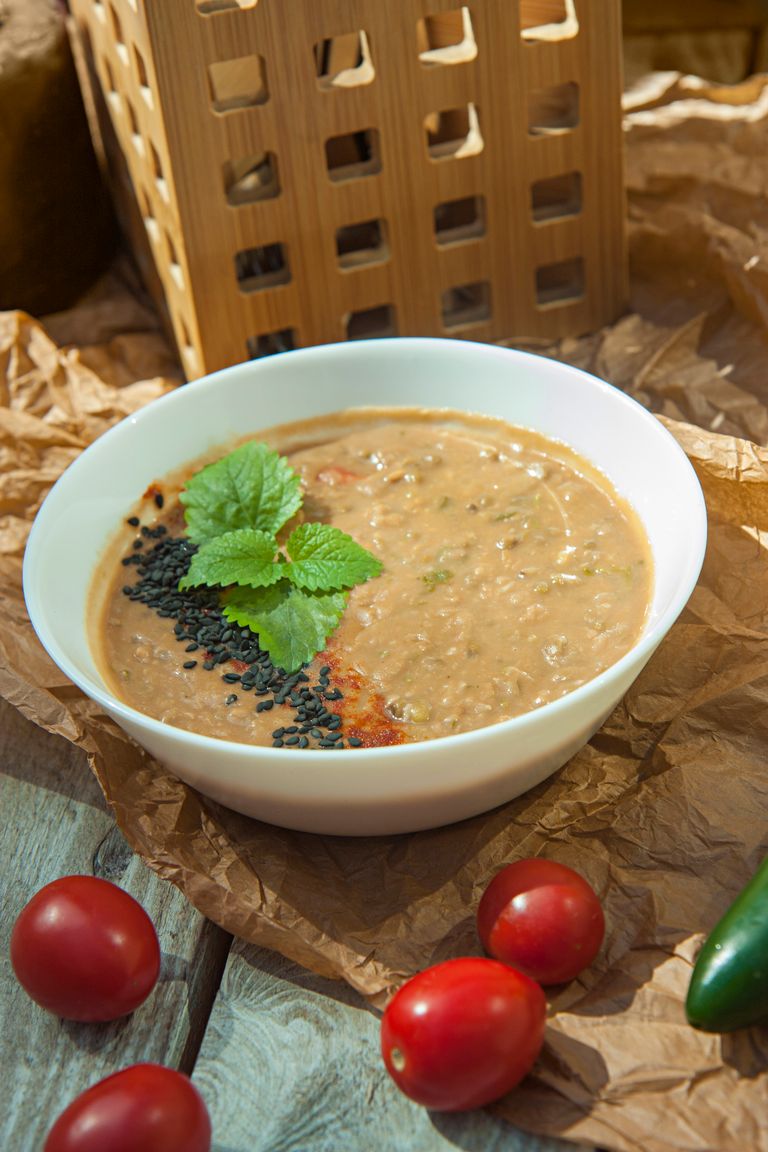
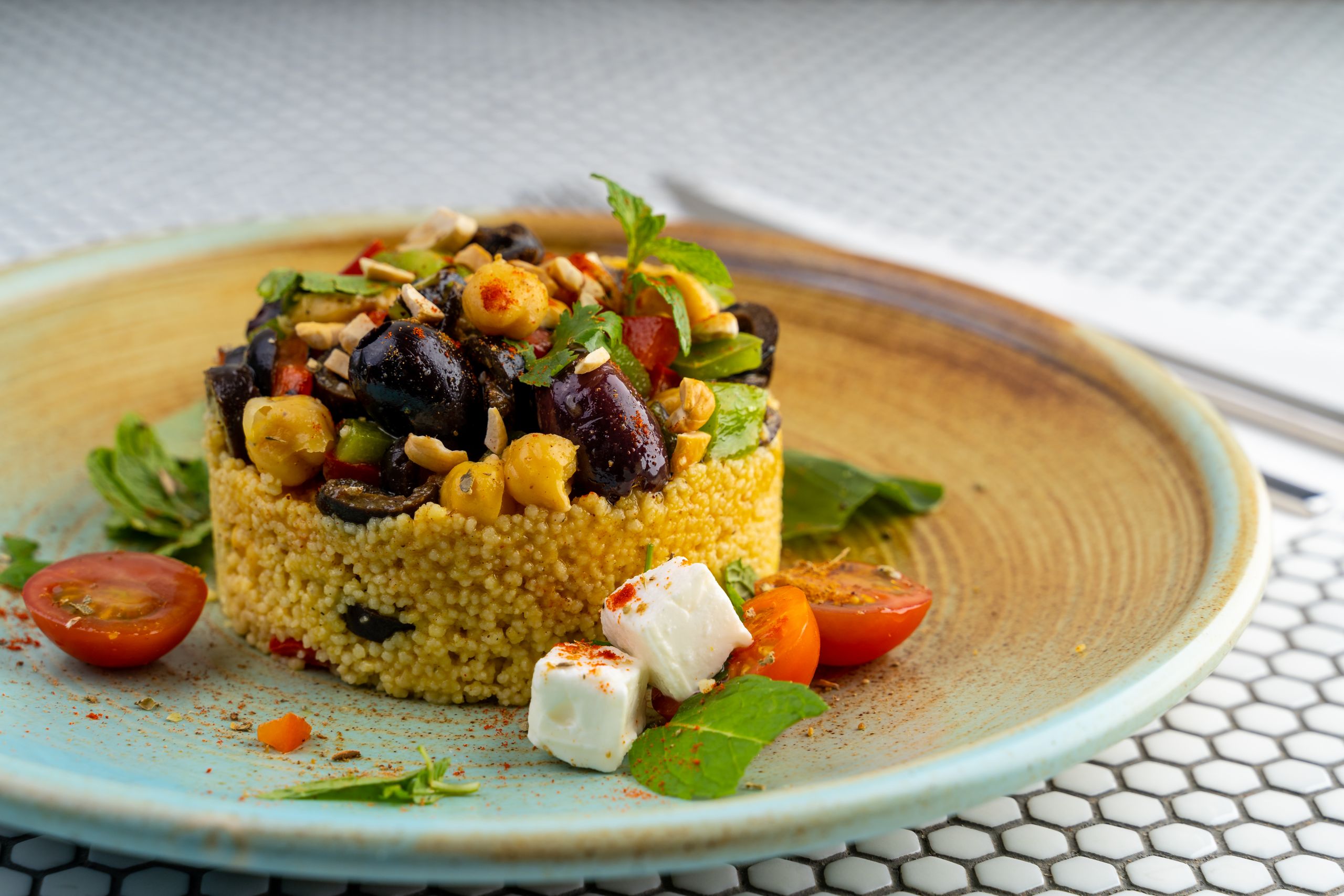
Illustrative stock photo; not a photograph of this exact recipe or a product test. Photo by thAnh nguyễn · License.
A small collection of frozen portions gives you options when fresh plans fall through. The key is freezing food intentionally, with packaging and labels that make it easy to use.
Choose foods before you freeze meal prep
Soups, bean stews, and many cooked grain dishes are practical starting points. Crisp salad vegetables and creamy dressings may change texture after thawing. Freeze a single portion first if you are unsure whether you will enjoy a particular dish.
Use the right container
Choose packaging labeled for freezer use. Divide food into shallow, meal-size portions. Leave expansion space for liquids and check the container manufacturer’s directions. A large solid block takes longer to thaw and encourages reheating more food than you need.
Label for a future busy day
Dish name and preparation date.
Number of servings.
Any separate sauce or topping to add.
Basic reheating reminder.
Keep a simple list of what is frozen and cross off portions as you use them. Place newer items behind older ones.
Cool, thaw, and reheat safely
Do not leave cooked food on the counter to cool for hours. Refrigerate promptly in shallow containers, then freeze portions meant for later. Thaw in the refrigerator, or use an appropriate microwave method followed by immediate reheating. Reheat leftovers to 165°F, checking several spots and stirring when possible. Follow USDA guidance for details.
Keep the system small
Start with two spare portions, then see what you actually use. A freezer is most helpful when you recognize its contents and enjoy the meals, not when it becomes a permanent storage space for unwanted leftovers.
Decide what the frozen portion needs to become a meal
Before filling a container, think through the future serving. Does soup need bread? Is rice already included in the bowl? Is a topping better added fresh? Write any missing component on the label or freezer inventory. This turns a frozen item into an easy option rather than another cooking project. Start with dishes you already enjoy after refrigeration before freezing a large quantity.
Package for both thawing and storage space
A flat, single-meal portion can be easier to organize than a deep container holding several servings. Leave the expansion space the product instructions require and use packaging rated for freezing. Do not overfill a glass container or assume a freezer-safe base can go directly into an oven. Protect labels from moisture and keep lids paired with their bases while preparing the batch.
Build a rotation you can maintain
Choose a place for newly frozen food and move older portions toward the front. Use a simple note with the dish, date, and number of portions. Cross off a meal when it leaves the freezer. If something stays untouched through several menu cycles, stop making more of it and reconsider the recipe. Freezing is useful for food you want to eat, not a permanent solution for unwanted leftovers.
Plan the transition back to the table
Move a planned portion to the refrigerator with enough time to thaw safely, following appropriate guidance. Keep it in a container that can catch leaks. For microwave thawing, follow the appliance and food instructions and proceed to reheating as required. Stir where possible and check temperature in more than one place. A hot edge is not evidence that the center is equally hot.
Frequently asked questions
Should I freeze food at the end of its refrigerator life?
It is better to plan freezing earlier while food has been handled safely. Freezing does not undo unsafe time or storage conditions.
Can every salad be frozen?
No. Crisp vegetables and some dressings can change texture substantially. Freeze a small test portion only when the ingredients and handling are suitable.
Can the same container freeze and reheat?
Only if its exact instructions permit both uses and the temperature transition. Base and lid limits may differ; never assume material alone answers the question.
Prep high protein pumpkin overnight oats with Greek yogurt, oats and pumpkin puree. No protein powder needed, with four servings and easy texture fixes.
Try component meal prep with separate grains, vegetables, protein foods, and sauces. Includes a mini-menu and tips for storage and assembly. Illustrative stock photo; not a photograph of this exact recipe or a product test. Photo by Diana ✨ · License. In this article Choose three component meal prep building blocks Keep flavors adaptable An…
Learn how to double a meal prep recipe with a scaling worksheet, bowl-capacity checks, pan-space planning, and optional scale and sheet-pan links. Illustrative stock photo; not a photograph of this exact recipe or a product test. Photo by Ron Lach · License. Affiliate disclosure: As an Amazon Associate I earn from qualifying purchases. This article…
Use this meal prep lunch packing checklist to match containers, cooling, and bag space to your workday, with an optional lunch-box shopping example. Illustrative stock photo; not a photograph of this exact recipe or a product test. Photo by Julia M Cameron · License. Affiliate disclosure: As an Amazon Associate I earn from qualifying purchases….
Build a meal prep grocery list around your calendar, recipes, and pantry. Count servings, organize by store section, and plan a backup meal. Illustrative stock photo; not a photograph of this exact recipe or a product test. Photo by Kampus Production · License. In this article Count meals before writing your meal prep grocery list…