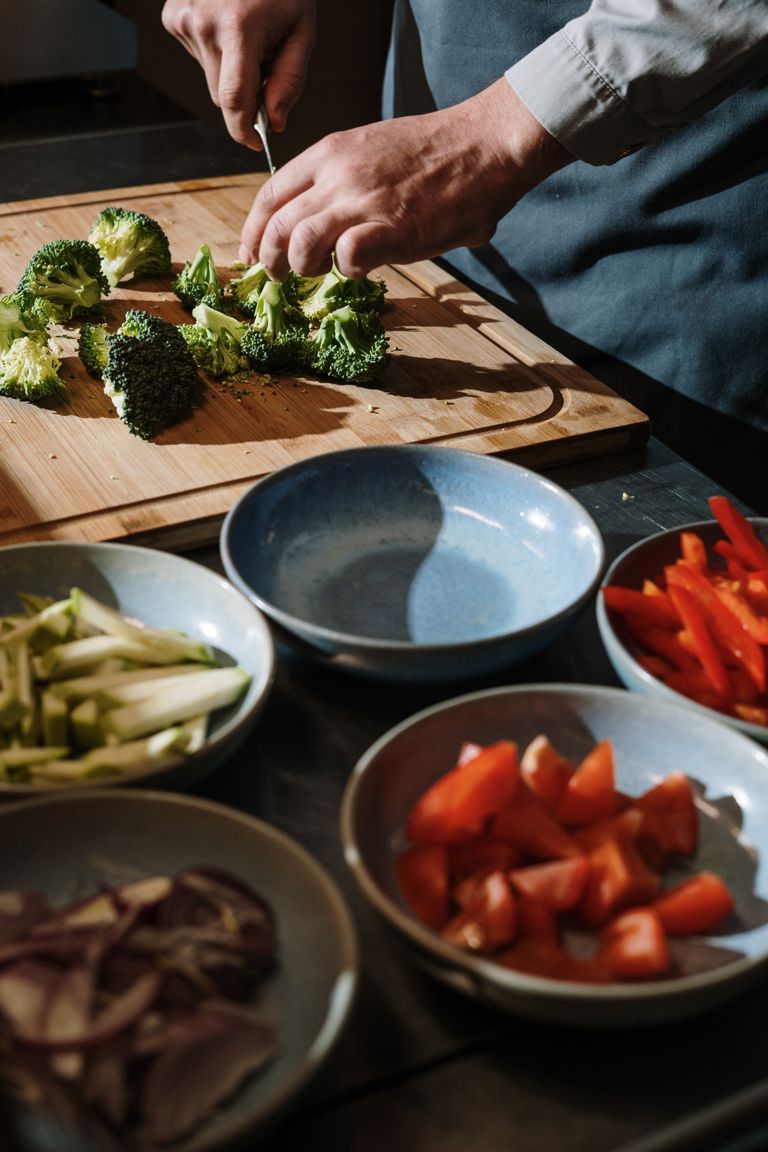
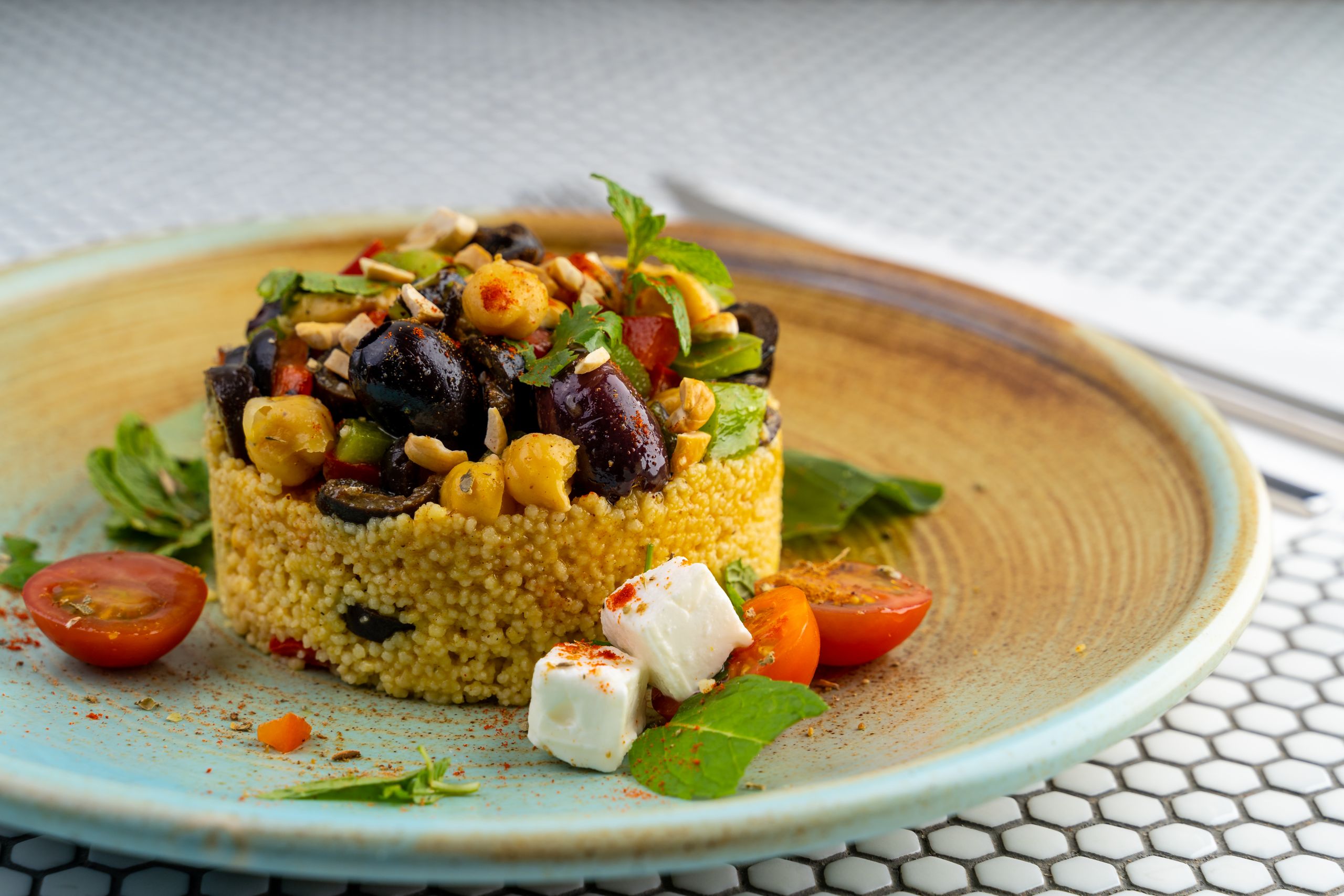
Try component meal prep with separate grains, vegetables, protein foods, and sauces. Includes a mini-menu and tips for storage and assembly.
Illustrative stock photo; not a photograph of this exact recipe or a product test. Photo by Diana ✨ · License.
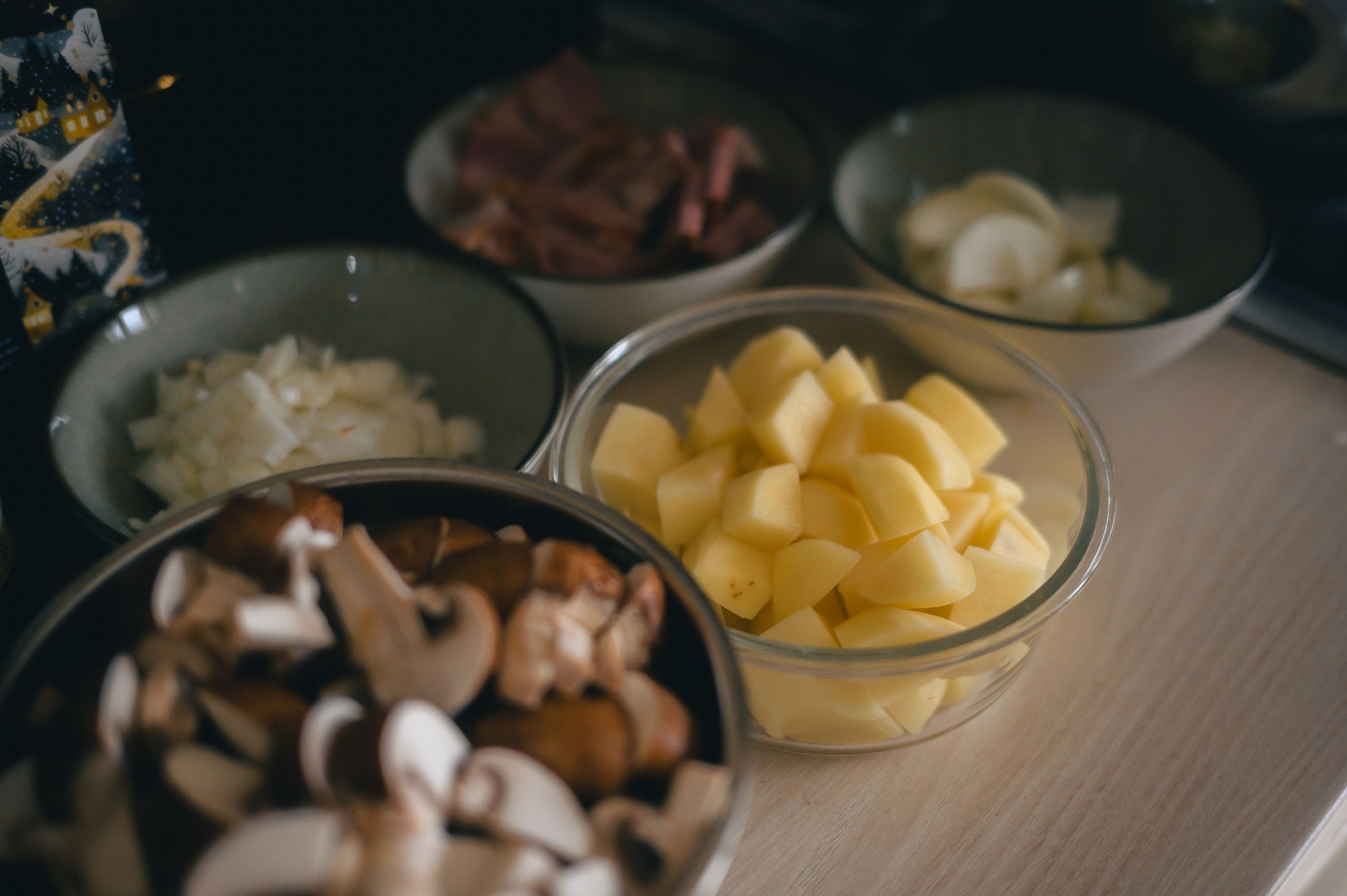
Component prep means preparing a few building blocks instead of fully assembled meals. It suits people who want flexibility but dislike starting from scratch every evening.
Choose three component meal prep building blocks
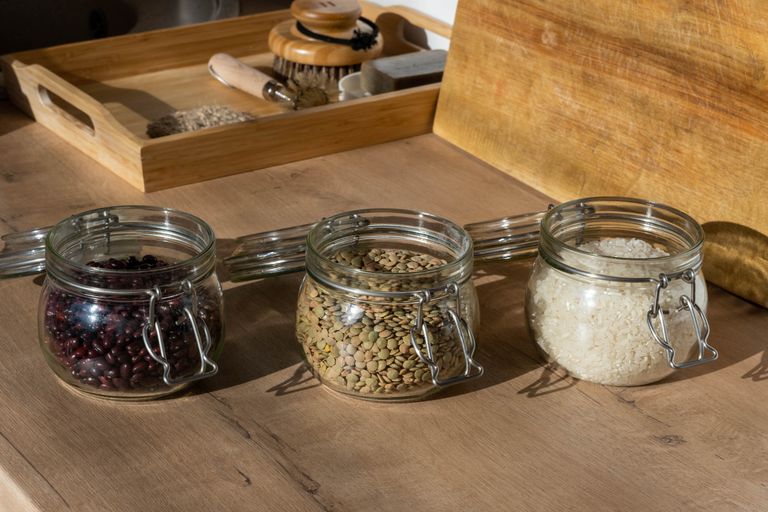
Start with one cooked grain, one bean or other protein food, and vegetables prepared in a way you enjoy. Cook modest quantities. The components should make at least two combinations you look forward to eating, not simply satisfy a checklist.
Keep flavors adaptable
Season the base simply, then add different dressings at serving time. Rice and beans might become a warm cumin bowl one day and a lemon-herb salad the next. A yogurt sauce can be flavored with dill for one meal and smoked paprika for another.
An example mini-menu
Prepare rice, roasted peppers, and a batch of lentil tomato soup.
Meal one: soup with toast.
Meal two: rice bowl with peppers and canned chickpeas.
Meal three: use peppers in egg muffins, cooking them thoroughly.
Write quantities before cooking so you do not accidentally promise the same portion to multiple meals.
Store separately and label
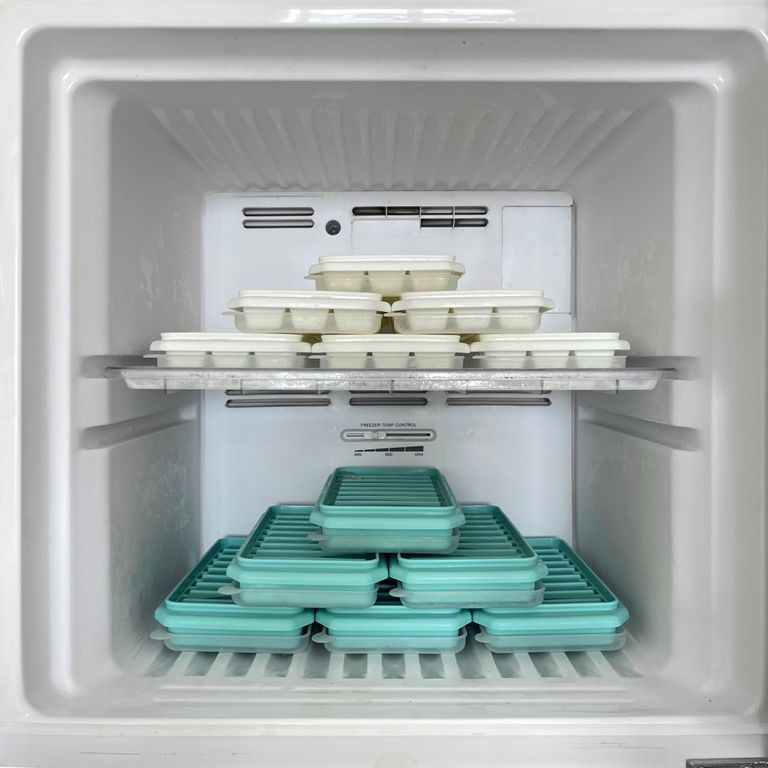
Separate containers let you change portions and protect texture. Label dates, refrigerate promptly, and freeze portions needed beyond the recommended storage window. Combining old and new components does not reset their storage time. Follow the oldest ingredient’s safe-use limit.
Know when to assemble ahead
For a rushed morning, an assembled lunch may be more practical than several containers. Use component prep for flexible dinners and fully packed meals for days when convenience matters most. The right method is the one you can repeat without creating extra cleanup.
Write combinations before cooking components
List two or three actual meals that your ingredients will become. Rice, chickpeas, and vegetables could become a warm bowl with cumin or a chilled salad with lemon. If you cannot name a meal you want, the components may become another set of leftovers to manage. Work out portions so the same serving is not counted twice. Your plan should show both the cooking task and the eating task.
Prepare neutral bases and distinct finishing flavors
Simple seasoning makes a component adaptable, but neutral should not mean unpleasant. Cook grains according to their instructions and season appropriately for your needs. Keep a separate dressing or herb mixture for finishing. Change one strong flavor at serving time rather than preparing several nearly identical sauces. The goal is a few meaningful choices, not more jars than meals.
Choose a storage system you can see
Use clear labels and keep components together in a practical part of the refrigerator. Store raw ingredients safely away from ready-to-eat foods. Note the date of the oldest prepared item in an assembled meal; combining components does not reset storage time. If a container is too large to fit your shelf or cool food promptly, divide the batch into smaller suitable portions.
Know when fully assembled meals are easier
Component prep gives flexibility at dinner, but assembling several containers while rushing to work can defeat the purpose. Pack the next day’s lunch during evening cleanup and leave components separate for meals eaten at home. If you regularly skip the assembly step, reduce the number of components. Your routine should remove decisions at the moments you find difficult rather than move those decisions to another busy time.
Frequently asked questions
Is component prep the same as batch cooking?
They can overlap. Batch cooking makes several servings; component prep keeps building blocks separate so you can combine them differently. You can use either method for different meals.
How many components should I start with?
Start with a grain or starch, a protein food, and vegetables you enjoy. Add one familiar sauce. Expand only when those ingredients reliably become meals.
Can I use leftovers as a component?
Yes, if they have been handled and stored safely. Keep their original storage limit in mind, and freeze suitable portions before they become too old to use.
Learn how to freeze meal prep in single servings, choose suitable containers, label portions, and plan safe thawing and reheating. Illustrative stock photo; not a photograph of this exact recipe or a product test. Photo by thAnh nguyễn · License. In this article Choose foods before you freeze meal prep Use the right container Label…
Explore ten cheap meal prep ideas for beginners, then plan ingredients around your budget, servings, and schedule. A starting point for affordable meals. Cheap Meal Prep Ideas: 10 Easy Budget-Friendly Meals Looking for cheap meal prep ideas? Discover 10 easy, budget-friendly meals for beginners that can help you save money, reduce food waste, and eat…
Build a meal prep grocery list around your calendar, recipes, and pantry. Count servings, organize by store section, and plan a backup meal. Illustrative stock photo; not a photograph of this exact recipe or a product test. Photo by Kampus Production · License. In this article Count meals before writing your meal prep grocery list…
Prep high protein pumpkin overnight oats with Greek yogurt, oats and pumpkin puree. No protein powder needed, with four servings and easy texture fixes.
Use a simple meal prep reset when plans fall apart. Check usable food, choose an easy meal, write a short shopping list, and prepare for tomorrow. Illustrative stock photo; not a photograph of this exact recipe or a product test. Photo by cottonbro studio · License. In this article Start your meal prep reset with…