Use a simple meal prep reset when plans fall apart. Check usable food, choose an easy meal, write a short shopping list, and prepare for tomorrow.
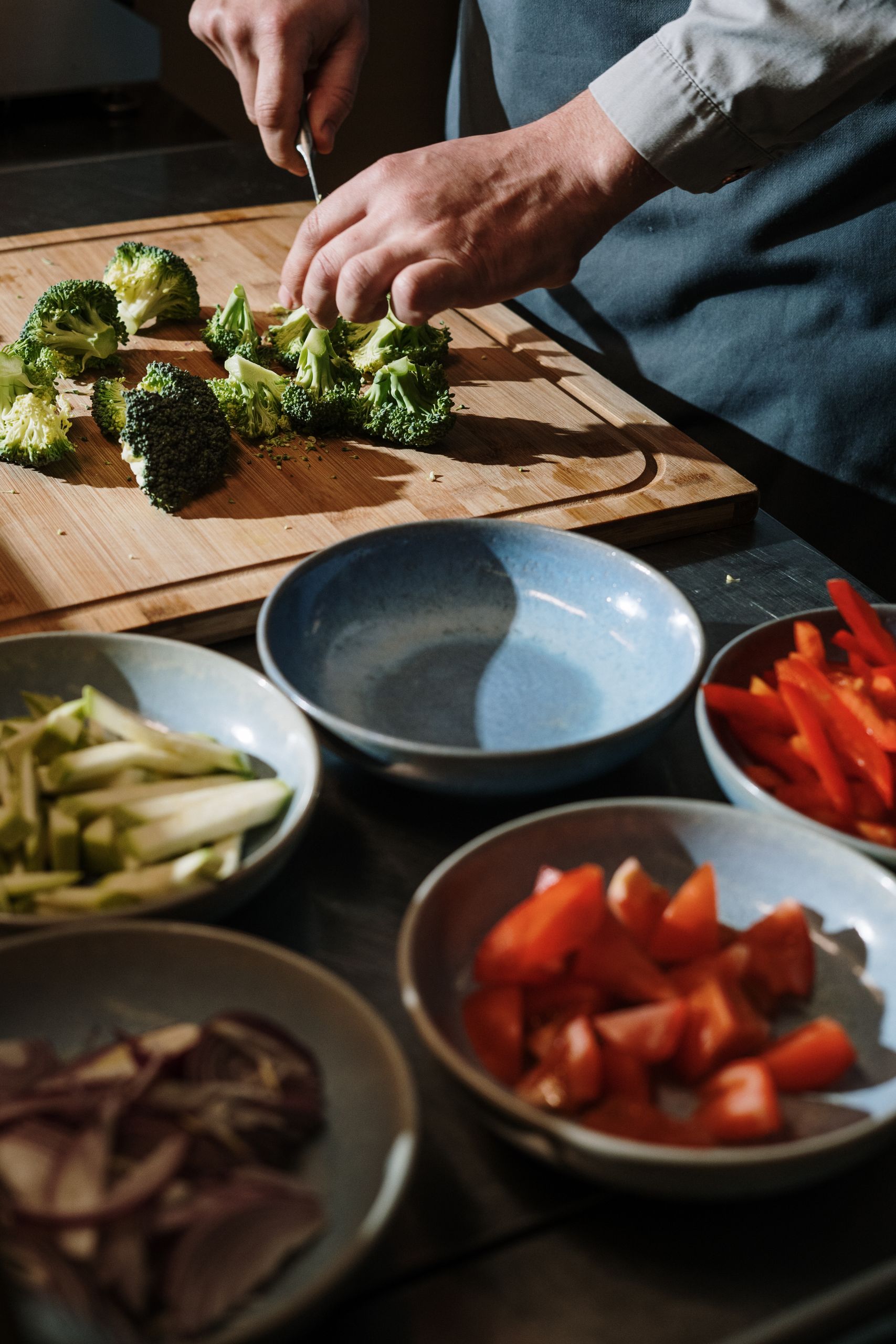
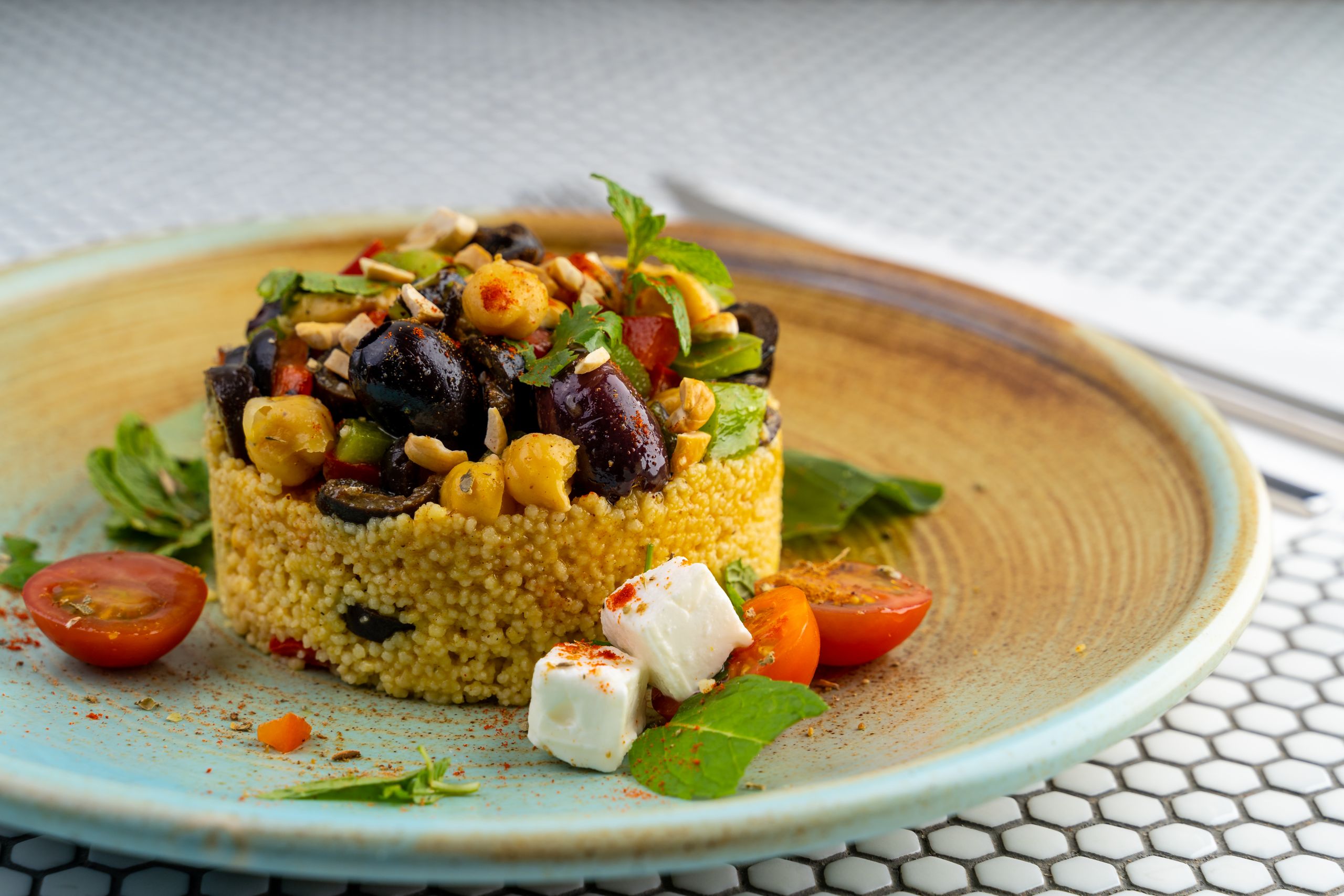
Illustrative stock photo; not a photograph of this exact recipe or a product test. Photo by cottonbro studio · License.
Missed prep days happen. A reset should solve your next few meals, not require a perfect new routine. Start with what is available and reduce the number of decisions.
Start your meal prep reset with a food check
Look at preparation dates, package instructions, and storage history. If food has been stored unsafely, do not try to rescue it by reheating. Set aside ingredients you can use promptly and identify anything that needs freezing within its safe window.
Choose one easy meal now
Make the next meal before planning the whole week. A bean skillet, yogurt breakfast bowl, or simple soup can be more useful than a complicated batch recipe when energy is low. Frozen vegetables and canned beans help reduce chopping and cooking time.
Use a three-item shopping list
If shopping is needed, write the missing ingredients for two meals rather than replenishing every pantry item. For example: yogurt for breakfast, tortillas for chickpea wraps, and a bag of carrots for both lunch and dinner. Check quantities so the list remains purposeful.
Prepare tomorrow’s bottleneck
Identify the moment most likely to lead to skipping your plan. If it is breakfast, mix oats tonight. If it is a packed lunch, portion the filling and set out a clean container. Spend ten minutes on that single obstacle before taking on more work.
Change the next plan
Notice what caused the problem: too many recipes, food you did not enjoy, or an unrealistic prep day. Reduce one source of friction. Two reliable meals are a better foundation than a full menu you cannot maintain. Review food safety at USDA when deciding what to keep.
Separate a missed plan from unusable food
A disrupted schedule does not automatically mean everything must be thrown away, but a printed menu does not make food safe either. Check preparation dates, refrigeration history, package guidance, and the type of food. If you cannot establish safe handling for a perishable item, do not try to compensate with extra cooking. Make the next plan from food you can use confidently.
Choose an emergency meal before an ideal menu
When you are tired, the next meal matters more than designing seven days. Pick one combination using familiar ingredients: beans with rice, a simple soup, or a yogurt bowl with sides. Keep the task small enough to finish. If shopping is needed, buy the specific missing ingredients rather than replenishing every item that looks low. The reset should reduce work, not create a larger unfinished project.
Fix the point where the routine broke
Ask what made the original plan difficult. A packed lunch may have needed a microwave you did not have; a recipe may have created too much cleanup; a prep day may have clashed with family plans. Change that one detail. A different container, smaller batch, or no-reheat recipe may help more than a completely new diet or a complicated tracking system.
Build a smaller fallback for the next busy week
Keep a short list of meals you can make with dependable pantry or freezer ingredients. Maintain only quantities you actually use. After a few days, note whether the fallback prevented another last-minute scramble. If not, simplify again. A workable reset can mean preparing two breakfasts and one lunch, then returning to ordinary cooking instead of attempting to recover an entire missed week at once.
Frequently asked questions
Should I restart the whole weekly plan?
Usually you can begin with the next useful meal. Count remaining meals and adjust quantities. There is no need to recreate food for days that have already passed.
What if I have no time to cook?
Use suitable convenience foods or a safely stored freezer portion. Choose according to your needs and storage conditions, then plan a small preparation task when time returns.
How do I know whether a reset worked?
Look at meals you ate, waste avoided, and effort required. A simpler routine that you repeat is more useful than an elaborate plan that only works once.
Follow a 7-day meal prep plan for beginners, with meal ideas to organize your week. Adjust portions and arrange safe storage for later meals. Introduction A 7 day meal prep plan is one of the easiest ways to save time, eat healthier, and reduce stress during the week. Whether you’re new to meal prepping or…
Cook chicken and frozen vegetable rice bowls with basic seasonings, one bag of vegetables, and pantry rice. Four simple servings with practical budget swaps.
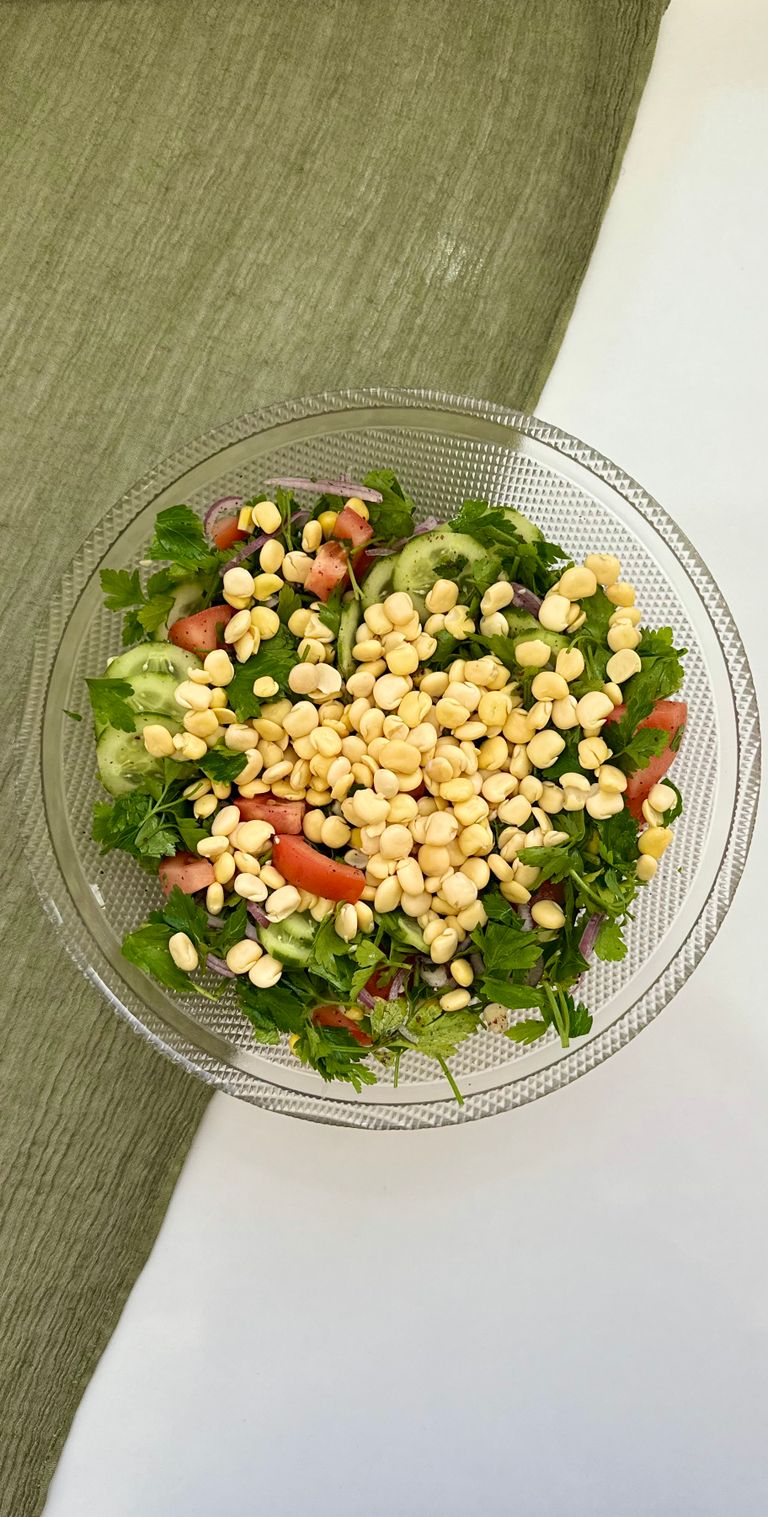
Make dense bean salad meal prep with chickpeas, white beans, edamame and lemon dressing. Includes four lunches, storage tips and easy ingredient swaps.
Build a meal prep grocery list around your calendar, recipes, and pantry. Count servings, organize by store section, and plan a backup meal. Illustrative stock photo; not a photograph of this exact recipe or a product test. Photo by Kampus Production · License. In this article Count meals before writing your meal prep grocery list…
Make meal prep for one easier with two-serving batches, overlapping ingredients, a realistic grocery list, and single-portion freezing. Illustrative stock photo; not a photograph of this exact recipe or a product test. Photo by Mikhail Nilov · License. In this article Start meal prep for one with two servings Give each ingredient two jobs Freeze…
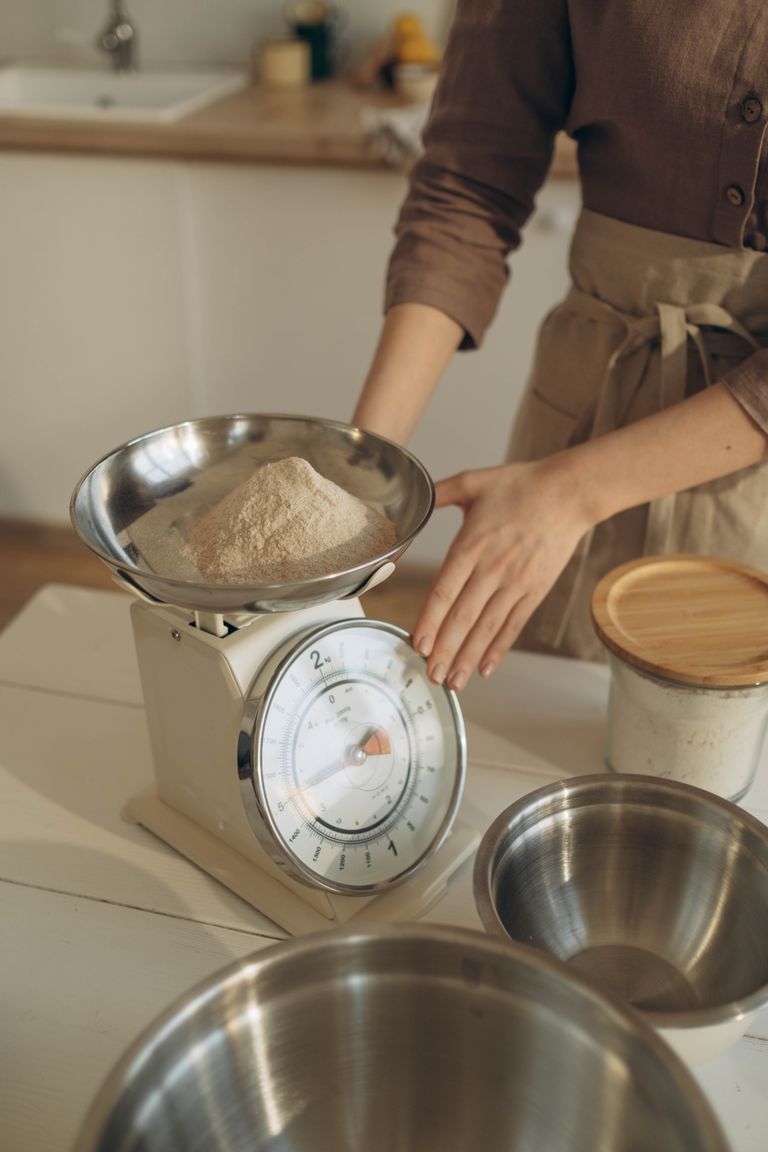
Learn how to double a meal prep recipe with a scaling worksheet, bowl-capacity checks, pan-space planning, and optional scale and sheet-pan links. Illustrative stock photo; not a photograph of this exact recipe or a product test. Photo by Ron Lach · License. Affiliate disclosure: As an Amazon Associate I earn from qualifying purchases. This article…