Freezer Soup Meal Prep: A Cozy Fall Batch-Cooking Guide
Affiliate disclosure: As an Amazon Associate I earn from qualifying purchases. This article includes affiliate links, which may earn a commission at no extra cost to you. Read our disclosure.
Freezer soup meal prep is a practical way to save a warm meal for a busy fall evening. Instead of making a huge batch and hoping you finish it, cook a soup you enjoy, freeze useful portions, and keep a small list of what is available. A little organization turns the freezer into a backup plan you can actually use.
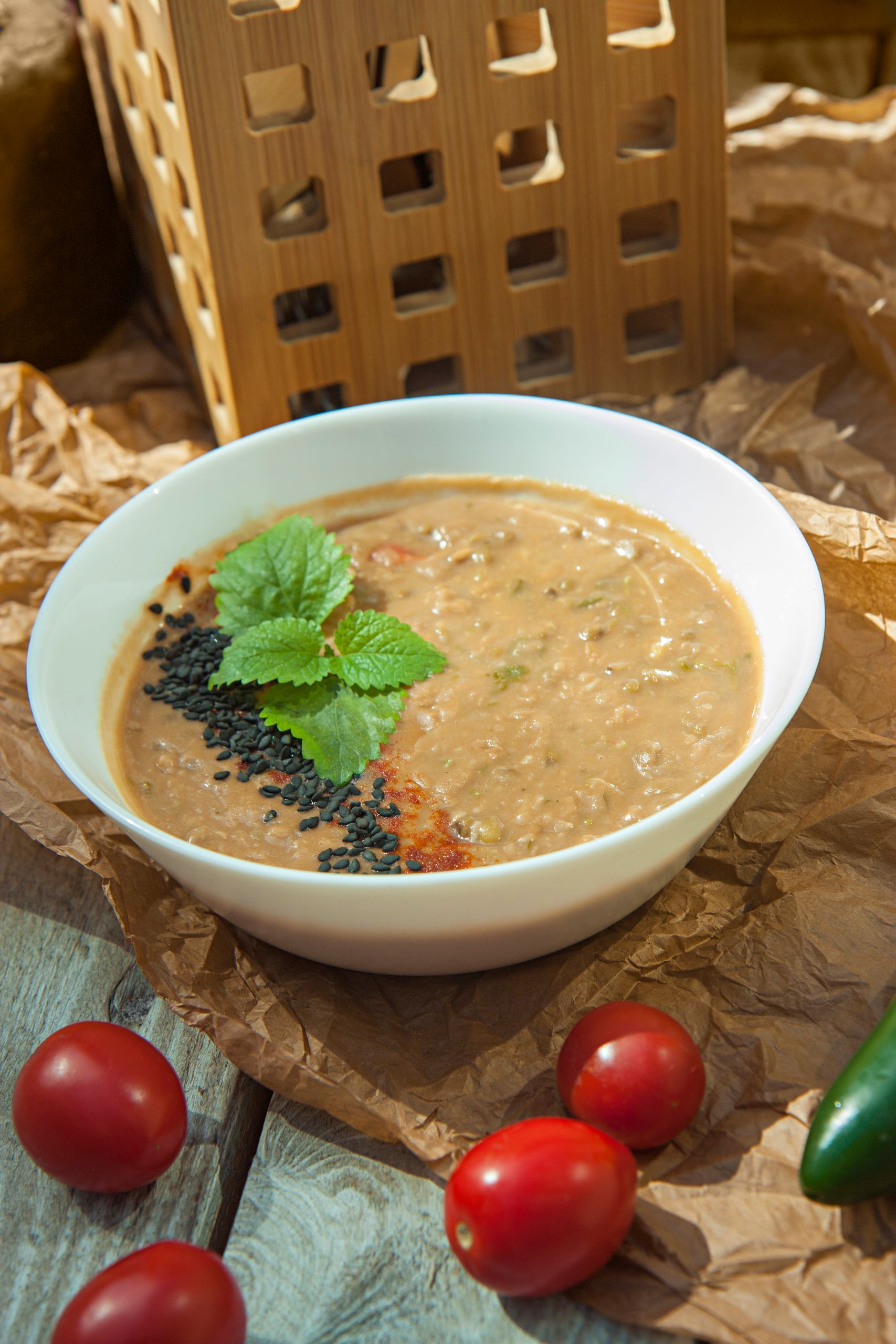
Start with our red lentil tomato soup, or another recipe with clear cooking instructions. This guide explains the storage workflow; it is not a replacement for the recipe itself.
Choose a soup that suits freezing
Lentil, bean, and smooth vegetable soups are useful starting points. Texture can change after freezing, so consider the ingredients before committing an entire batch. Potatoes may become grainier, pasta can soften, and dairy-rich soups may separate. Those changes affect quality, even when food has been handled safely.
If the recipe allows, freeze the base and add delicate greens, cooked pasta, yogurt, or crisp toppings when serving. Keep a note of what still needs adding so you do not discover a missing ingredient at dinnertime. For a blended soup, read our immersion blender versus countertop blender guide and follow your appliance’s hot-liquid instructions.
Plan portions around the meal you will eat
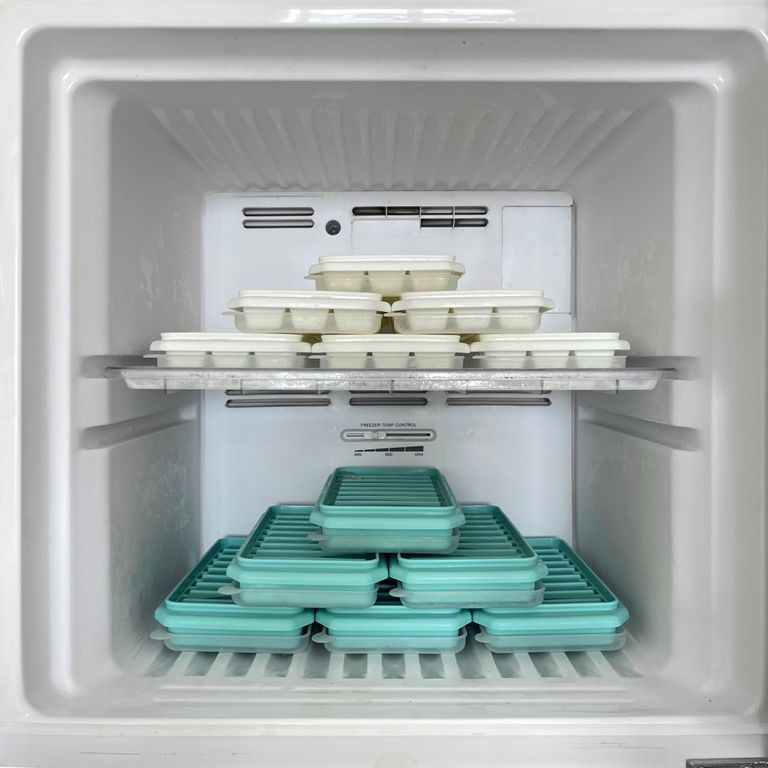
A useful portion is the amount you normally serve, with room for sides and appetite differences. Measure one serving into a bowl before choosing a container. A cup-sized freezer tray can be useful for small portions, but a single cube is not automatically a complete lunch.
Think about how you will reheat it. A shallow container is easier to manage than one large frozen block. Freezer-safe bags may save space when frozen flat on a tray, but they need careful sealing and a suitable thawing container. Rigid containers are easier to stack upright. Follow the product’s instructions and allow space for the soup to expand.
Cook, portion, chill, then freeze
- Prepare the soup: follow a reliable recipe, including instructions for cooking beans, lentils, meat, or other ingredients.
- Divide the batch: transfer it into smaller, shallow containers. Avoid leaving a large pot on the counter to cool completely.
- Chill promptly: refrigerate perishable food within two hours, or one hour above 90°F. Small containers of hot food can go directly into the refrigerator; an ice-water bath is another way to cool a batch quickly.
- Package for freezing: use freezer-suitable containers, leaving expansion space according to their instructions. If using molds, protect the food from contamination and transfer frozen portions to suitable sealed packaging.
- Label clearly: write the soup name, preparation date, portion amount, and any finishing ingredients.
These steps follow the principles in the USDA leftovers and food safety guide. Keep your refrigerator at 40°F or below and your freezer at 0°F or below.
Keep a freezer list you can read at a glance
A paper note or phone checklist is enough. Record “lentil tomato soup — 3 portions — prepared October 24 — add toast” rather than a vague entry such as “soup.” Cross off portions as you use them. Place older portions where you can find them first.
For quality, USDA recommends using frozen leftovers within 3–4 months. Food kept continuously frozen at 0°F remains safe indefinitely, but flavor and texture can decline. Freezing does not make food safe if it was handled unsafely before it entered the freezer.
Thaw safely and reheat thoroughly
Thaw in the refrigerator when you can plan ahead. Other safe methods include cold-water thawing in suitable leakproof packaging or microwave thawing; reheat immediately after those faster methods. Do not thaw soup on the kitchen counter.
Soup can also be reheated from frozen in a suitable saucepan or microwave-safe container. Add a little water or broth if needed, stir as it loosens, and check several places with a food thermometer. Reheat leftovers to 165°F; USDA also advises bringing soups, sauces, and gravies to a rolling boil. Follow appliance and container instructions, especially when using glass.
Only heat the amount you expect to eat. This keeps the rest of your supply simple to manage and avoids repeatedly warming a whole batch. For transport, use appropriate cold sources and refrigerate on arrival; our lunch packing checklist covers the rest of the bag.
Make a soup portion into a satisfying meal
Choose additions based on the soup and your appetite. Lentil soup might work with toast and fruit. A smooth vegetable soup may need a protein-containing side such as beans, yogurt, or another food you enjoy. Keep crackers, seeds, herbs, and other toppings separate until serving so their texture holds up.
You do not need to turn every bowl into a nutrition calculation. For a practical framework, read our balanced meal guide. If allergies matter, check broth, toppings, and packaged ingredients as carefully as the main recipe.
Freezer tools worth comparing
You can begin with suitable containers you already own. If you need equipment, compare soup freezer trays with lids, removable freezer labels, and instant-read food thermometers. Check freezer and reheating suitability separately: freezer-safe does not necessarily mean microwave-, oven-, or boiling-water-safe. Product suggestions are based on the task, not personal testing.
Freezer soup questions
Can I freeze soup after it has been refrigerated?
Yes, if it has been safely handled and remains within its refrigerator storage window. Freezing earlier usually gives better quality. Do not use freezing to rescue food whose storage history is uncertain.
Why is my thawed soup thicker?
Starchy ingredients can absorb liquid. Stir in a little water or broth while reheating, then taste before adjusting seasoning.
How do I stop frozen portions getting lost?
Keep one designated area for prepared meals, label every portion, and choose one older portion for the coming week. Our single-serving freezing guide offers more ideas.