Compare an immersion blender vs countertop blender for soup by batch size, hot-food handling, cleanup, and storage. Check the exact model manual.
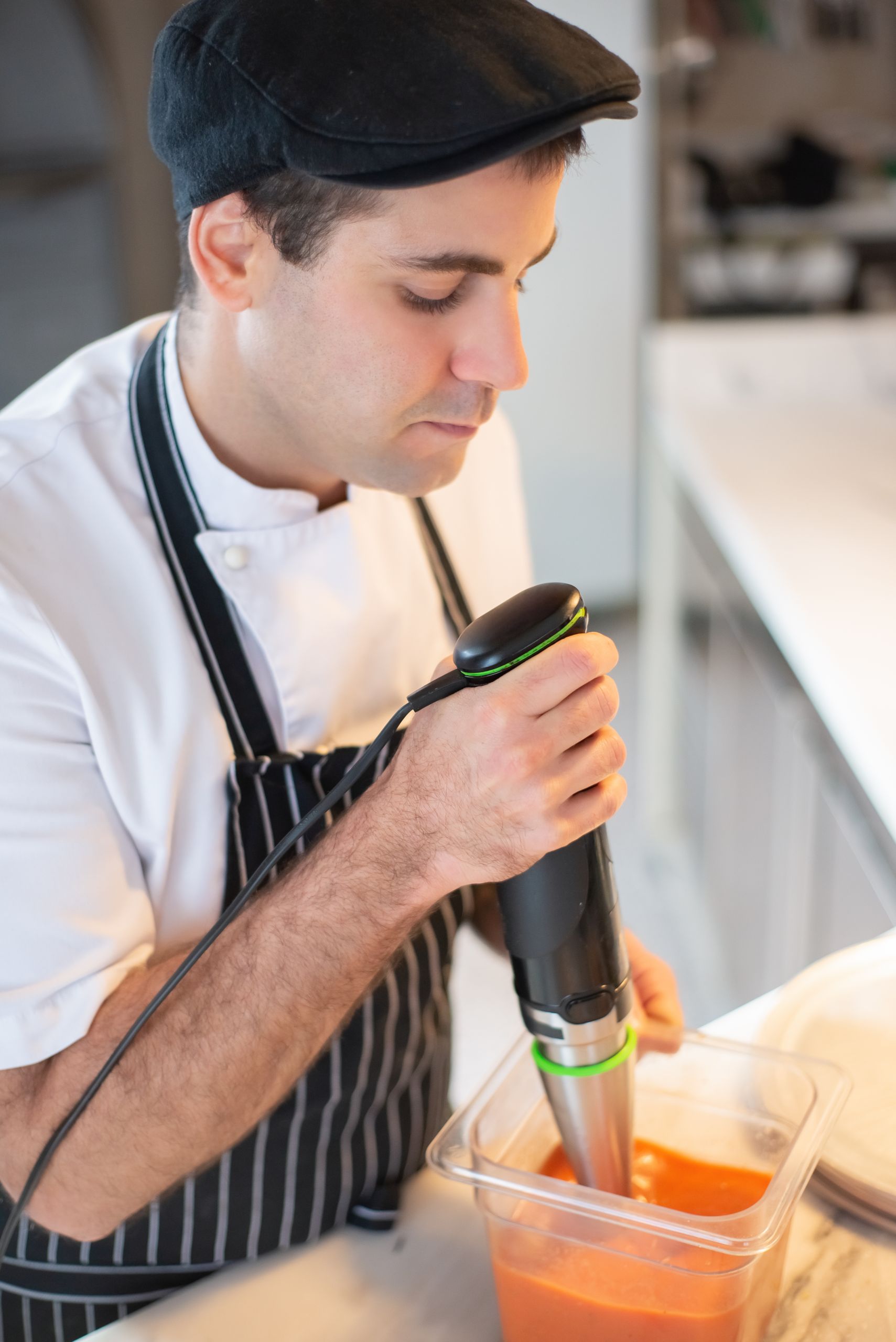
Illustrative stock photo; not a photograph of this exact recipe or a product test. Photo by Kampus Production · License.
Editorial buying guide: this article compares features and use cases, not hands-on test results or a ranked product test. Some links in this article are affiliate links; we may earn a commission from qualifying purchases. See our Affiliate Disclosure. Verify the exact model’s current manual, specifications, and price before buying.
Soup is a good starting point for choosing between a handheld immersion blender and a countertop model. Consider batch size, storage, and how you prefer to handle hot food.
Immersion blender vs countertop blender: the workflow
A suitable immersion blender can blend in an appropriate vessel, reducing transfers. A countertop blender may suit other jobs such as smoothies, but moving hot soup requires careful attention to its manual. Never assume a sealed blending cup is designed for hot liquid.
Check the vessel and fill limits
For an immersion blender, confirm required depth, compatible cookware, and whether the blade guard can damage a surface. For a countertop model, check working capacity and separate hot-liquid limits. The correct procedure depends on the exact product.
Compare cleaning
A detachable immersion shaft may be convenient, but dishwasher permissions vary. A countertop jar can have seals, blades, and lid parts requiring different care. Read cleaning directions before deciding which format is easier for you.
Think beyond one recipe
If you mostly make small soup batches and have limited storage, the handheld format may be practical. If smoothies are a daily habit, a countertop appliance may earn its space. Neither choice guarantees a particular texture without knowing the model and ingredients.
Prioritize safe handling
Unplug before handling blades as directed, avoid splashing hot food, and keep hands away from moving parts. Use only methods approved in the manufacturer’s manual. Try a small batch when learning a new tool. For related tasks, read Blender or Food Processor. This is a workflow comparison, not a brand ranking.
Compare where the food meets the blade
An immersion blender moves into an appropriate vessel, while a countertop blender uses its own jar. That difference changes transfers, minimum quantities, and cleanup. It does not establish that every handheld device can be used in every pot or that every jar can handle hot soup. Start with the exact manual and the quantity you usually make, then compare how each option fits your kitchen.
Plan hot-food handling before cooking
Check the approved liquid temperature, fill limits, venting procedure, and operating method for the exact appliance. Do not rely on a generic instruction copied from another model. A sealed personal cup must not be assumed suitable for hot ingredients. For a handheld device, check required immersion depth and compatible cookware, and avoid splashing. If the instructions are unclear, contact the manufacturer before attempting a hot-liquid task.
Think about the smallest useful batch
A full-size jar may be inconvenient when you only want to blend a small amount, while a handheld tool needs an appropriate vessel and depth to work safely. Compare working limits rather than total vessel volume. Consider the soup recipe you actually make and whether you will blend all or only part of it. Smaller test batches can help you learn the approved workflow without committing a large pot.
Choose for your other regular tasks too
If smoothies are a daily habit and soup is occasional, that pattern may influence the decision. If storage is limited, compare the shaft, motor, jar, lid, and any attachments as a complete set. Read cleaning instructions and consider safe blade handling. Avoid buying two appliances simply because they overlap in advertisements; identify the task that would remain unsolved after choosing the first one.
Compare the soup workflow
Question
What to check
Where does blending happen?
Suitable pot or approved appliance jar
How much soup?
Minimum amount and maximum working capacity
What temperature?
Exact hot-liquid instructions
How is it cleaned?
Blade, shaft, jar, and lid care
Frequently asked questions
Can I use an immersion blender in any pan?
No. Check compatible vessels, minimum depth, and surface-care instructions. A blade guard can still be unsuitable for a particular coating or container.
Can I use a countertop blender for soup?
Only as its exact manual permits, including hot-liquid temperature, fill, and venting instructions. Do not assume every jar or sealed cup is suitable.
Will either option guarantee a silky texture?
No. Results depend on the model, ingredients, quantity, and approved technique. This guide compares workflows rather than reporting hands-on performance tests.
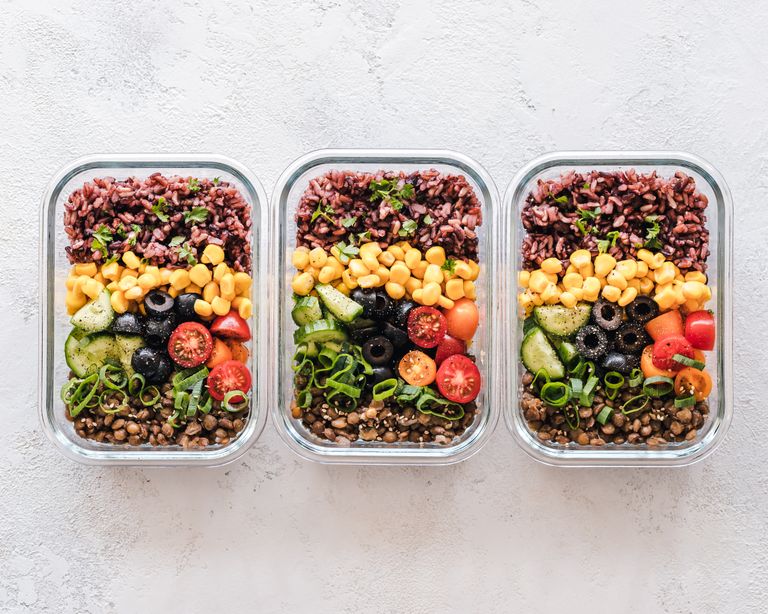
Compare glass vs plastic meal prep containers by carrying weight, size, lids, cleaning, and permitted heating. Choose for your actual routine. Illustrative stock photo; not a photograph of this exact recipe or a product test. Photo by Ella Olsson · License. In this article Glass vs plastic meal prep containers: key tradeoffs Measure before buying…
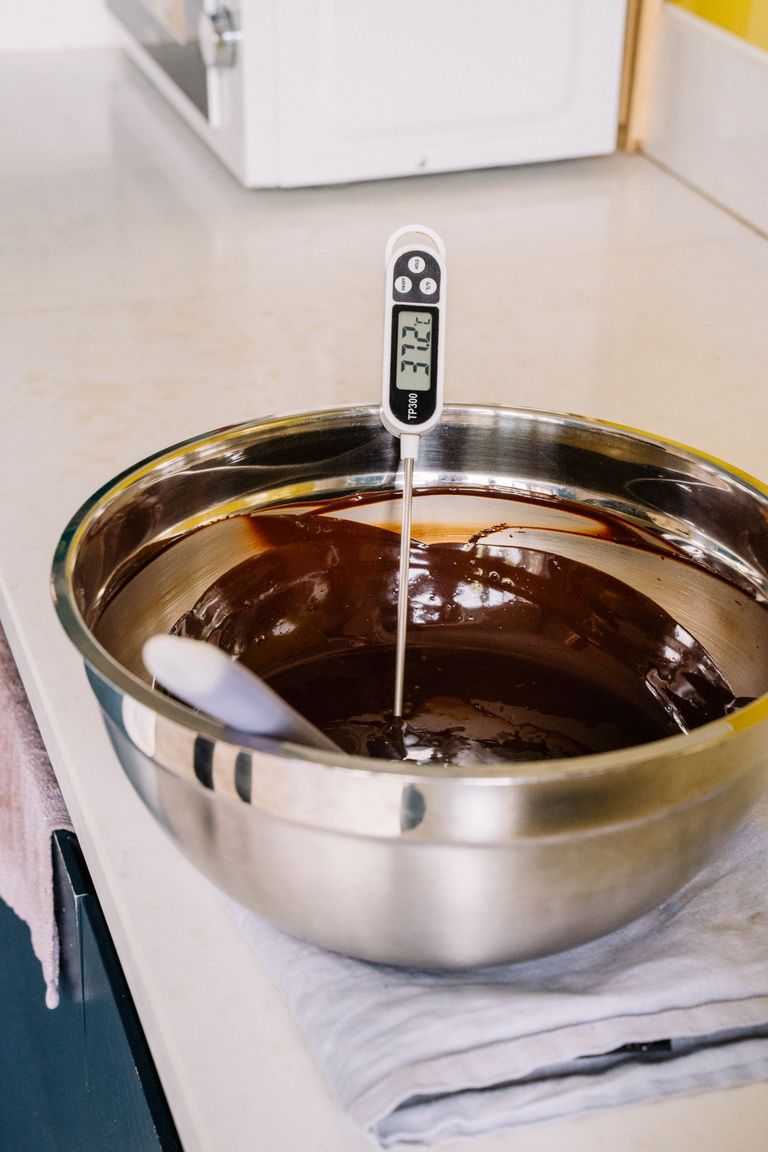
Use this food thermometer buying guide to compare probes, display readability, response specifications, cleaning, and safe use instructions. Illustrative stock photo; not a photograph of this exact recipe or a product test. Photo by Anna Tarazevich · License. In this article Food thermometer buying guide: choose for the food Compare practical features Use the reading…
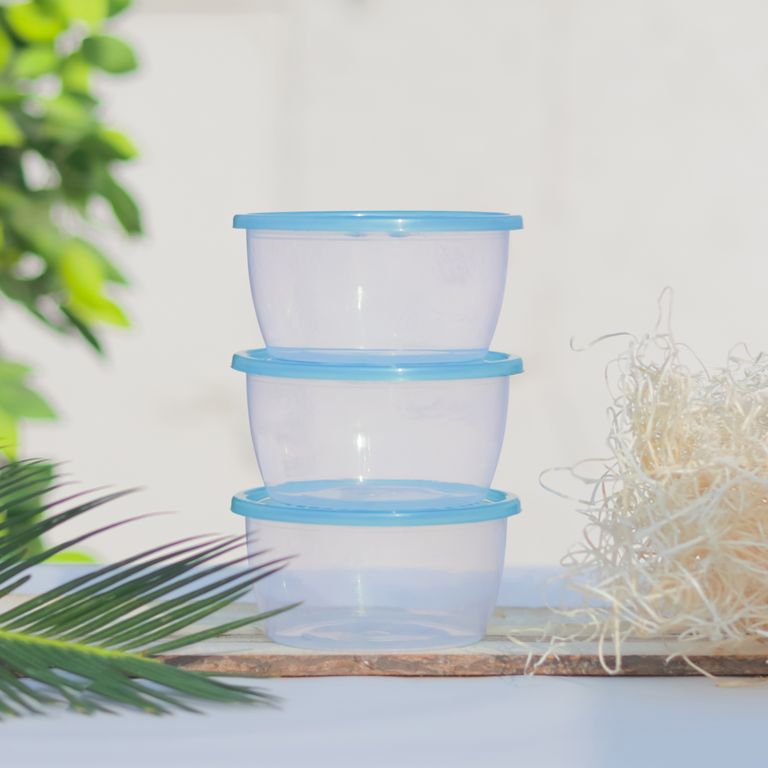
Compare meal prep container sizes and shapes for lunches, sauces, soup, and prepared ingredients. Plan a useful set without buying by piece count alone. Illustrative stock photo; not a photograph of this exact recipe or a product test. Photo by Ibrahim Plastic Industry ( IPI ) · License. In this article Count meal prep containers,…
Use this sheet pan buying guide to compare oven fit, pan size, construction, cleaning, and storage for small-batch meal prep. Illustrative stock photo; not a photograph of this exact recipe or a product test. Photo by Antoni Shkraba · License. In this article Sheet pan buying guide: measure your oven first Match size to the…
Compare ten meal prep container types and formats, from lunch boxes to sauce tubs. Check size, lid compatibility, care, and permitted uses. Illustrative stock photo; not a photograph of this exact recipe or a product test. Photo by Ello · License. In this article Meal prep container types: ten formats to compare Before buying a…
Choose meal prep kitchen essentials around two recipes. Inventory tools, plan cleanup and storage, and add appliances only for a recurring task. Illustrative stock photo; not a photograph of this exact recipe or a product test. Photo by Gu Ko · License. In this article Inventory your meal prep kitchen essentials Build around two recipes…