Make meal prep for one easier with two-serving batches, overlapping ingredients, a realistic grocery list, and single-portion freezing.
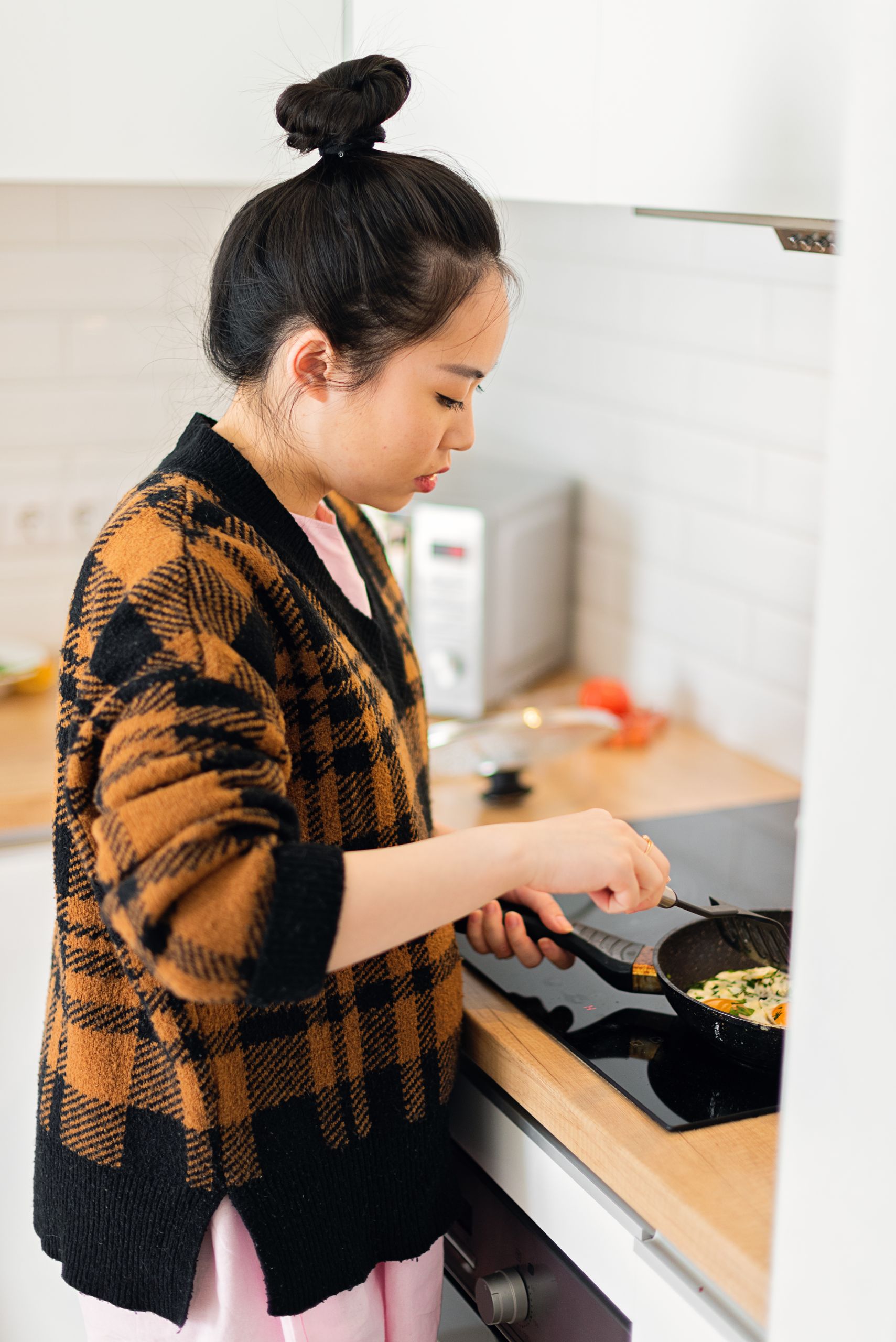
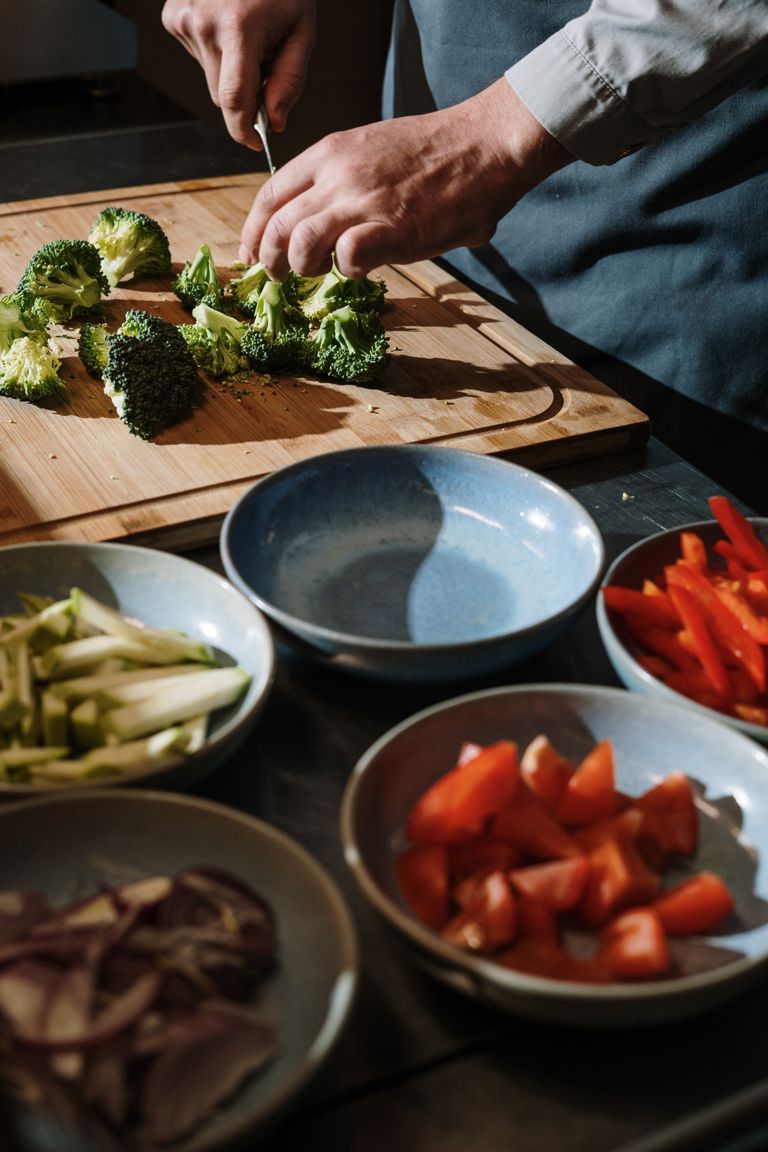
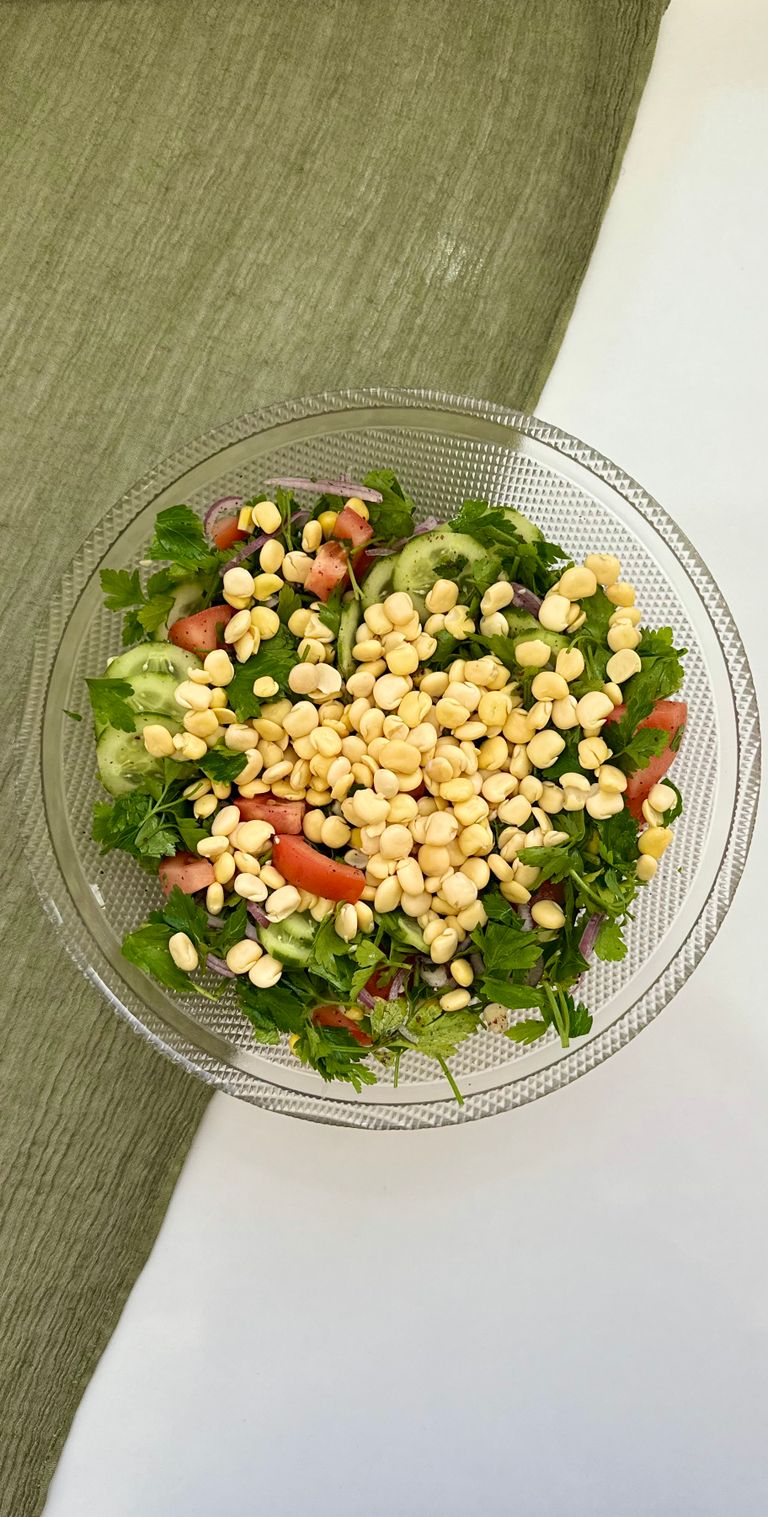
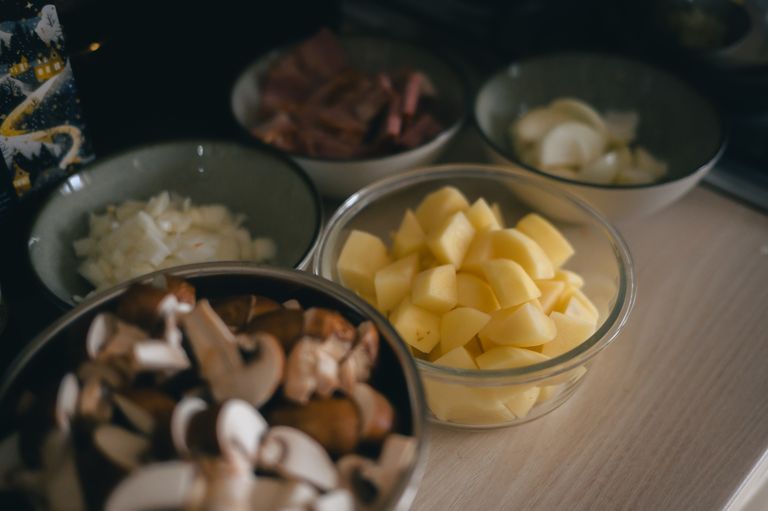
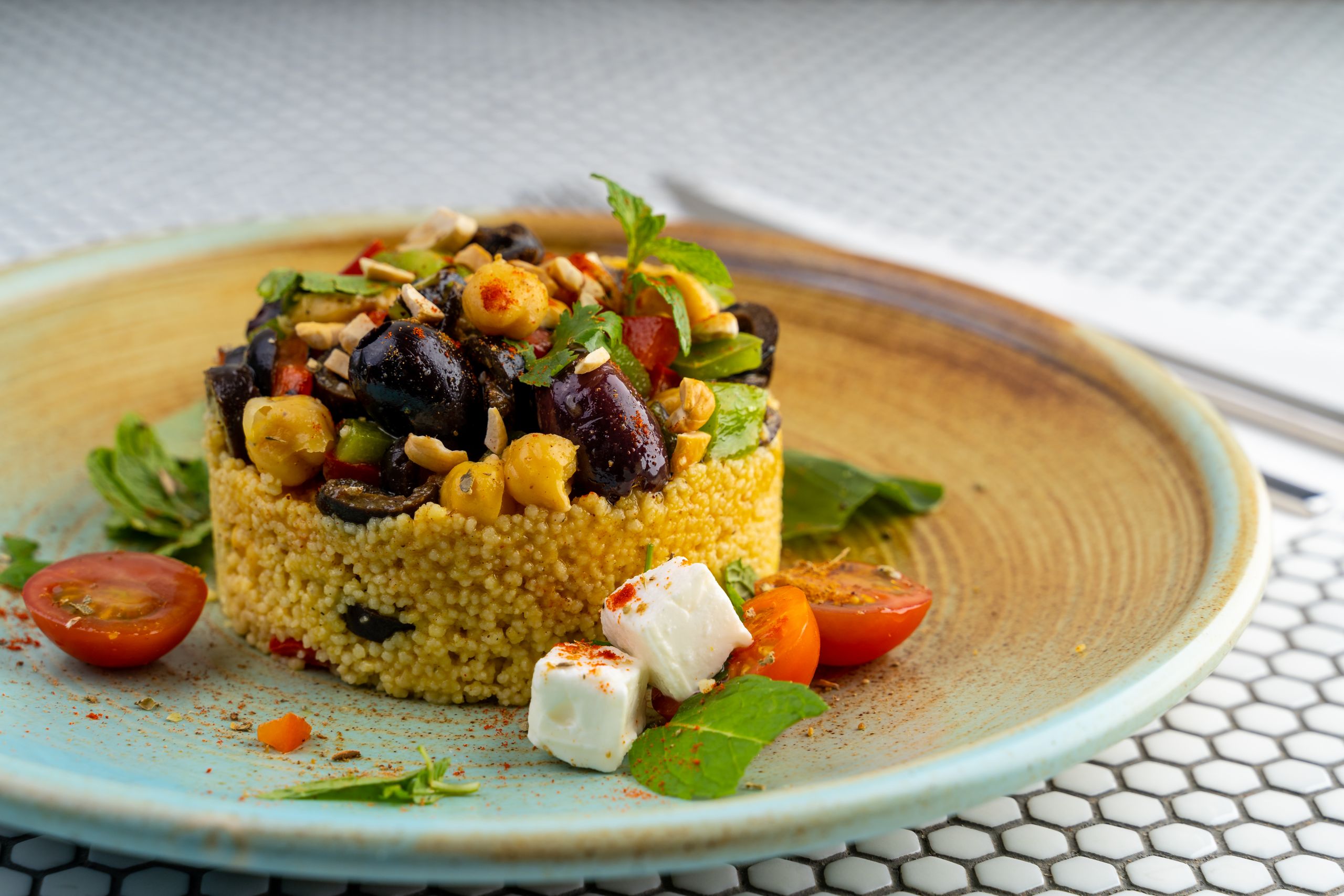
Illustrative stock photo; not a photograph of this exact recipe or a product test. Photo by Mikhail Nilov · License.
Cooking for one works best when the batch size matches your appetite and storage space. You do not need seven identical containers to make the week easier.
Start meal prep for one with two servings
Make one meal to eat now and one for a later lunch. Recipes built around canned beans or eggs are easy to scale, but check how much of each opened ingredient remains. A half-used can or bag needs a plan too.
Give each ingredient two jobs
Use cucumber in chickpea wraps and a cottage cheese bowl. Use plain yogurt in overnight oats and a dressing. Choose combinations you actually enjoy; forcing every ingredient into every dish makes meals repetitive. Keep sauces separate when possible so the same base can taste different.
Freeze deliberately
Portion soup or cooked beans into containers sized for one meal. Label the contents and date, leaving headspace for liquids. Freeze portions you will not eat within the refrigerator storage window rather than waiting until they are old. Maintain a short freezer inventory on your phone or refrigerator.
Build a realistic shopping pattern
Loose produce, small dairy tubs, and frozen vegetables can be practical even when a larger package has a lower unit price. Compare the cost of what you will use. If buying a bigger pack, decide how to divide it before checkout.
Make the next meal easy
Keep one no-cook option available for evenings when plans change. Put tomorrow’s portion where you can see it. Reheat only what you need, and check safe storage guidance: USDA leftovers and food safety. Start small and increase the batch only after you know you enjoy the meal again.
Plan portions around the days you eat at home
Cooking for one does not mean every recipe must make one portion. Two servings can cover dinner and a nearby lunch without filling the refrigerator with repetition. Count commitments before shopping: a night out or an unpredictable shift changes what you need. Write the eating day beside each portion. Freeze later meals intentionally rather than discovering too late that you prepared more than you wanted.
Choose package sizes with a second use in mind
Single-person cooking often creates leftover ingredients rather than leftover meals. An opened yogurt tub can serve breakfast and a dressing; half a pepper can go into a wrap filling or skillet. Plan those uses within the product’s storage guidance. If the second use feels forced, buy a smaller amount or choose another recipe. The cheapest large package is not automatically the best purchase for a small household.
Make the freezer easy to understand
Use a container that holds one useful meal, label it, and keep a short inventory. Include sides in the label if they are stored separately. A future lunch is easier to use when you know what it needs and how it should be thawed. Freeze food while it is still within safe handling and storage limits, and rotate older portions forward instead of burying them under new batches.
Change the experience rather than every ingredient
A cooked bean mixture can be served with toast one day and rice another, while cold toppings add a different texture. Keep sauces separate so the base stays adaptable. This does not mean a single batch should last indefinitely: observe the original storage window and freeze appropriate portions. Aim for a small set of combinations you enjoy, not an exercise in using one ingredient in every meal.
Frequently asked questions
Is meal prep for one worth the cleanup?
It can be if you prepare an extra useful serving while already cooking. Start with one recipe and measure convenience by meals eaten, not containers filled.
How can I avoid getting bored?
Prepare smaller batches and vary sides, sauces, or temperature. Freeze an extra portion early if you know you will not want the same meal again soon.
Do I need miniature cookware?
Not necessarily. Use safe equipment you own, but check that a very small quantity cooks properly in a large pan. Buy a smaller tool only for a recurring problem.
Use a simple meal prep reset when plans fall apart. Check usable food, choose an easy meal, write a short shopping list, and prepare for tomorrow. Illustrative stock photo; not a photograph of this exact recipe or a product test. Photo by cottonbro studio · License. In this article Start your meal prep reset with…
Make dense bean salad meal prep with chickpeas, white beans, edamame and lemon dressing. Includes four lunches, storage tips and easy ingredient swaps.
Try component meal prep with separate grains, vegetables, protein foods, and sauces. Includes a mini-menu and tips for storage and assembly. Illustrative stock photo; not a photograph of this exact recipe or a product test. Photo by Diana ✨ · License. In this article Choose three component meal prep building blocks Keep flavors adaptable An…
Learn how to start meal prepping with a beginner-friendly approach to choosing meals, shopping, cooking, and organizing portions. Illustrative stock photo; not a photograph of this exact recipe or a product test. Photo by Ello · License. How to Start Meal Prepping for Beginners (Step-by-Step Guide) Learn how to start meal prepping with this beginner-friendly…
Explore ten cheap meal prep ideas for beginners, then plan ingredients around your budget, servings, and schedule. A starting point for affordable meals. Cheap Meal Prep Ideas: 10 Easy Budget-Friendly Meals Looking for cheap meal prep ideas? Discover 10 easy, budget-friendly meals for beginners that can help you save money, reduce food waste, and eat…