Learn how to read nutrition labels by checking serving size, comparing equal amounts, and using Daily Value in context. Includes shopping examples.
Illustrative stock photo; not a photograph of this exact recipe or a product test. Photo by Laura James · License.
A nutrition label is a comparison tool. You do not need to evaluate every number at once; focus on the information that helps answer your actual shopping question.
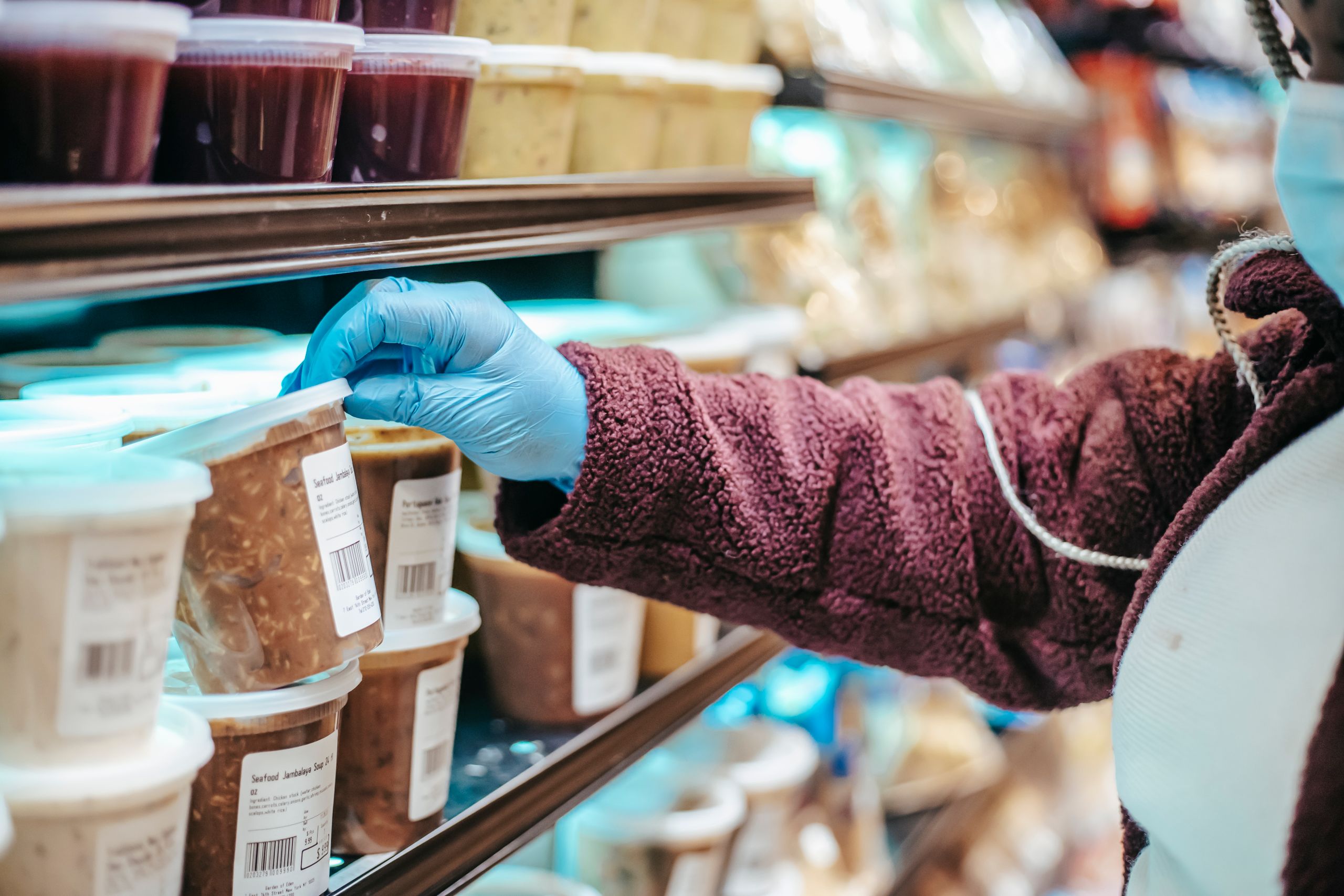
Start reading nutrition labels with the serving size
Read the stated serving size and servings per container before comparing products. If you eat two labeled servings, the listed amounts need to be multiplied by two. Serving size is not a personalized instruction about how much you should eat.
Compare similar quantities
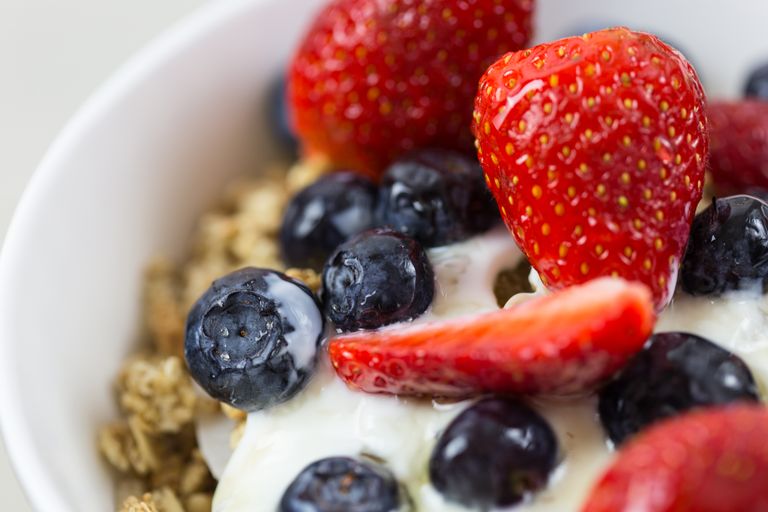
A large yogurt tub and a single cup may use different serving amounts. Compare equal weights or calculate the amount you would use. Otherwise, the product with a smaller serving can appear lower in a nutrient simply because the portion is smaller.
Choose a question
Comparing breakfasts? Look at the ingredients and the nutrients you care about across similar portions.
Monitoring sodium on professional advice? Compare sodium for the amount you plan to eat.
Choosing a product for an allergy? Read the ingredient and allergen statements, not only the nutrient table.
Use percent Daily Value as context
The percentage shows how a labeled serving contributes to a reference daily amount. It is a general reference, not a personal target. You can learn the label’s structure from the FDA explanation of Daily Value.
Put the label back into the meal
A single ingredient does not need to supply every nutrient. Consider how you will serve it and whether you enjoy it. Save a few dependable choices once you have compared them so every shopping trip does not become a research project.
General education only; this is not individualized medical or dietary advice. For needs related to a medical condition, pregnancy, medications, or disordered eating, consult a qualified clinician or registered dietitian.
Use one real package as a practice example
Choose something you buy often, such as yogurt, bread, or cereal. Locate the serving size, then identify how much you usually eat. If you use twice the labeled amount, multiply the listed values accordingly. Practice with that one package before comparing a whole aisle. This makes label reading a repeatable shopping skill rather than an attempt to memorize every nutrient and daily reference number.
Keep serving size and package size separate
A container can hold several labeled servings, even when it looks convenient to eat in one sitting. Compare products by equal amounts or by the portion you actually plan to use. If one label uses grams and another uses a different portion, do a simple conversion before deciding which has more or less of a nutrient. Otherwise the comparison may only reflect different serving definitions.
Read the ingredient list for a different kind of information
The nutrient panel summarizes amounts, while the ingredient list helps identify what the product contains. Neither replaces allergen information or specific instructions. If avoiding an ingredient for a diagnosed allergy, check the full label and relevant cross-contact statements rather than relying on a front-of-pack phrase. Contact the manufacturer or a qualified professional when an important labeling question remains unresolved.
Choose a comparison that leads to a decision
If you have been advised to monitor sodium, compare sodium for the amount you will eat. If you are choosing a baking ingredient, texture and how it behaves in the recipe also matter. There is no need to score every item as good or bad. Save the products that work so you do not repeat the entire comparison process every shopping trip.
Frequently asked questions
Does a serving size tell me what I should eat?
No. It is the amount used for the label information, not individualized portion advice. Your needs and the rest of the meal may differ.
Do I add added sugar to total sugar?
No. Added sugars are included within total sugars. The two lines describe related information, not separate amounts to add together.
Can I compare two labels without doing math?
Sometimes, when serving amounts are the same. If they differ, compare equal quantities or calculate for your intended portion before drawing a conclusion.
Understand total sugar vs added sugar on food labels. Compare yogurt, check serving sizes, and make choices that fit your meals and preferences. Illustrative stock photo; not a photograph of this exact recipe or a product test. Photo by Polina Tankilevitch · License. In this article Total sugar vs added sugar: read the two lines…
Compare dairy vs plant-based yogurt by serving size, ingredients, texture, allergens, and nutrients. Choose a product that fits the meal you make. Illustrative stock photo; not a photograph of this exact recipe or a product test. Photo by Foodie Factor · License. In this article Choose dairy or plant-based yogurt for the recipe Read beyond…
Explore carbohydrate food examples such as oats, rice, potatoes, bread, and beans. Learn how to choose ingredients and combine them in meals. Illustrative stock photo; not a photograph of this exact recipe or a product test. Photo by Dina Nasyrova · License. In this article Carbohydrate food examples to keep in your kitchen Make familiar…
Keep a food journal without counting calories to notice meal timing, packing problems, and useful routines. Includes prompts and limits to consider. Illustrative stock photo; not a photograph of this exact recipe or a product test. Photo by Nicolás Rueda · License. In this article Start a food journal with short entries Record useful context…
Find easy snack combinations using fruit, yogurt, toast, hummus, and crackers. Plan portions, portable options, and safe packing for your day. Illustrative stock photo; not a photograph of this exact recipe or a product test. Photo by RDNE Stock project · License. In this article Choose easy snack combinations for your schedule Pair foods you…
Choose protein foods for everyday meals, from beans and tofu to eggs and yogurt. Learn how to use convenient ingredients and compare supplements. Illustrative stock photo; not a photograph of this exact recipe or a product test. Photo by Mustafa Akın · License. In this article Choose protein foods you enjoy preparing Give each meal…