Use this insulated lunch bag buying guide to check container fit, cold-pack space, cleaning, and carrying comfort for packed meals.
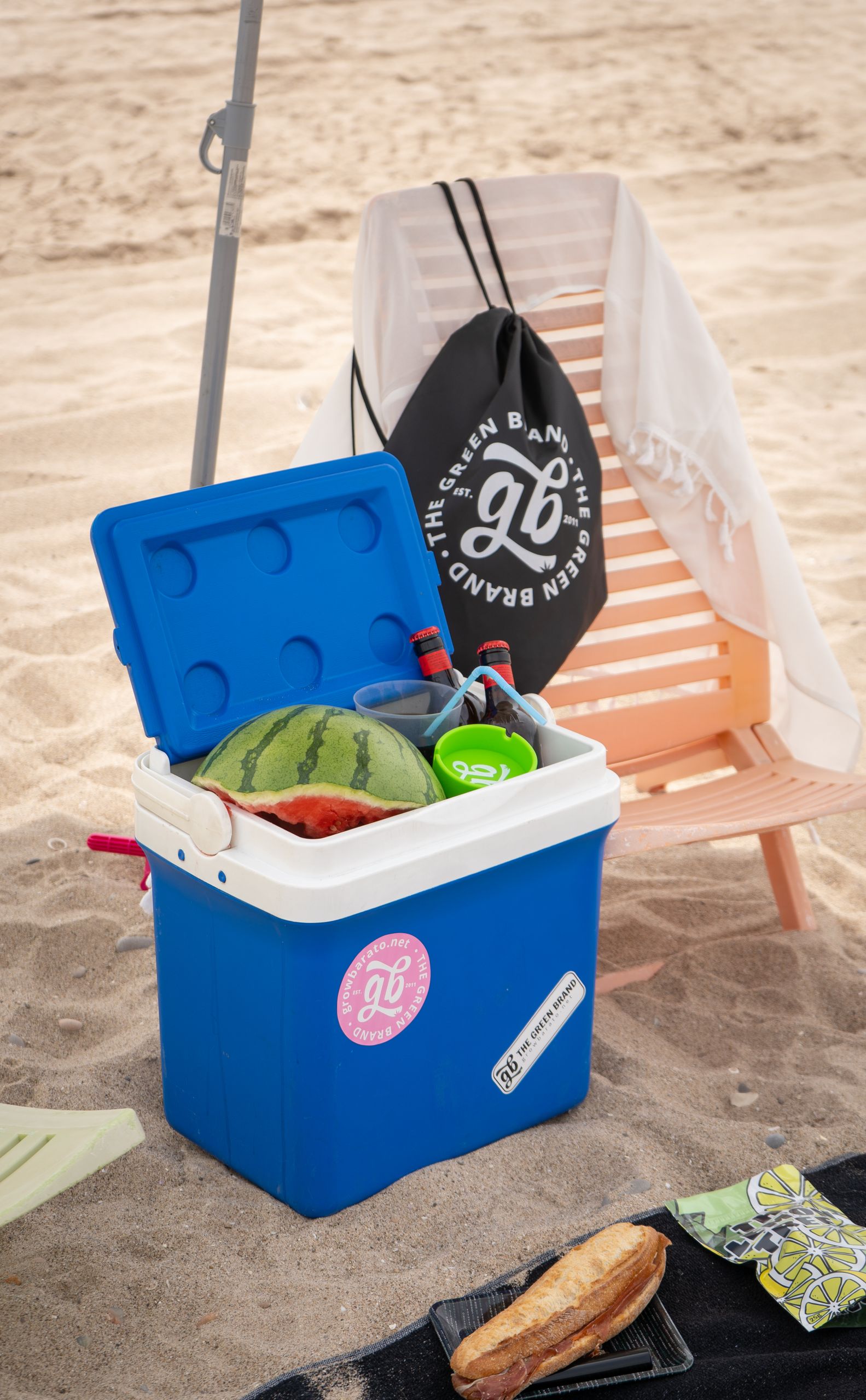
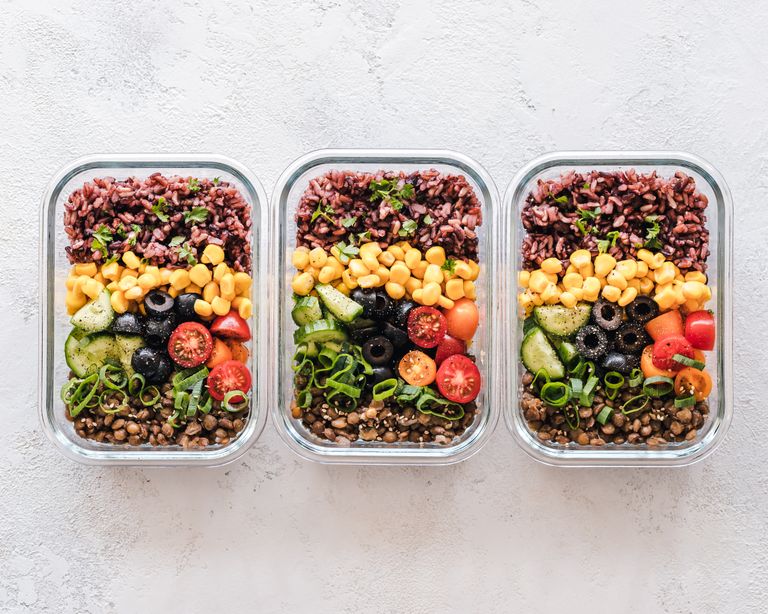
Illustrative stock photo; not a photograph of this exact recipe or a product test. Photo by GB The Green Brand · License.
Editorial buying guide: this article compares features and use cases, not hands-on test results or a ranked product test. Some links in this article are affiliate links; we may earn a commission from qualifying purchases. See our Affiliate Disclosure. Verify the exact model’s current manual, specifications, and price before buying.
A lunch bag has to carry your actual containers and help you maintain safe temperatures. An attractive exterior is secondary to fit and a realistic cooling plan.
Lunch bag buying guide: measure your packed meal
Measure your full lunch container, drink bottle, utensils, and cold packs together. Compare internal dimensions, not just the bag’s outer size. Check whether the bag can stand upright and whether the zipper opens wide enough to remove food without tipping it.
Plan temperature control
An insulated bag does not refrigerate food by itself. Use suitable cold sources and refrigerate lunch when available. The USDA bag-lunch guidance explains safe packing and cold sources. Do not rely on a general marketing promise to guarantee safe food temperature throughout your specific commute.
Check cleanup
Inspect seams, corners, and the lining. Can you remove spilled dressing easily? Is the lining wipe-clean, removable, or washable according to the instructions? Let the bag dry thoroughly after cleaning and check cold packs for damage.
Consider how you carry it
A shoulder strap may help on a longer walk, while a compact handle may fit better inside another bag. Check the loaded weight and whether bottles press against fragile containers. Separate pockets can prevent utensils from scratching lids.
Choose the smallest useful size
A huge bag can be awkward if you pack one meal, but an overfilled small bag leaves no space for cold packs. Test your normal load at home within the retailer’s return terms. This guide does not certify any particular bag’s cooling performance.
Build a test load from your real lunch
Put your meal container, bottle, utensil, napkin, and cold sources together before comparing bags. Check the bag’s internal dimensions and opening shape. A wide container may fit the listed volume but not pass comfortably through a narrow zipper. Think about whether the meal must remain upright. Fit is more useful than a claim that the bag holds a certain number of cans or generic lunch boxes.
Plan cooling as a separate requirement
An insulated bag slows heat transfer but does not chill food by itself. Choose a safe packing method for the perishables you carry and use refrigeration when available. The route, weather, amount of food, and cold sources influence the result. Do not treat a broad hours-cold marketing statement as proof for your exact meal. Follow authoritative bag-lunch guidance and avoid storing the bag in a hot vehicle.
Inspect the parts that get dirty
Dressings can collect in seams and crumbs can hide in corners. Check whether the lining is wipe-clean or washable and whether separate pockets are easy to access. Follow washing and drying instructions, and let the bag dry thoroughly before closing it. A bag that looks clean outside may still be awkward to maintain inside. Inspect cold packs and containers for damage as part of the same routine.
Compare carrying comfort with the bag loaded
Check the handle, strap, weight, and how the bag sits beside other things you carry. A rigid design can protect food but take more room; a flexible bag may be easier to store but less supportive. There is no universal winner. Choose the smallest arrangement that accommodates food and cooling safely without squeezing lids open or forcing bottles against a fragile container.
Check the complete lunch setup
Need
Practical check
Container fit
Internal dimensions and zipper opening
Cooling
Space for suitable cold sources
Cleaning
Accessible lining, seams, and corners
Travel
Loaded weight and carrying comfort
Frequently asked questions
Can an insulated bag replace cold packs?
Not for a general perishable-food plan. Insulation alone does not create refrigeration. Choose suitable cold sources and follow safe packing guidance.
Is a bigger bag always better?
No. Extra space can be inconvenient, while an overfilled small bag leaves no room for cooling. Test your actual load instead of buying by capacity alone.
What if the bag is difficult to wash?
Consider whether you can maintain it according to instructions. Easy, realistic cleaning is part of the purchase decision, particularly if you carry sauces or loose snacks.
Use this food thermometer buying guide to compare probes, display readability, response specifications, cleaning, and safe use instructions. Illustrative stock photo; not a photograph of this exact recipe or a product test. Photo by Anna Tarazevich · License. In this article Food thermometer buying guide: choose for the food Compare practical features Use the reading…
Compare blender vs food processor tasks, batch sizes, cleanup, storage, and attachment compatibility before choosing a kitchen appliance. Illustrative stock photo; not a photograph of this exact recipe or a product test. Photo by Lisa Fotios · License. In this article Blender vs food processor: match the tool to the task Look at capacity realistically…
Use this sheet pan buying guide to compare oven fit, pan size, construction, cleaning, and storage for small-batch meal prep. Illustrative stock photo; not a photograph of this exact recipe or a product test. Photo by Antoni Shkraba · License. In this article Sheet pan buying guide: measure your oven first Match size to the…
Compare glass vs plastic meal prep containers by carrying weight, size, lids, cleaning, and permitted heating. Choose for your actual routine. Illustrative stock photo; not a photograph of this exact recipe or a product test. Photo by Ella Olsson · License. In this article Glass vs plastic meal prep containers: key tradeoffs Measure before buying…
Use this kitchen scale buying guide to compare capacity, display readability, tare controls, units, cleaning, and power before purchasing. Illustrative stock photo; not a photograph of this exact recipe or a product test. Photo by Bimbim Sindu · License. In this article Kitchen scale buying guide: features to compare Understand the specification Think about your…
Compare ten meal prep container types and formats, from lunch boxes to sauce tubs. Check size, lid compatibility, care, and permitted uses. Illustrative stock photo; not a photograph of this exact recipe or a product test. Photo by Ello · License. In this article Meal prep container types: ten formats to compare Before buying a…