10 Meal Prep Container Types and Formats to Compare
Compare ten meal prep container types and formats, from lunch boxes to sauce tubs. Check size, lid compatibility, care, and permitted uses.

Editorial buying guide: this article compares features and use cases, not hands-on test results or a ranked product test. Some links elsewhere on Home Gym Eats are affiliate links; we may earn a commission from qualifying purchases. See our Affiliate Disclosure. Verify the exact model’s current manual, specifications, and price before buying.
Meal prep containers work best when their shape, lid, and care instructions match the meals you cook. This guide covers ten useful formats to consider. It does not rank brands or report laboratory or hands-on testing.
Meal prep container types: ten formats to compare
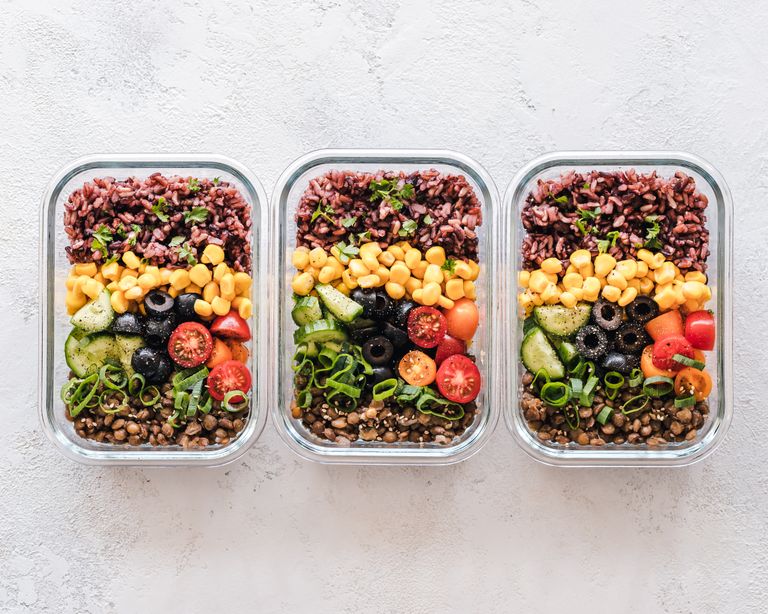
- Wide single-compartment lunch box: room to mix grains, vegetables, and dressing.
- Divided lunch box: useful when you prefer components separate; check compartment dimensions.
- Small sauce container: keeps wet toppings separate from crisp ingredients.
- Shallow soup portion: choose a lid designed for liquids and check freezer instructions.
- Breakfast jar: useful for oats, but check mouth width and cleaning access.
- Lightweight transport box: compare loaded weight and fit in your lunch bag.
- Glass storage dish: check the exact product’s permitted heating and temperature transitions.
- Freezer container: use freezer-labeled packaging and leave expansion space.
- Stackable refrigerator box: check stability and whether you can see the contents.
- Large component container: useful for prepared ingredients, but portion food shallowly for prompt cooling.
Before buying a set
Measure your refrigerator shelf, microwave, lunch bag, and storage cupboard. Compare external dimensions and usable volume. Count actual containers rather than lids and bases marketed as separate pieces. Check replacement-lid availability, whether seals come apart for cleaning, and the instructions for dishwasher use.
Material and heating instructions
The base and lid may have different limits. Use the exact manufacturer’s instructions for microwaving, venting, freezing, and oven use. Do not assume every plastic container can be microwaved or every glass dish can go straight from freezer to oven. Inspect for damage and follow replacement guidance. Read Pyrex’s official care FAQ as an example of product-specific guidance.
Existing affiliate shopping links
We may earn a commission from qualifying purchases through the links in this section. These links were already on Home Gym Eats. They are shopping starting points, not a verified current ranking. Check the destination listing, exact model, price, dimensions, and manual before purchase.
- Rubbermaid Brilliance options
- Freshware options
- Pyrex Simply Store options
- Bentgo glass container options
- M MCIRCO options
Keep the system manageable
Start with enough containers for your next few meals, label preparation dates, and wash lids and seals carefully. Buy additional sizes only when you know the task they will serve. Continue with our container size guide and meal prep library.