Compare glass vs plastic meal prep containers by carrying weight, size, lids, cleaning, and permitted heating. Choose for your actual routine.
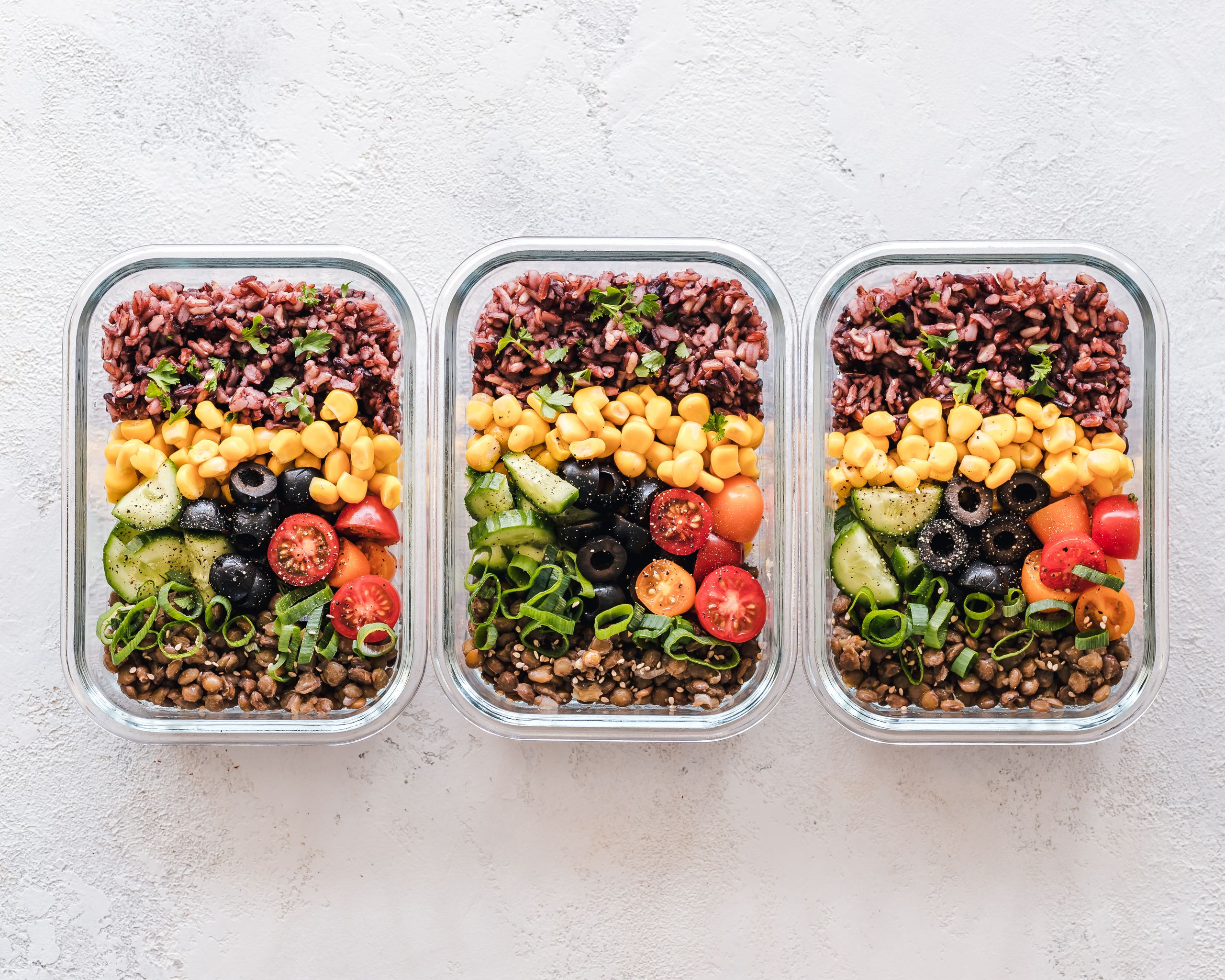
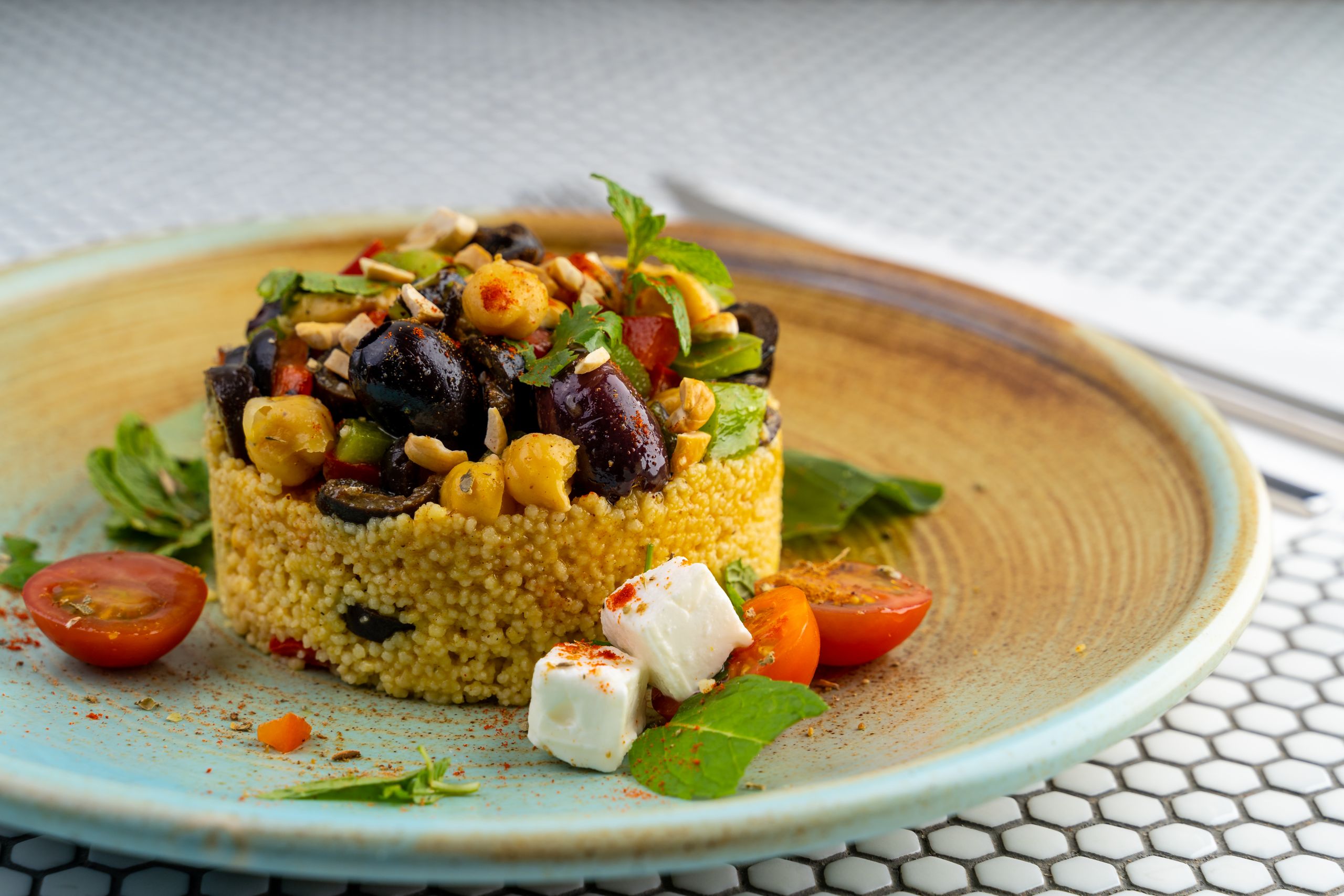
Illustrative stock photo; not a photograph of this exact recipe or a product test. Photo by Ella Olsson · License.
Editorial buying guide: this article compares features and use cases, not hands-on test results or a ranked product test. Some links elsewhere on Home Gym Eats are affiliate links; we may earn a commission from qualifying purchases. See our Affiliate Disclosure. Verify the exact model’s current manual, specifications, and price before buying.
The right container depends on where you eat, how you reheat, and how much weight you want to carry. Start with your actual lunch routine rather than buying the largest matching set.
Glass vs plastic meal prep containers: key tradeoffs
Question
Glass
Plastic
Daily carrying
Often heavier; check loaded weight.
Often lighter; inspect lid fit.
Visibility
Usually easy to see contents.
Clarity varies by material and wear.
Heating
Use only as the exact product permits.
Check microwave labeling and lid instructions.
Measure before buying
Measure the refrigerator shelf, lunch bag, and microwave space. Check external dimensions, not just advertised volume. A deep container may hold enough food but be awkward to eat from or slow to cool compared with shallow portions.
Treat lids as separate parts
A base and lid may have different heat limits. A product described as oven-safe may refer only to its base. Check whether seals are removable for cleaning and whether replacement lids are available for that exact generation.
Inspect the care instructions
Follow the manufacturer’s directions for temperature changes, heating, washing, and damaged containers. Glass can break, and a general material label does not guarantee suitability for every use. Pyrex’s care FAQ illustrates why product-specific instructions matter.
Start with a small set
Try two meal-size containers and one small sauce container before expanding. Check for leaks with water over a sink, then test whether the set fits your bag and dishwasher. Buy more only after the shape proves useful.
Map the trip from kitchen to lunch
Write down each stage: preparation, cooling, storage, carrying, heating, and cleaning. A container must be suitable for the stages in which it will actually be used. Glass might suit one part of the routine while a lighter box suits another. Material alone does not establish lid performance, break resistance, or appliance suitability. Choose a specific product for a specific route rather than expecting one format to solve every task.
Check how the lid and seal work
Look for clear instructions about removing seals, cleaning corners, and venting during heating where permitted. A base that fits well is less useful if the lid is difficult to open or replace. Confirm replacement-part compatibility by model, not appearance. If carrying liquids, test a new container with water over a sink before trusting it with soup inside a work bag. That is a personal fit check, not a certification.
Compare the complete loaded setup
An empty container can feel manageable until you add food, a drink, and cold packs. Check the loaded bag and the shelf space it needs. If you walk or cycle, weight may influence the choice more than it would for meals eaten at home. A mixed set can be practical, but avoid adding so many lid styles that storage and cleaning become difficult.
Make care part of the buying decision
Read the exact instructions before using a container in an oven, freezer, microwave, or dishwasher. Base and lid limits may differ. Inspect for damage and follow the manufacturer’s replacement advice. Avoid assumptions about direct temperature transitions, especially with glass. A product that requires a care routine you will not follow is a poor fit even if its other features look appealing.
A practical comparison checklist
Your question
What to check
Will it fit lunch?
External dimensions and usable shape
Will it travel?
Loaded weight, lid closure, bag fit
Can I heat in it?
Exact appliance and lid instructions
Can I keep it clean?
Seal access and permitted washing method
Frequently asked questions
Is glass always the better option?
No. Carrying weight, permitted uses, lid design, and your routine all matter. The material comparison is a starting point rather than a universal ranking.
Does microwave-safe mean oven-safe?
No. These are different permissions. Check the instructions for the exact base and lid and the temperature transitions you plan to use.
Should I replace every container at once?
Usually you can first identify a missing function and try a small set. Keep safe, suitable equipment that still works for the task.
Use this kitchen scale buying guide to compare capacity, display readability, tare controls, units, cleaning, and power before purchasing. Illustrative stock photo; not a photograph of this exact recipe or a product test. Photo by Bimbim Sindu · License. In this article Kitchen scale buying guide: features to compare Understand the specification Think about your…
Use this food thermometer buying guide to compare probes, display readability, response specifications, cleaning, and safe use instructions. Illustrative stock photo; not a photograph of this exact recipe or a product test. Photo by Anna Tarazevich · License. In this article Food thermometer buying guide: choose for the food Compare practical features Use the reading…
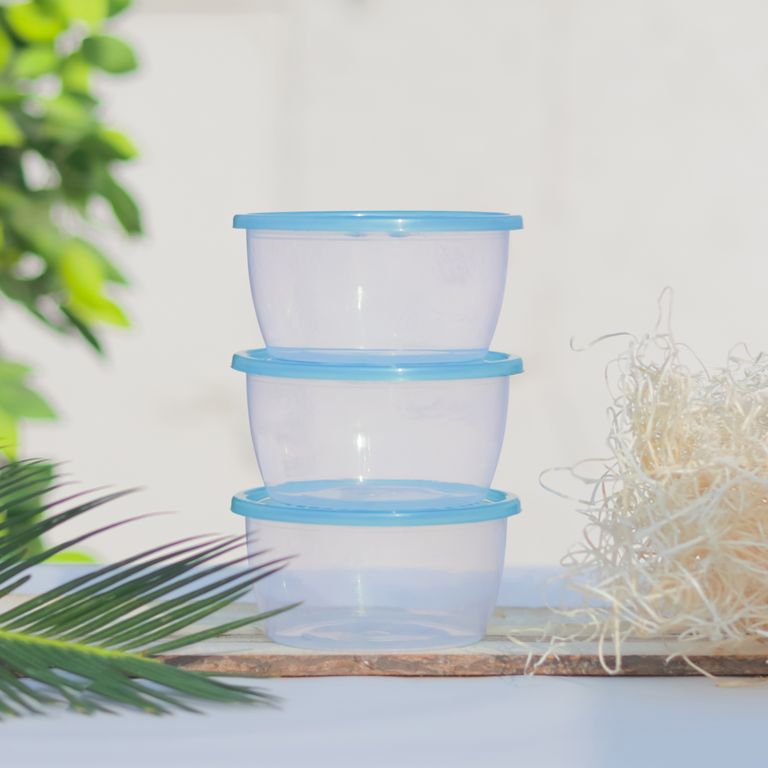
Compare meal prep container sizes and shapes for lunches, sauces, soup, and prepared ingredients. Plan a useful set without buying by piece count alone. Illustrative stock photo; not a photograph of this exact recipe or a product test. Photo by Ibrahim Plastic Industry ( IPI ) · License. In this article Count meal prep containers,…
Use this insulated lunch bag buying guide to check container fit, cold-pack space, cleaning, and carrying comfort for packed meals. Illustrative stock photo; not a photograph of this exact recipe or a product test. Photo by GB The Green Brand · License. In this article Lunch bag buying guide: measure your packed meal Plan temperature…
Compare an immersion blender vs countertop blender for soup by batch size, hot-food handling, cleanup, and storage. Check the exact model manual. Illustrative stock photo; not a photograph of this exact recipe or a product test. Photo by Kampus Production · License. In this article Immersion blender vs countertop blender: the workflow Check the vessel…
Compare ten meal prep container types and formats, from lunch boxes to sauce tubs. Check size, lid compatibility, care, and permitted uses. Illustrative stock photo; not a photograph of this exact recipe or a product test. Photo by Ello · License. In this article Meal prep container types: ten formats to compare Before buying a…