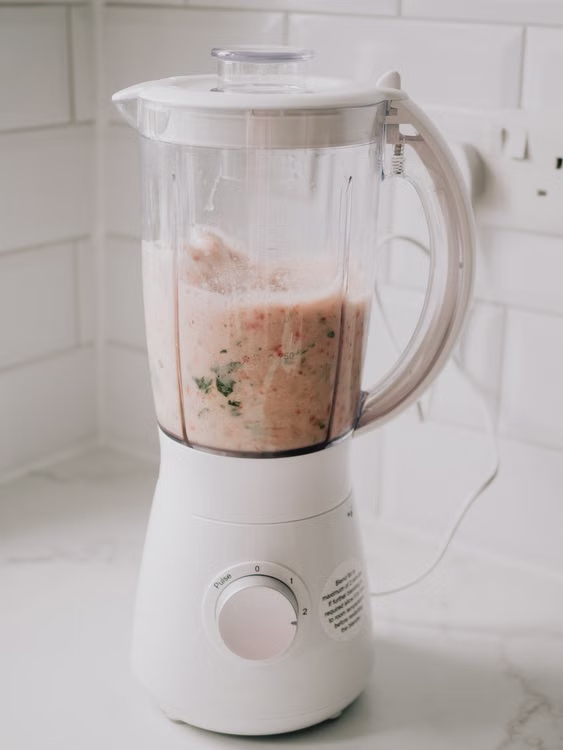
Compare blender vs food processor tasks, batch sizes, cleanup, storage, and attachment compatibility before choosing a kitchen appliance.
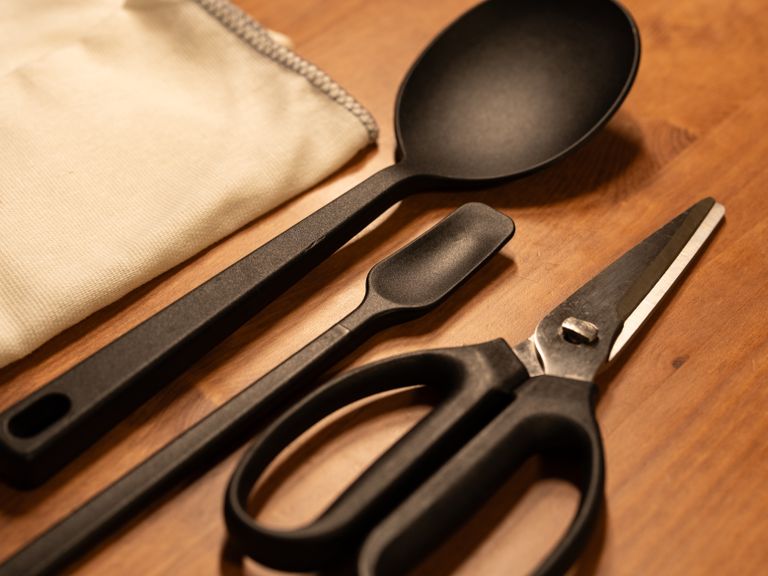
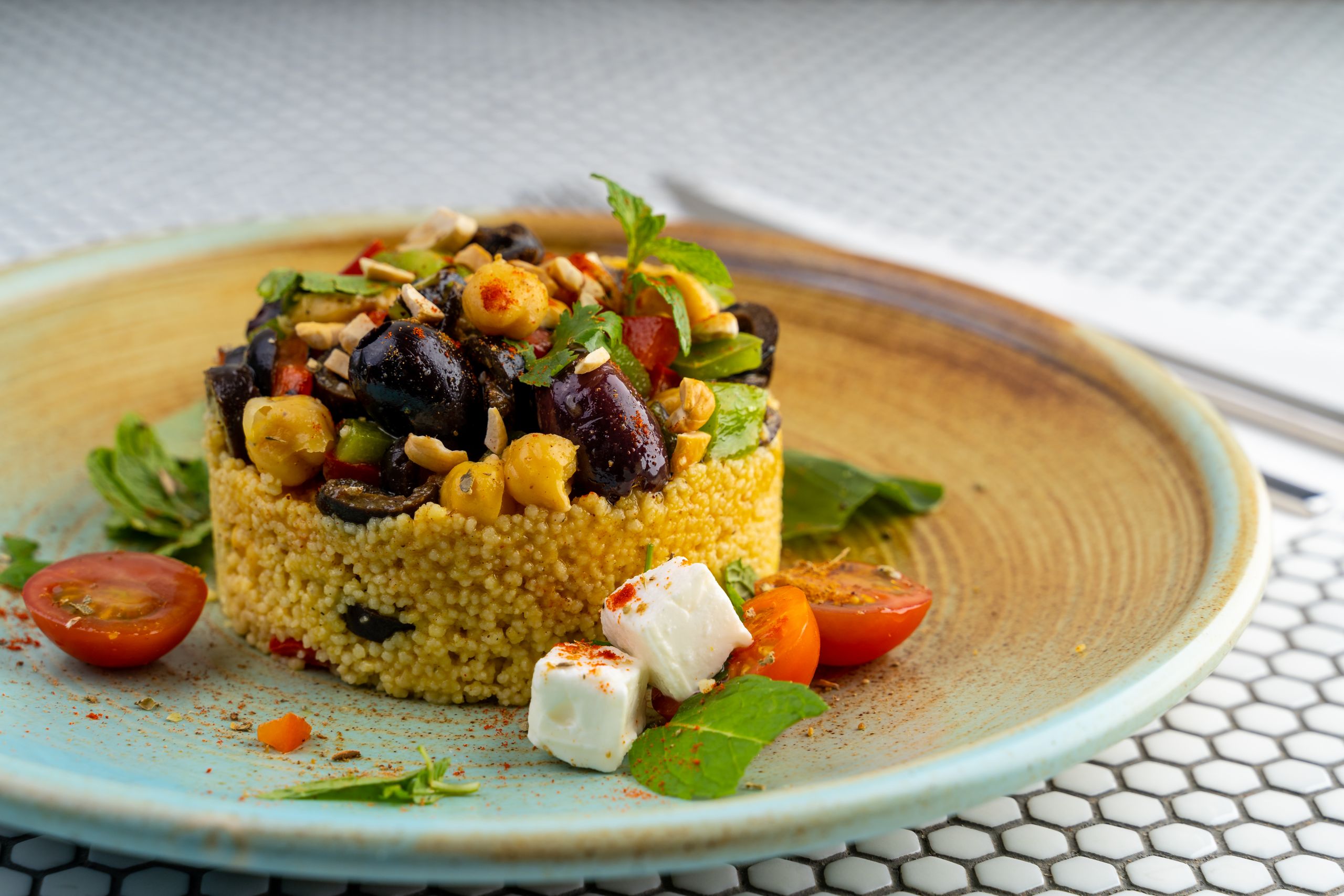
Illustrative stock photo; not a photograph of this exact recipe or a product test. Photo by Lisa Fotios · License.
Editorial buying guide: this article compares features and use cases, not hands-on test results or a ranked product test. Some links in this article are affiliate links; we may earn a commission from qualifying purchases. See our Affiliate Disclosure. Verify the exact model’s current manual, specifications, and price before buying.
These appliances overlap, but the best choice starts with the recipes you make most often. Write down your three main tasks before comparing machines.
Blender vs food processor: match the tool to the task
Smoothies, pourable sauces, and pureed soups lead many cooks toward a blender. Chopping, slicing, and shredding may lead toward a food processor with suitable attachments. Capability varies by model; check the manual for the exact task and batch size.
Look at capacity realistically
A large jar is not always convenient for a small dressing. A compact bowl may need several batches for a family meal. Check minimum and maximum fill guidance, including any separate limits for hot ingredients. Advertised vessel size is not always the safe working capacity.
Compare cleanup and storage
Count the parts you will wash after your usual recipe. Check whether blades or seals need special care and which parts are dishwasher-safe. Measure the machine with its lid fitted and leave room to lift the container out from under cabinets.
Do not assume an attachment fits
Systems with optional attachments can be useful, but compatibility depends on the base and generation. For example, Vitamix lists food-processing systems and attachments. Verify the manufacturer’s compatibility information rather than relying on a similar appearance.
Use safely
Follow the exact manual for hot liquids, blade handling, filling, and cleaning. Never assume a sealed personal blending cup is suitable for hot food. Unplug before handling removable blades as directed. If you only make one occasional recipe, consider whether your existing tools already do the job well enough.
List three tasks before comparing appliances
Write down what you will make most often and the usual quantity. Smoothies, a pourable dressing, and shredded vegetables do not all place the same demands on a machine. Rank the tasks by frequency. This makes the decision more concrete than comparing broad claims about versatility. A tool that handles your main task comfortably may be more useful than one with many attachments for jobs you rarely do.
Check working quantities rather than vessel volume
A jar or bowl’s total volume does not always equal its usable capacity for a particular food. Look for minimum amounts, maximum fill lines, and separate instructions for hot ingredients. A large vessel can be inconvenient for a tiny dressing, while a compact bowl may require repeated batches. The product manual is the appropriate source for what the exact machine permits; do not generalize from another model in the same brand.
Count the cleanup and storage steps
List the parts you need for your typical recipe, where they will be washed, and where they will dry. Check dishwasher permissions separately for lids, blades, seals, and containers. Measure under-cabinet clearance and leave space to lift off the vessel. Attachments add capability but also storage and handling. If setting up the machine takes longer than your usual preparation task, you may use it less often than expected.
Compare systems carefully before buying attachments
Check the exact model and generation of a base before buying an accessory. Similar names or appearances do not establish compatibility. Consider the complete price of the parts needed for your main tasks, replacement availability, and warranty information. Avoid buying an attachment because it might be useful someday. Start with a job you already repeat and verify that the system can perform it safely at the quantity you need.
Match the question to the specification
Your task
Check before purchase
Small dressing
Minimum effective quantity
Soup
Approved hot-liquid procedure
Slicing vegetables
Compatible cutting attachments
Daily use
Cleaning and storage workflow
Frequently asked questions
Can a blender replace every food processor task?
No universal answer applies across models. Check the exact manual for chopping, slicing, shredding, and batch requirements rather than assuming the categories are interchangeable.
Does a more powerful motor guarantee better results?
A single specification does not describe the whole appliance. Vessel design, approved tasks, quantities, controls, and usability also matter.
Can I blend hot soup in any jar?
No. Follow the exact manual and never assume a sealed personal blending cup is suitable for hot liquids. Use only an approved method and container.
Use this sheet pan buying guide to compare oven fit, pan size, construction, cleaning, and storage for small-batch meal prep. Illustrative stock photo; not a photograph of this exact recipe or a product test. Photo by Antoni Shkraba · License. In this article Sheet pan buying guide: measure your oven first Match size to the…
Use this kitchen scale buying guide to compare capacity, display readability, tare controls, units, cleaning, and power before purchasing. Illustrative stock photo; not a photograph of this exact recipe or a product test. Photo by Bimbim Sindu · License. In this article Kitchen scale buying guide: features to compare Understand the specification Think about your…
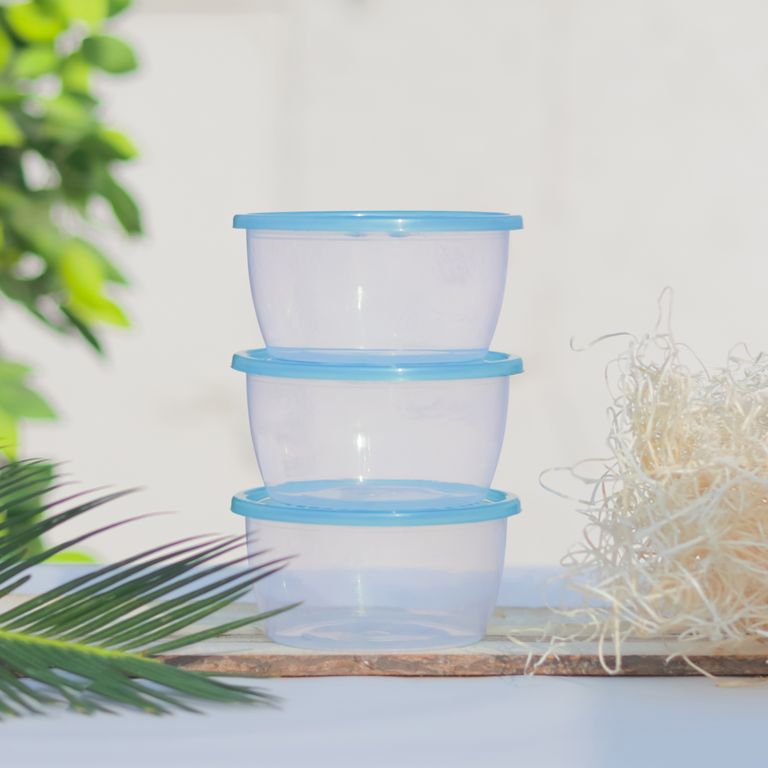
Compare meal prep container sizes and shapes for lunches, sauces, soup, and prepared ingredients. Plan a useful set without buying by piece count alone. Illustrative stock photo; not a photograph of this exact recipe or a product test. Photo by Ibrahim Plastic Industry ( IPI ) · License. In this article Count meal prep containers,…
Use this insulated lunch bag buying guide to check container fit, cold-pack space, cleaning, and carrying comfort for packed meals. Illustrative stock photo; not a photograph of this exact recipe or a product test. Photo by GB The Green Brand · License. In this article Lunch bag buying guide: measure your packed meal Plan temperature…
Compare ten meal prep container types and formats, from lunch boxes to sauce tubs. Check size, lid compatibility, care, and permitted uses. Illustrative stock photo; not a photograph of this exact recipe or a product test. Photo by Ello · License. In this article Meal prep container types: ten formats to compare Before buying a…
Choose meal prep kitchen essentials around two recipes. Inventory tools, plan cleanup and storage, and add appliances only for a recurring task. Illustrative stock photo; not a photograph of this exact recipe or a product test. Photo by Gu Ko · License. In this article Inventory your meal prep kitchen essentials Build around two recipes…