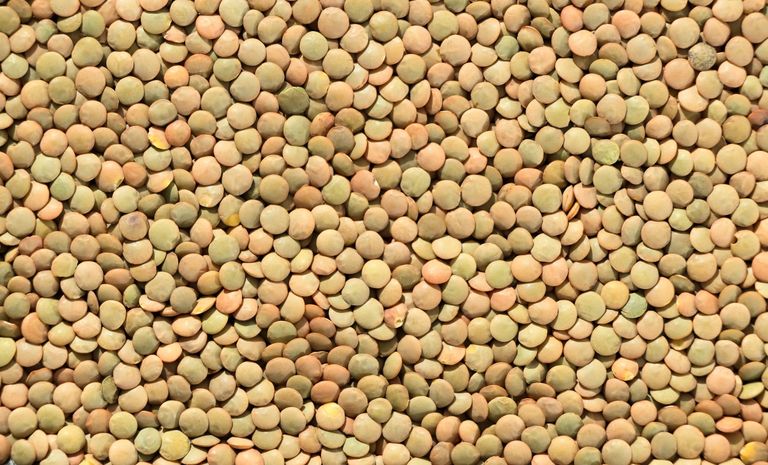
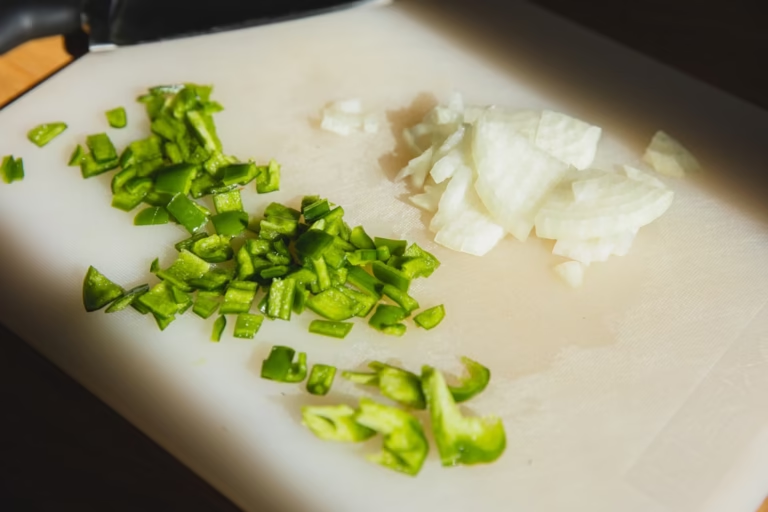
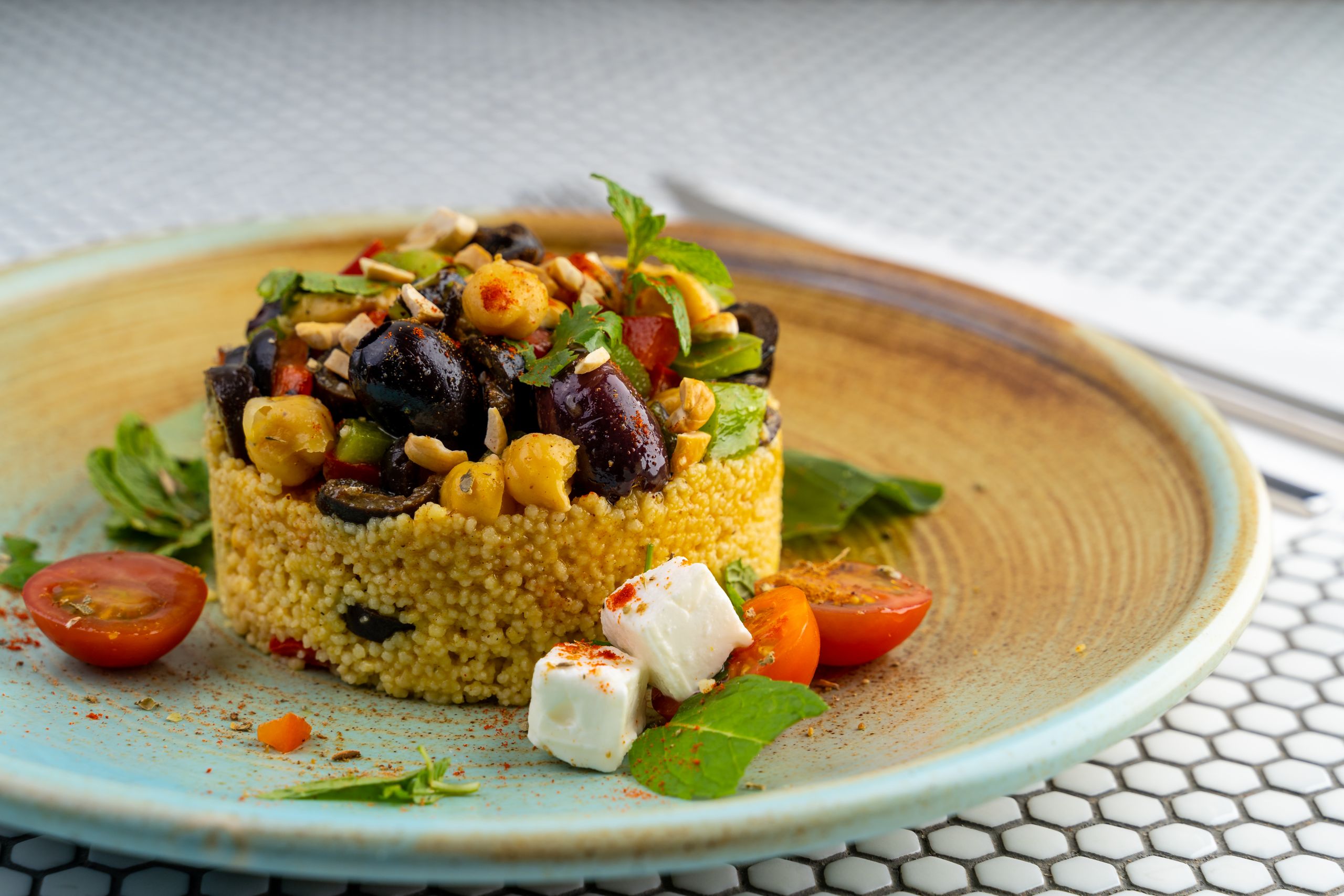
Build balanced meals without counting calories using a flexible food framework. Find meal examples, variety ideas, and practical portion considerations.
Illustrative stock photo; not a photograph of this exact recipe or a product test. Photo by Nadja M · License.
For everyday cooking, a simple meal structure can be easier to use than a spreadsheet. Think in terms of foods you can combine, then adjust to appetite and individual needs.
A flexible framework for balanced meals
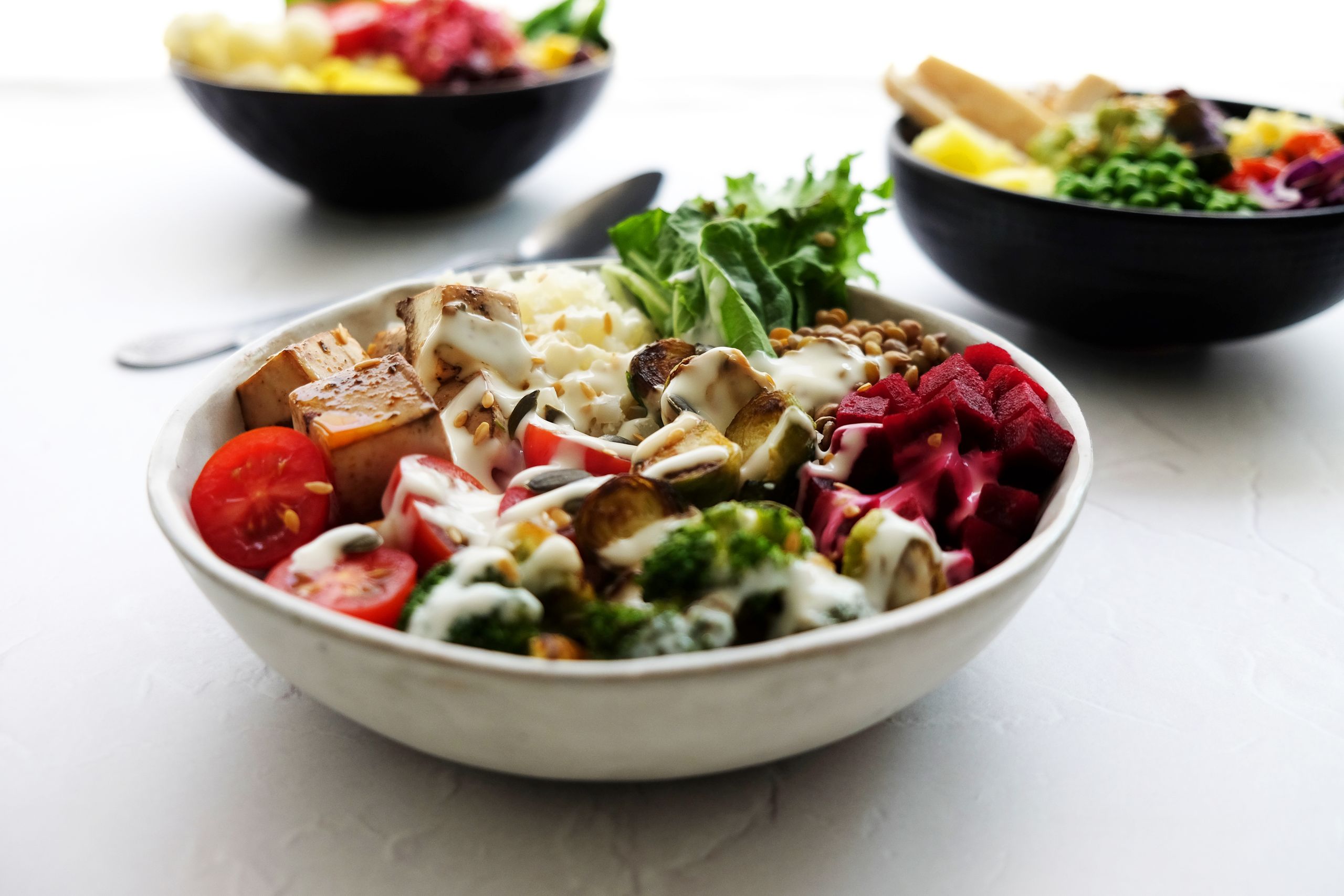
Choose a vegetable or fruit, a protein food, and a grain or other starchy food. Add flavor with a sauce, herbs, spices, or fat you enjoy. This is a planning framework, not a prescribed portion size or treatment plan.
Turn the idea into dinner
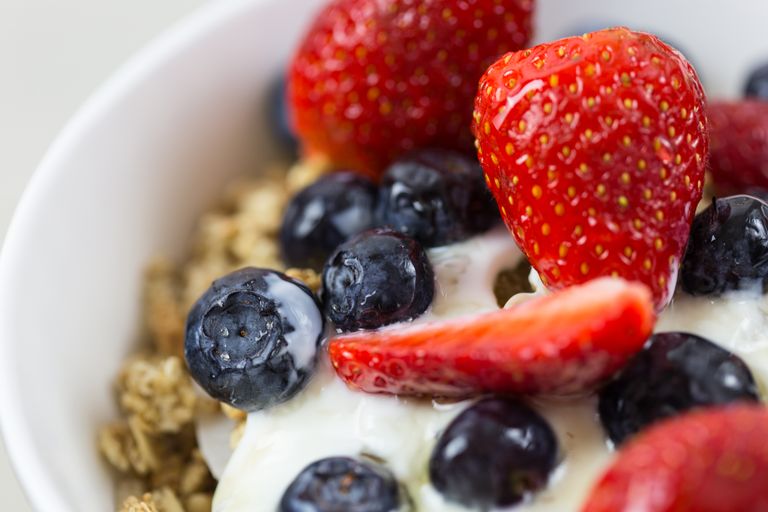
A chickpea rice bowl can include rice, chickpeas, peppers, cucumber, and a lemon dressing. A breakfast can combine oats, yogurt, banana, and peanut butter. Foods do not need to be arranged in separate sections to make the pattern useful.
Adjust one part at a time
If a meal leaves you hungry, consider the overall quantity and what is missing rather than assuming you need a supplement. If preparation feels difficult, simplify chopping or use frozen and canned ingredients. Your appetite, activity, and preferences may change from day to day.
Keep variety practical
Rotate a few vegetables, grains, and protein foods across the week. You can repeat a convenient breakfast while changing lunch and dinner. Variety does not require cooking a new recipe at every meal. Read the WHO overview of healthy diets for broader context.
Try it once
For your next shopping trip, write down one meal using this framework and buy only the missing ingredients. Notice whether it is enjoyable, filling enough for you, and realistic to cook. Keep what works and adjust what does not.
General education only; this is not individualized medical or dietary advice. For needs related to a medical condition, pregnancy, medications, or disordered eating, consult a qualified clinician or registered dietitian.
Begin with a meal you already recognize
Use the framework to adjust a familiar meal rather than replacing your entire routine. If you usually eat toast, consider what you enjoy alongside it: eggs, yogurt, fruit, or another suitable food. If dinner is rice, add vegetables and a protein food you know how to prepare. This keeps the starting point concrete. A framework is easier to use when it helps answer what goes on tonight’s plate.
Treat mixed dishes as combinations of ingredients
Soup, wraps, pasta, and bowls do not need separate sections on a plate to be useful meals. Look at the ingredients and decide whether you want another component or side. A lentil soup might suit bread and fruit; a rice bowl might benefit from additional vegetables you enjoy. Use your appetite and circumstances to adjust the overall quantity instead of assuming one container size defines the meal.
Make convenience part of the plan
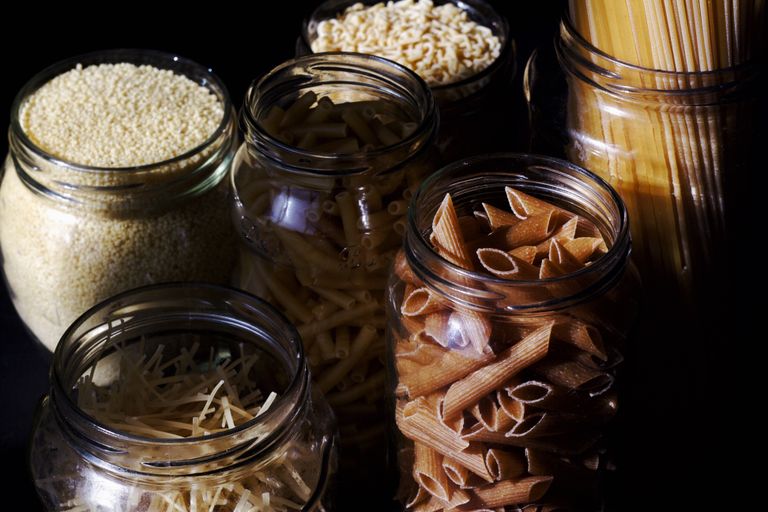
Frozen vegetables, canned beans, prepared grains, and other convenient ingredients can reduce the work needed to assemble a meal. Read labels and follow cooking and storage instructions. Keep a few options that fit your preferences and budget. The point is to make a workable choice available when time is short, not to demand the same level of preparation on every day of the week.
Notice patterns without turning meals into a test
After trying a meal, ask whether it was enjoyable, practical, and enough for you. If you were hungry soon afterward, review the amount and combination rather than judging your willpower. If the dish was too much work, simplify one component. Seek professional guidance when portions, symptoms, or eating decisions relate to a health condition or cause distress. General examples cannot establish your personal requirements.
Frequently asked questions
Do balanced meals require weighing food?
Not for this practical framework. Some people need specific measurements for professional or medical reasons, but the examples here are general planning tools.
Does every meal need every food group?
Consider the broader pattern and your individual needs. These examples help you build variety, but they are not a rule that every plate must have identical components.
What if I dislike a suggested ingredient?
Choose an alternative that fits the meal and your needs. A routine built around food you dislike is difficult to maintain, even when it looks organized on paper.
Compare dairy vs plant-based yogurt by serving size, ingredients, texture, allergens, and nutrients. Choose a product that fits the meal you make. Illustrative stock photo; not a photograph of this exact recipe or a product test. Photo by Foodie Factor · License. In this article Choose dairy or plant-based yogurt for the recipe Read beyond…
Keep a food journal without counting calories to notice meal timing, packing problems, and useful routines. Includes prompts and limits to consider. Illustrative stock photo; not a photograph of this exact recipe or a product test. Photo by Nicolás Rueda · License. In this article Start a food journal with short entries Record useful context…
Explore carbohydrate food examples such as oats, rice, potatoes, bread, and beans. Learn how to choose ingredients and combine them in meals. Illustrative stock photo; not a photograph of this exact recipe or a product test. Photo by Dina Nasyrova · License. In this article Carbohydrate food examples to keep in your kitchen Make familiar…
Learn how to read nutrition labels by checking serving size, comparing equal amounts, and using Daily Value in context. Includes shopping examples. Illustrative stock photo; not a photograph of this exact recipe or a product test. Photo by Laura James · License. In this article Start reading nutrition labels with the serving size Compare similar…
Choose protein foods for everyday meals, from beans and tofu to eggs and yogurt. Learn how to use convenient ingredients and compare supplements. Illustrative stock photo; not a photograph of this exact recipe or a product test. Photo by Mustafa Akın · License. In this article Choose protein foods you enjoy preparing Give each meal…
Choose fresh, frozen, or canned vegetables for the meal you cook. Compare texture, portions, added ingredients, convenience, and storage needs. Illustrative stock photo; not a photograph of this exact recipe or a product test. Photo by Ryutaro Tsukata · License. In this article Choose vegetable texture for the meal Match quantity to your schedule Check…