Compare dairy vs plant-based yogurt by serving size, ingredients, texture, allergens, and nutrients. Choose a product that fits the meal you make.
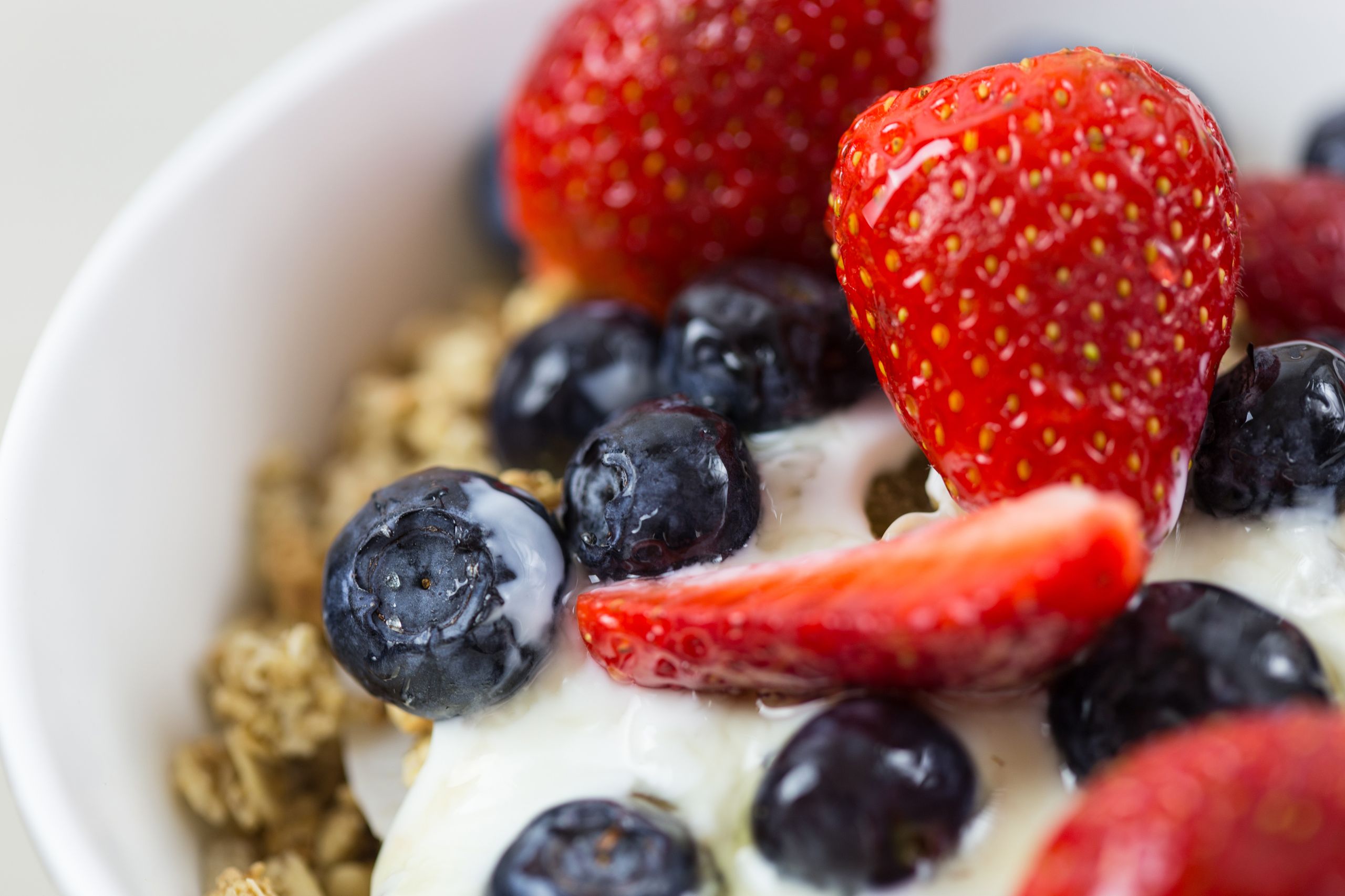
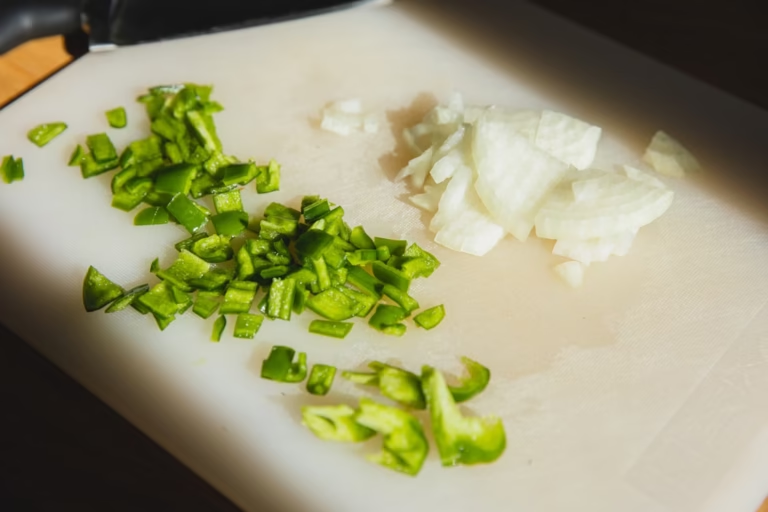
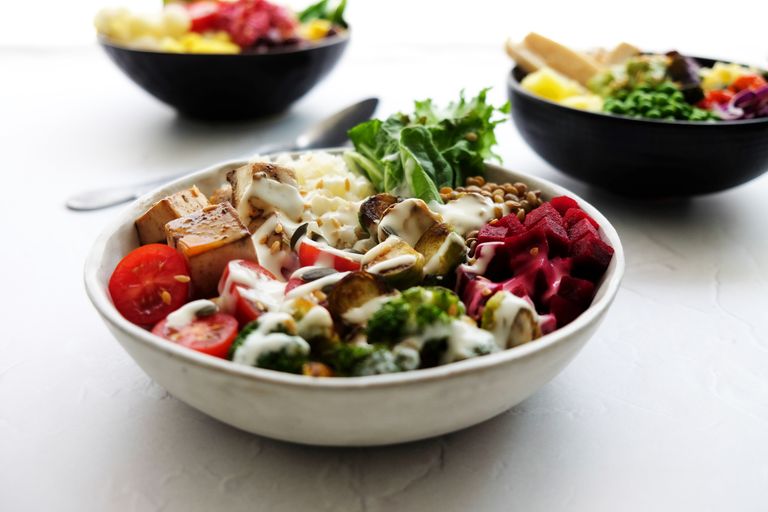
Illustrative stock photo; not a photograph of this exact recipe or a product test. Photo by Foodie Factor · License.
Yogurt shelves offer very different products under similar packaging. Choosing a useful option means comparing the label, taste, and intended role in a meal.
Choose dairy or plant-based yogurt for the recipe
For overnight oats, a thick plain yogurt gives a different result from a thin drinkable product. For a savory dressing, an unsweetened variety usually works better than vanilla. Buy the texture and flavor that suit your recipe.
Read beyond the front label
Compare protein, added sugars, and any nutrients important to you using equal serving sizes. Plant-based alternatives vary by their base ingredient and fortification. Do not assume an almond, coconut, oat, or soy product has the same composition as dairy yogurt or another brand.
Check ingredients and allergens
Read the full ingredient and allergen statements. Milk, soy, nuts, and other ingredients may matter for your household. A product being dairy-free does not automatically make it suitable for every allergy. Contact the manufacturer if labeling leaves an important question unanswered.
Compare value by usable quantity
A large tub can cost less per serving, but only if you use it within its storage guidance. Plan two uses, such as breakfast bowls and a lemon dressing. Keep the lid clean, refrigerate promptly, and follow the product’s instructions after opening.
Try one small container first
Before buying in bulk, test the product in the meal you intend to make. Note whether you like the consistency and whether it separates. For help interpreting nutrient values, consult the FDA label guide.
General education only; this is not individualized medical or dietary advice. For needs related to a medical condition, pregnancy, medications, or disordered eating, consult a qualified clinician or registered dietitian.
Decide whether the product is an ingredient or a finished snack
A plain yogurt intended for a savory dressing has different requirements from a sweetened cup you eat on its own. Check flavor and texture first. Vanilla or heavily sweetened products can change a chickpea filling even if the nutrient label looks appealing. If using yogurt in a recipe for the first time, try a small amount before committing the entire batch to an unfamiliar product.
Compare equal portions and relevant nutrients
Write down the serving amount on each label before comparing. Dairy and plant-based yogurts can vary widely by base ingredient, processing, and fortification. Do not assume a coconut, almond, oat, or soy product is nutritionally equivalent to another yogurt because it is sold on the same shelf. Compare the details that matter for your own needs and seek professional advice where a specific nutrient requirement is involved.
Balance package value with a realistic use plan
A large tub can be useful when breakfast and lunch both use it. Count the total quantity needed and check storage instructions after opening. If you are only testing a product, a small container may be the sensible purchase even when its unit price is higher. Wasted food can erase an apparent saving, and a disliked texture will not become more enjoyable because you bought more of it.
Keep a simple comparison note
Record the product, the recipe you used it in, and whether you liked the texture and flavor. You do not need to build a complete nutrient database. A short note helps avoid repeatedly buying a product that separated in your dressing or was too thin for breakfast. Recheck the label when packaging or formulation changes rather than assuming a familiar brand always uses the same ingredients.
Frequently asked questions
Does plant-based mean suitable for every allergy?
No. Products can contain soy, nuts, or other ingredients and have relevant cross-contact statements. Read the complete label for the needs of your household.
Can I replace Greek yogurt one for one?
Sometimes, but thickness and flavor can differ substantially. Add liquid or dressing gradually and check the specific recipe rather than assuming the same result.
Is an unsweetened product always plain?
Read the label and flavor description. Unsweetened refers to sweetness, while flavorings and other ingredients can still affect how a product works in a savory dish.
Choose fresh, frozen, or canned vegetables for the meal you cook. Compare texture, portions, added ingredients, convenience, and storage needs. Illustrative stock photo; not a photograph of this exact recipe or a product test. Photo by Ryutaro Tsukata · License. In this article Choose vegetable texture for the meal Match quantity to your schedule Check…
Learn how to read nutrition labels by checking serving size, comparing equal amounts, and using Daily Value in context. Includes shopping examples. Illustrative stock photo; not a photograph of this exact recipe or a product test. Photo by Laura James · License. In this article Start reading nutrition labels with the serving size Compare similar…
Build balanced meals without counting calories using a flexible food framework. Find meal examples, variety ideas, and practical portion considerations. Illustrative stock photo; not a photograph of this exact recipe or a product test. Photo by Nadja M · License. In this article A flexible framework for balanced meals Turn the idea into dinner Adjust…
Understand total sugar vs added sugar on food labels. Compare yogurt, check serving sizes, and make choices that fit your meals and preferences. Illustrative stock photo; not a photograph of this exact recipe or a product test. Photo by Polina Tankilevitch · License. In this article Total sugar vs added sugar: read the two lines…
Do beginners need protein powder? Review the purpose, ingredients, allergens, cost, and evidence before deciding whether a supplement fits your needs. Illustrative stock photo; not a photograph of this exact recipe or a product test. Photo by https://kaboompics.com/ · License. In this article Decide what you need protein powder to do Read the whole label…
Explore carbohydrate food examples such as oats, rice, potatoes, bread, and beans. Learn how to choose ingredients and combine them in meals. Illustrative stock photo; not a photograph of this exact recipe or a product test. Photo by Dina Nasyrova · License. In this article Carbohydrate food examples to keep in your kitchen Make familiar…