Choose protein foods for everyday meals, from beans and tofu to eggs and yogurt. Learn how to use convenient ingredients and compare supplements.
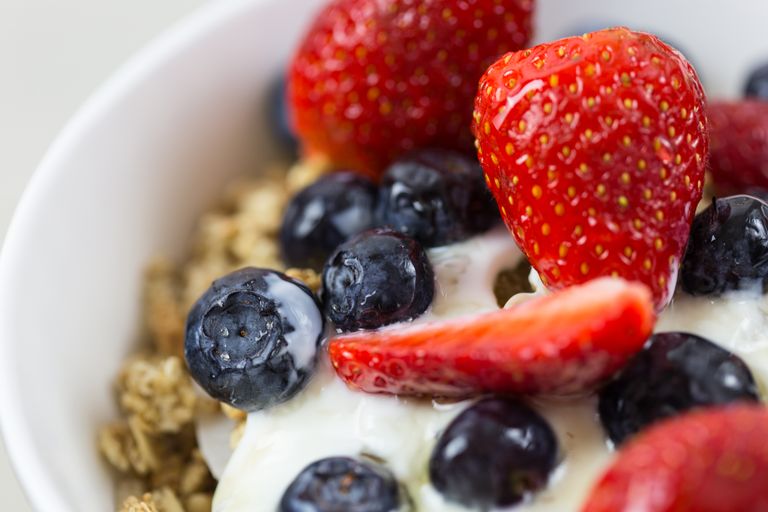
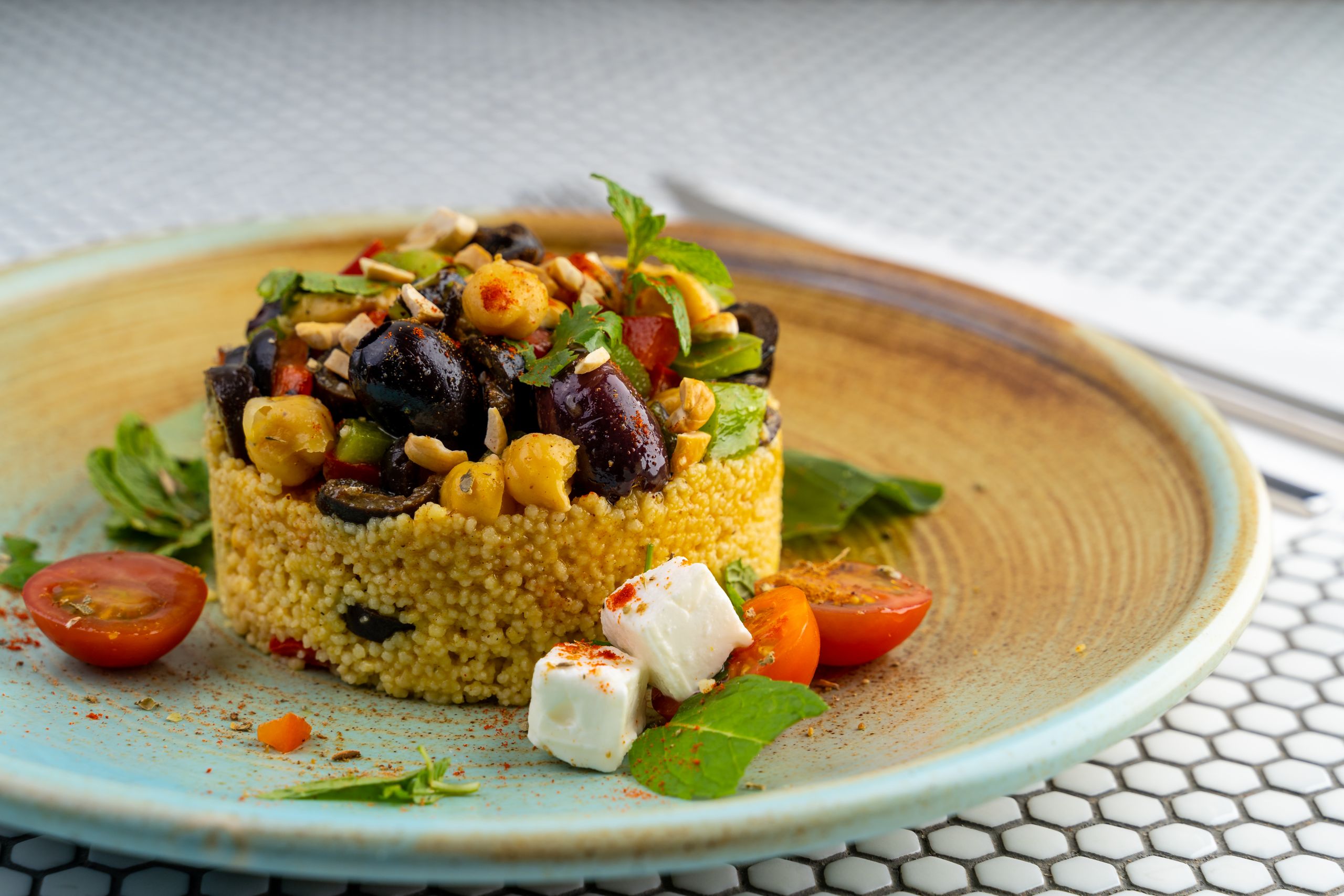
Illustrative stock photo; not a photograph of this exact recipe or a product test. Photo by Mustafa Akın · License.
Protein planning can begin with ordinary foods. Before buying a powder, look at the meals you already eat and the ingredients you enjoy preparing.
Choose protein foods you enjoy preparing
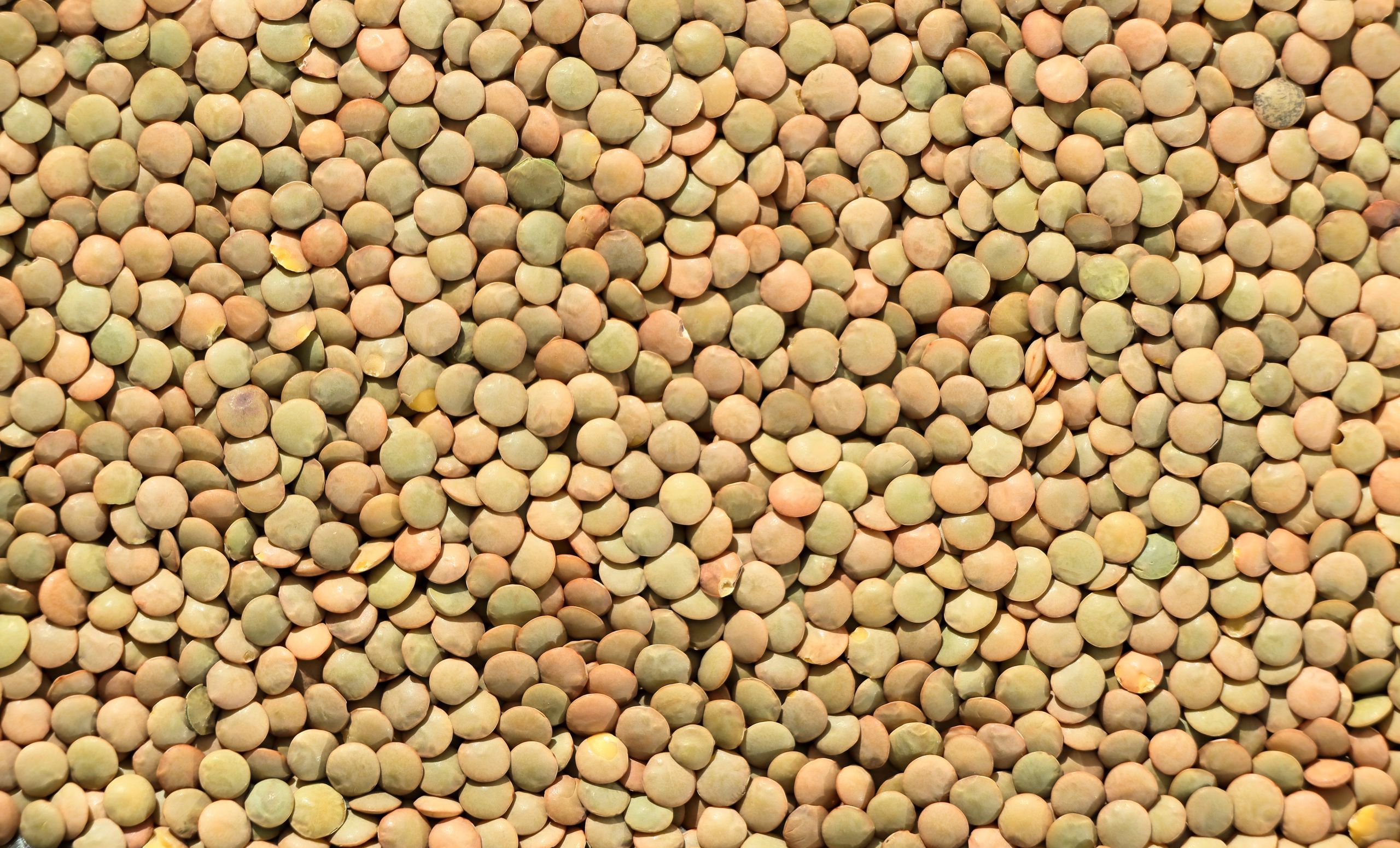
Options include beans, lentils, tofu, eggs, dairy foods, fish, and meat. Dietary needs and preferences differ, so choose foods that suit you. Check product labels when comparing alternatives; similar-looking foods can have very different compositions.
Give each meal an anchor
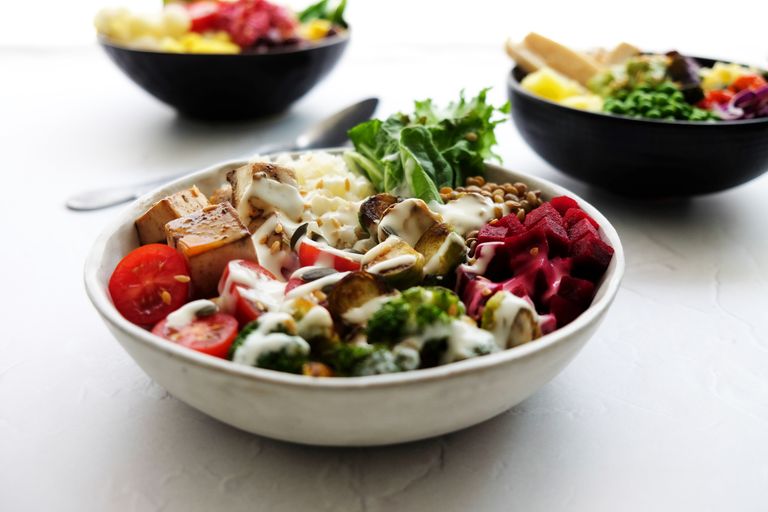
Add yogurt to oats, chickpeas to a lunch bowl, or tofu to a stir-fry. The goal is a practical habit rather than making every dish revolve around a numerical target. A registered dietitian can help set an appropriate intake if you need personalized guidance.
Use convenience strategically
Canned beans, plain yogurt, and cooked lentils can reduce preparation time. Keep a backup ingredient available for evenings when cooking from scratch is unrealistic. Rinse and drain beans if that suits the recipe, and check package storage instructions after opening.
Know what a supplement can and cannot do
A powder may be convenient, but it does not replace an overall eating pattern. Product ingredients, tolerability, and interactions matter. The NIH consumer fact sheet on performance supplements discusses evidence and safety considerations.
Try a food swap
If your usual lunch is only bread and vegetables, try adding hummus, chickpea filling, egg, or another food you enjoy. Evaluate taste, cost, and convenience. Avoid assuming that more is always better; your needs depend on your circumstances.
General education only; this is not individualized medical or dietary advice. For needs related to a medical condition, pregnancy, medications, or disordered eating, consult a qualified clinician or registered dietitian.
List foods you can actually use during the week
Write down three or four protein foods that fit your preferences, budget, cooking setup, and dietary needs. Beans, lentils, tofu, eggs, yogurt, fish, or meat can play different roles. The list is not a ranking or a target intake. Focus on a few practical ingredients you will turn into meals before buying several unfamiliar products that need entirely different preparation.
Give an ingredient more than one role
Plain yogurt can serve breakfast and a savory dressing. Chickpeas can go into a grain bowl or a mashed wrap filling. This overlap can simplify shopping, but it only works when the second use happens within safe storage guidance. Count the quantities for both meals and label opened ingredients. Avoid assuming a whole package is available for dinner after using part of it for several breakfasts.
Compare foods in the context of a meal
Products with similar names can differ in composition and serving size. Read labels for the amount you plan to eat and consider the other ingredients in the meal. A front-of-pack protein claim does not establish whether a product meets your needs or whether you enjoy it. Texture, preparation, allergens, sodium or other professionally relevant considerations, and cost can all affect the choice.
Keep a convenient fallback available
Choose one ingredient that requires little preparation, such as canned beans or a suitable yogurt, and pair it with foods you already use. A fallback helps when cooking time disappears. It should still suit your storage conditions and preferences. If you are trying to meet a specific intake for training or a health issue, work with a qualified professional rather than treating a general online list as a personalized plan.
Frequently asked questions
Do plant-based foods fit this approach?
Yes. Beans, lentils, and tofu are examples, depending on your preferences and needs. Compare the overall eating pattern and seek individualized advice where necessary.
Should every snack be high in protein?
Not automatically. A snack’s role depends on appetite, timing, the rest of your meals, and any professional guidance you follow. One nutrient does not answer every food choice.
When is a powder useful?
It may be convenient for a specific purpose, but it is not required simply because you exercise. Review ingredients, suitability, cost, and professional advice before deciding.
Learn how to read nutrition labels by checking serving size, comparing equal amounts, and using Daily Value in context. Includes shopping examples. Illustrative stock photo; not a photograph of this exact recipe or a product test. Photo by Laura James · License. In this article Start reading nutrition labels with the serving size Compare similar…
Understand total sugar vs added sugar on food labels. Compare yogurt, check serving sizes, and make choices that fit your meals and preferences. Illustrative stock photo; not a photograph of this exact recipe or a product test. Photo by Polina Tankilevitch · License. In this article Total sugar vs added sugar: read the two lines…
Keep a food journal without counting calories to notice meal timing, packing problems, and useful routines. Includes prompts and limits to consider. Illustrative stock photo; not a photograph of this exact recipe or a product test. Photo by Nicolás Rueda · License. In this article Start a food journal with short entries Record useful context…
Find easy snack combinations using fruit, yogurt, toast, hummus, and crackers. Plan portions, portable options, and safe packing for your day. Illustrative stock photo; not a photograph of this exact recipe or a product test. Photo by RDNE Stock project · License. In this article Choose easy snack combinations for your schedule Pair foods you…
Build balanced meals without counting calories using a flexible food framework. Find meal examples, variety ideas, and practical portion considerations. Illustrative stock photo; not a photograph of this exact recipe or a product test. Photo by Nadja M · License. In this article A flexible framework for balanced meals Turn the idea into dinner Adjust…
Compare dairy vs plant-based yogurt by serving size, ingredients, texture, allergens, and nutrients. Choose a product that fits the meal you make. Illustrative stock photo; not a photograph of this exact recipe or a product test. Photo by Foodie Factor · License. In this article Choose dairy or plant-based yogurt for the recipe Read beyond…