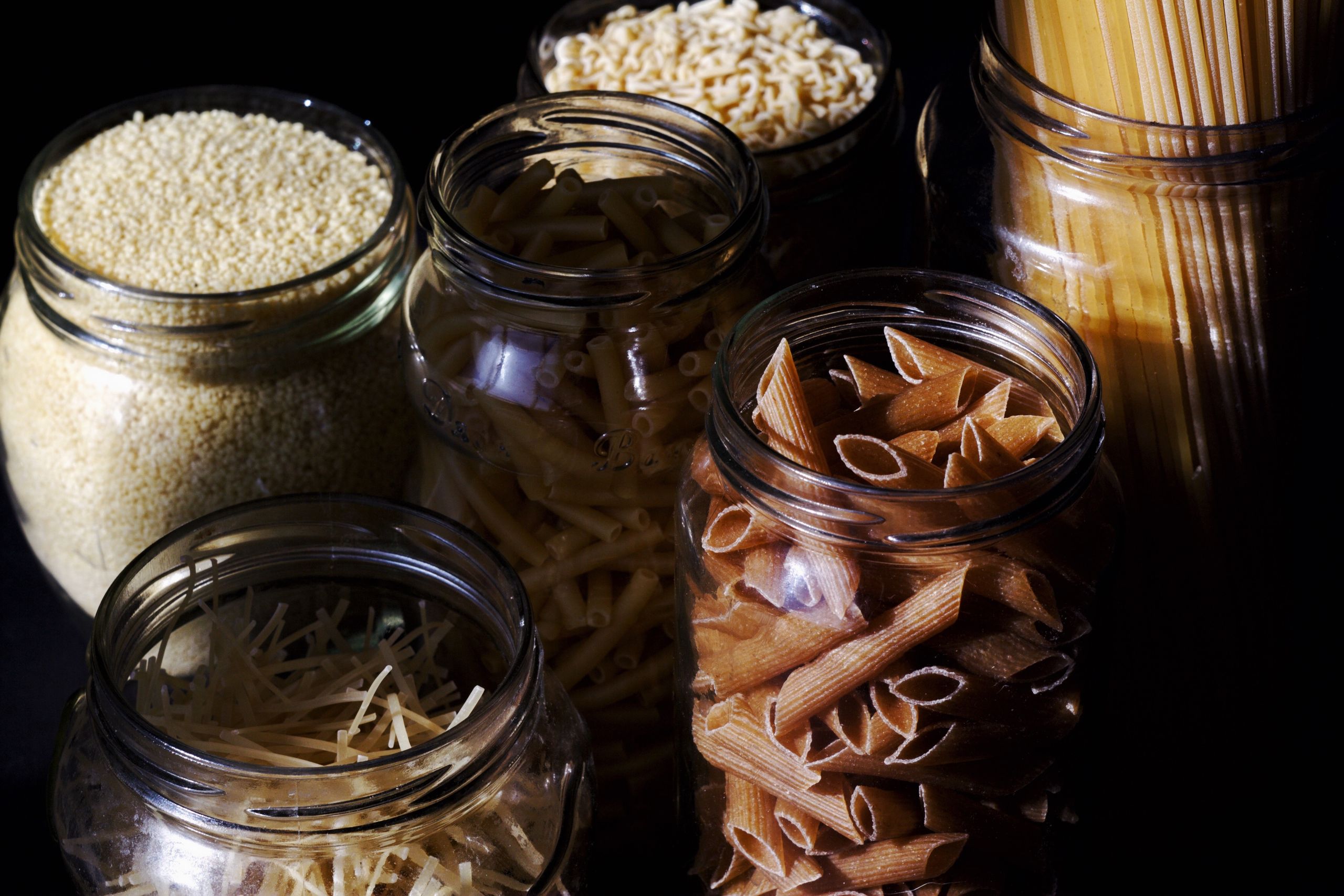
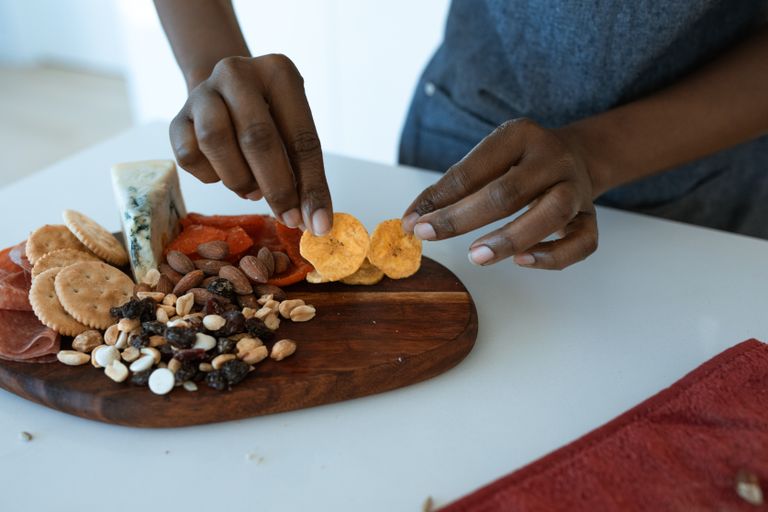
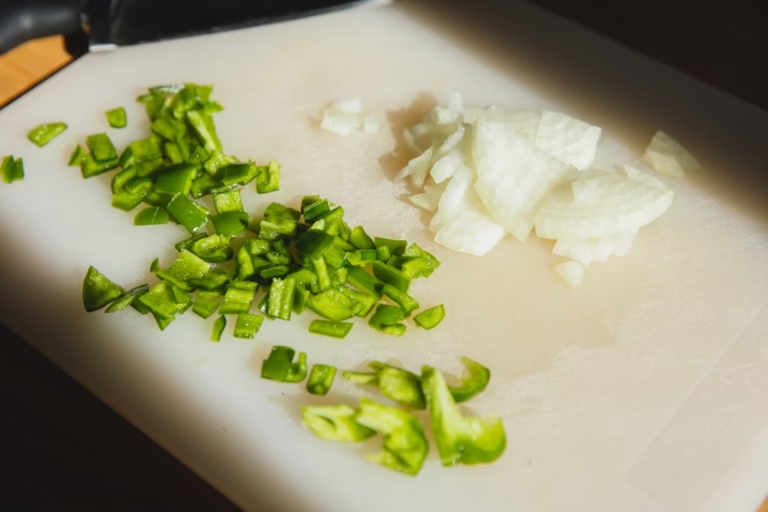
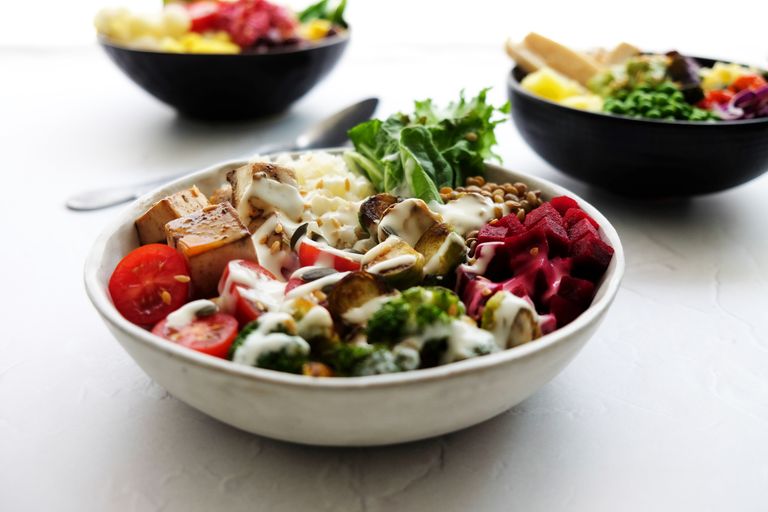
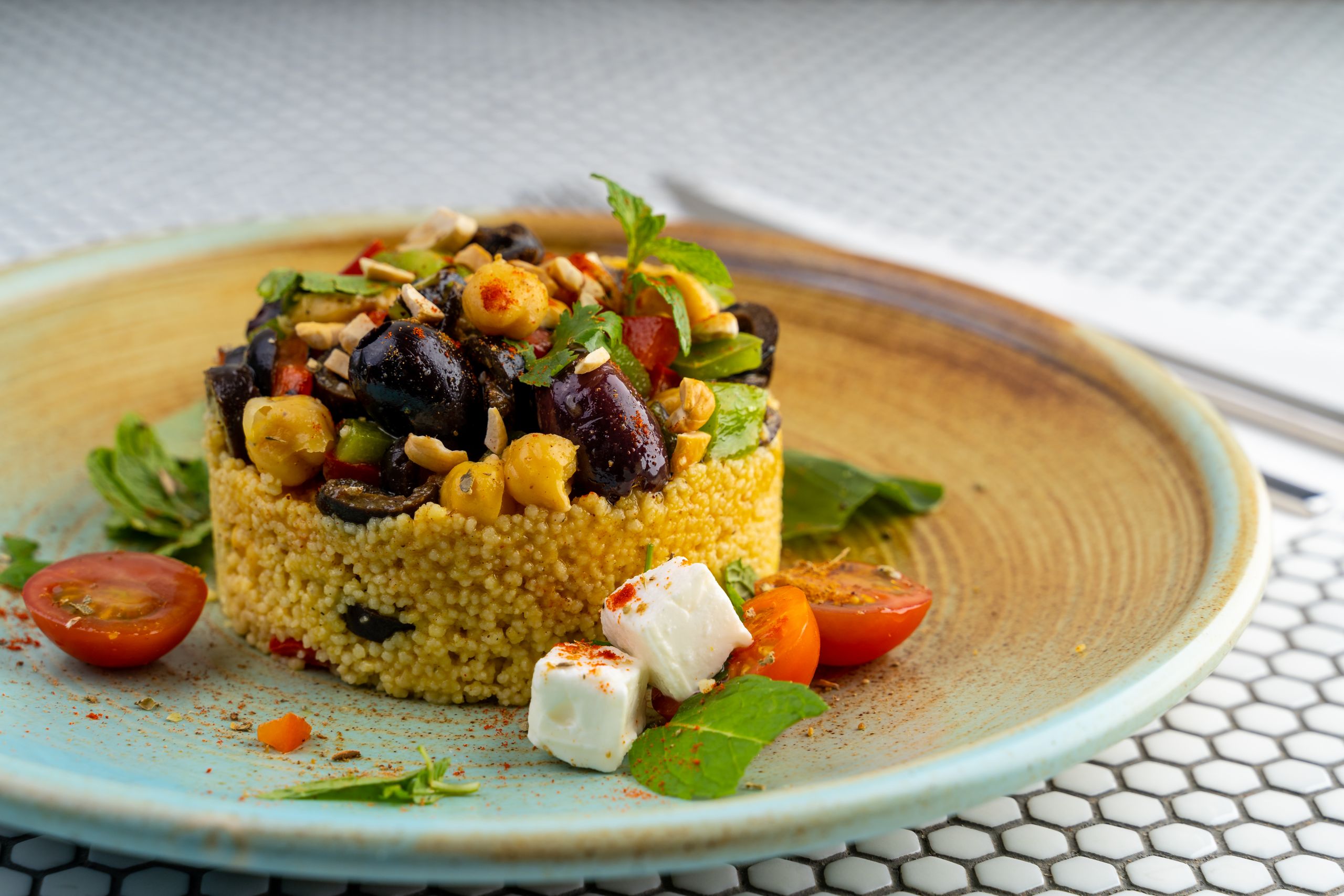
Explore carbohydrate food examples such as oats, rice, potatoes, bread, and beans. Learn how to choose ingredients and combine them in meals.
Illustrative stock photo; not a photograph of this exact recipe or a product test. Photo by Dina Nasyrova · License.
Carbohydrate is a broad category found in many foods. For meal planning, it is more useful to choose ingredients you can prepare and enjoy than to treat every food in the category as interchangeable.
Carbohydrate food examples to keep in your kitchen
Oats, rice, potatoes, bread, beans, fruit, and many other foods contain carbohydrate. They differ in texture, preparation, and other nutrients. Choose the ingredient that fits the meal rather than relying on a single front-of-pack claim.
Make familiar meals easier
Keep oats for breakfast, a grain for bowls, and a potato or bread option for quick dinners. Having a few dependable ingredients reduces the temptation to redesign your diet every week. Store cooked grains promptly and according to safe leftover guidance.
Compare products thoughtfully
When choosing bread or cereal, look at the ingredient list and label information for the portion you will actually eat. A dark color, rustic name, or large health claim does not tell you everything about the product. Compare similar serving amounts.
Add rather than micromanage
Pair a grain or potato with other foods you enjoy. Rice can share a bowl with beans and vegetables; toast can accompany eggs and fruit. This makes the meal more varied without requiring exact calculations.
Match decisions to your situation
People managing diabetes or other conditions may need specific guidance about carbohydrate portions and timing. Generic meal ideas do not replace that plan. For general dietary context, see the WHO healthy diet overview. Start with one workable meal and make changes that fit your needs.
General education only; this is not individualized medical or dietary advice. For needs related to a medical condition, pregnancy, medications, or disordered eating, consult a qualified clinician or registered dietitian.
Use examples to plan meals rather than label foods
Carbohydrate appears in many familiar foods, including oats, rice, bread, potatoes, fruit, and beans. Those foods are not interchangeable in every recipe or meal. Think about preparation, texture, other ingredients, and what you enjoy eating. A bowl of oats, a baked potato, and a slice of bread can each serve a useful role without needing to become part of a rigid food ranking.
Choose a small set of dependable staples
Keep two or three ingredients that fit the way you cook. Someone who makes lunch bowls might use rice and bread; someone with a short morning routine might keep oats. Check pantry quantities before buying another package. A staple only saves effort if you know how to prepare it, can store it safely, and have a real meal in mind for it.
Make label comparisons relevant to the task
When choosing bread or cereal, compare equal serving amounts and read the ingredients. Words such as rustic, multigrain, or natural do not answer every question about a product. Consider any nutrient you have been advised to monitor alongside taste and usability. If a recipe depends on a particular type of grain or flour, check substitution guidance rather than assuming a similar-looking alternative behaves the same way.
Combine foods around your circumstances
A rice bowl might include tofu, broccoli, and a ginger sauce; toast could accompany beans and tomatoes. Adjust the complete meal to your appetite and individual needs. People managing conditions that involve carbohydrate quantities or timing need professional guidance specific to them. An online list of examples is useful for shopping and cooking, but it cannot establish a personal intake, treatment, or sports-fueling plan.
Frequently asked questions
Are beans only a carbohydrate food?
No. Foods contain a mixture of nutrients and can play more than one role in a meal. Categories are practical shortcuts, not complete descriptions of an ingredient.
Should I remove carbohydrate foods on rest days?
A general article cannot determine that for you. Consider your overall needs and any professional advice rather than changing your eating pattern based only on whether you exercised that day.
Can I prepare grains ahead?
Yes, when cooked and stored safely. Label portions, refrigerate promptly, and use or freeze them within appropriate guidance. Reassembling a grain in a new meal does not reset storage time.
Learn how to read nutrition labels by checking serving size, comparing equal amounts, and using Daily Value in context. Includes shopping examples. Illustrative stock photo; not a photograph of this exact recipe or a product test. Photo by Laura James · License. In this article Start reading nutrition labels with the serving size Compare similar…
Choose protein foods for everyday meals, from beans and tofu to eggs and yogurt. Learn how to use convenient ingredients and compare supplements. Illustrative stock photo; not a photograph of this exact recipe or a product test. Photo by Mustafa Akın · License. In this article Choose protein foods you enjoy preparing Give each meal…
Compare dairy vs plant-based yogurt by serving size, ingredients, texture, allergens, and nutrients. Choose a product that fits the meal you make. Illustrative stock photo; not a photograph of this exact recipe or a product test. Photo by Foodie Factor · License. In this article Choose dairy or plant-based yogurt for the recipe Read beyond…
Find easy snack combinations using fruit, yogurt, toast, hummus, and crackers. Plan portions, portable options, and safe packing for your day. Illustrative stock photo; not a photograph of this exact recipe or a product test. Photo by RDNE Stock project · License. In this article Choose easy snack combinations for your schedule Pair foods you…
Choose fresh, frozen, or canned vegetables for the meal you cook. Compare texture, portions, added ingredients, convenience, and storage needs. Illustrative stock photo; not a photograph of this exact recipe or a product test. Photo by Ryutaro Tsukata · License. In this article Choose vegetable texture for the meal Match quantity to your schedule Check…
Build balanced meals without counting calories using a flexible food framework. Find meal examples, variety ideas, and practical portion considerations. Illustrative stock photo; not a photograph of this exact recipe or a product test. Photo by Nadja M · License. In this article A flexible framework for balanced meals Turn the idea into dinner Adjust…