Choose fresh, frozen, or canned vegetables for the meal you cook. Compare texture, portions, added ingredients, convenience, and storage needs.
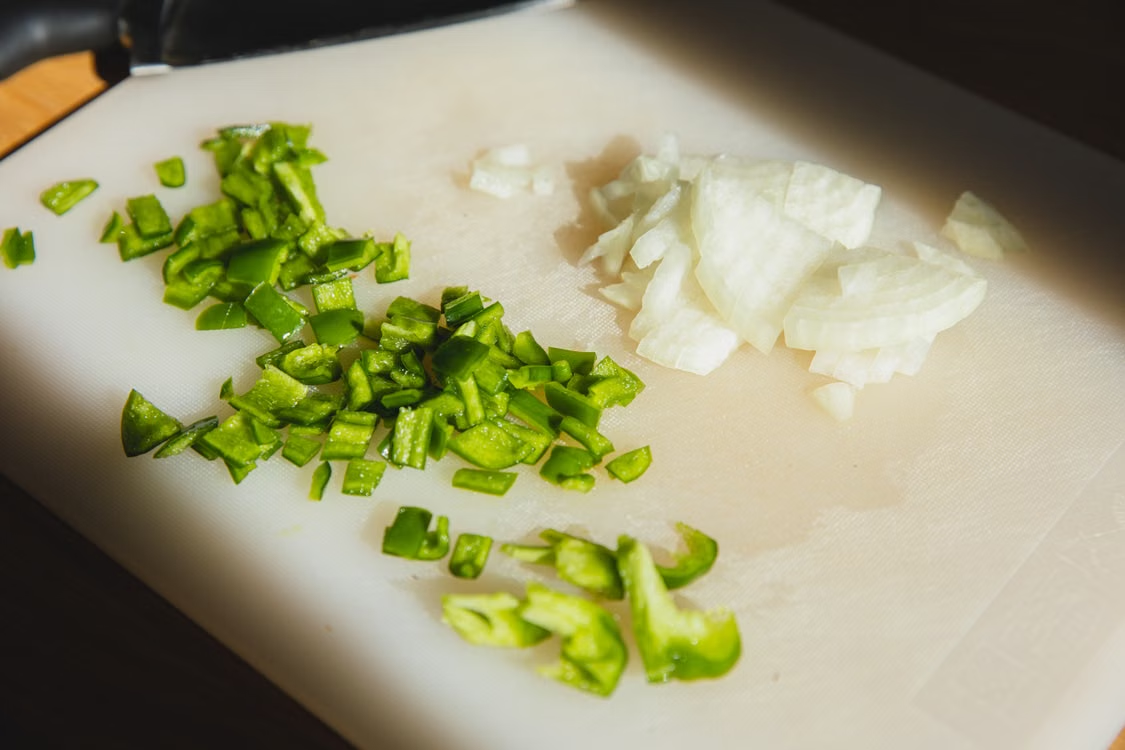
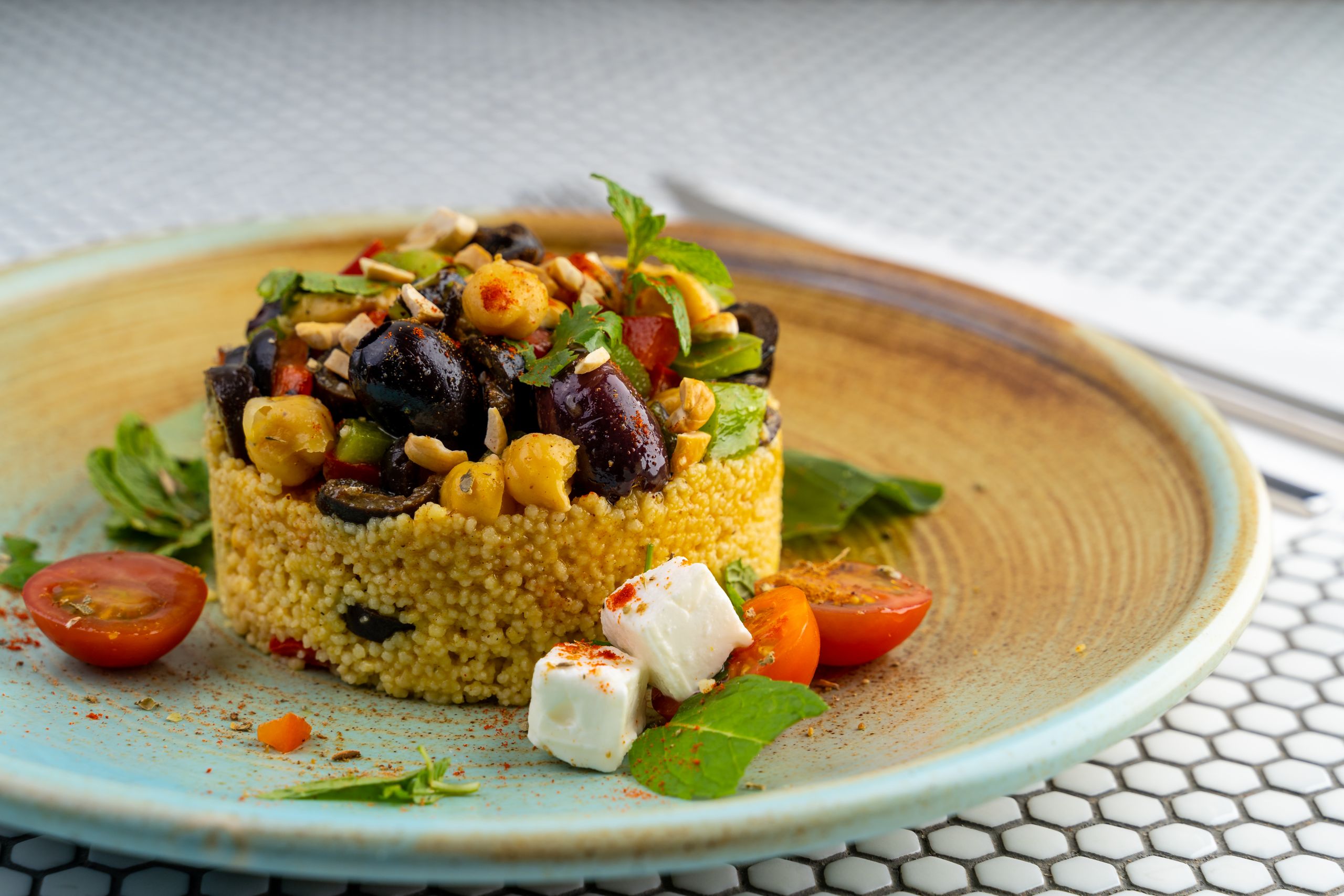
Illustrative stock photo; not a photograph of this exact recipe or a product test. Photo by Ryutaro Tsukata · License.
The most useful vegetable is often the one you will actually prepare. Fresh, frozen, and canned options each solve different kitchen problems.
Choose vegetable texture for the meal
Fresh cucumber works well in a crisp wrap; frozen broccoli is convenient for a cooked bowl. Canned tomatoes are practical for soup. Think about whether the ingredient needs to stay crisp, soften into a sauce, or cook quickly.
Match quantity to your schedule
A large pack of fresh produce is not a bargain if much of it goes unused. Frozen vegetables let you take a portion and return the rest to the freezer. Smaller fresh quantities may suit a household cooking only a few meals at home.
Check what else is included
Some frozen vegetables include sauces or seasoning. Canned products may include salt or other ingredients. Read the label if you need a plain ingredient or are comparing nutrient amounts. Follow package cooking directions, including any instructions not to eat a product raw.
Use a simple backup combination
Keep a frozen vegetable, canned beans, and a grain you know how to cook. Together they can become a quick bowl when a planned recipe is no longer realistic. Add a familiar dressing rather than buying a new sauce for every meal.
Reduce prep friction
Store produce according to the product and food-safety guidance, and put soon-to-use items where you can see them. Choose two vegetables you enjoy before adding more variety. General dietary guidance emphasizes variety; the WHO overview provides context without requiring one shopping format.
General education only; this is not individualized medical or dietary advice. For needs related to a medical condition, pregnancy, medications, or disordered eating, consult a qualified clinician or registered dietitian.
Use texture to choose the shopping format
Fresh cucumber is useful when you want crunch in a wrap, while frozen broccoli suits a cooked bowl. Canned tomatoes work well in a simmered sauce or soup. These are cooking choices as well as shopping choices. Decide what the ingredient must do in the recipe before comparing a large bag of fresh produce with a freezer package that behaves differently after cooking.
Count the amount you will actually use
A full bag of fresh vegetables may suit several meals, but it can create waste if your schedule changes. Frozen portions let you take an amount and return the rest to suitable storage. Canned products can be useful when a recipe uses the whole can. Check drained quantity where relevant and think about any opened portion you will need to store or use in another meal.
Read the label for sauces and seasoning
A package showing broccoli on the front may contain a sauce or other ingredients. That can be convenient, but it may not fit a recipe designed for plain vegetables. Check the ingredient list, allergens, serving amount, and any nutrient you need to monitor. Follow cooking directions, including instructions that a product must be cooked before eating. Frozen does not automatically mean ready to eat raw.
Make a backup meal from shelf and freezer staples
Choose one frozen vegetable, one canned bean, and a grain you enjoy. Together they can form the start of a bowl when the fresh recipe you planned is no longer practical. Use a familiar seasoning or sauce so the backup does not require several new purchases. Rotate these ingredients into ordinary meals rather than saving them indefinitely for an emergency that never arrives.
Frequently asked questions
Do I need to buy only fresh vegetables?
No. Choose formats that fit the meals you make, your storage, and your preferences. Variety and practical use matter more than insisting on one shopping format.
Can I swap frozen for fresh in every recipe?
Not automatically. Moisture, texture, and cooking time can change. Follow package directions and consider whether the dish needs crisp raw vegetables or cooked ones.
How do I compare the price fairly?
Compare usable quantity as well as unit price. Consider trimming, draining, package size, and how much you can use before the remaining food needs to be discarded.
Do beginners need protein powder? Review the purpose, ingredients, allergens, cost, and evidence before deciding whether a supplement fits your needs. Illustrative stock photo; not a photograph of this exact recipe or a product test. Photo by https://kaboompics.com/ · License. In this article Decide what you need protein powder to do Read the whole label…
Build balanced meals without counting calories using a flexible food framework. Find meal examples, variety ideas, and practical portion considerations. Illustrative stock photo; not a photograph of this exact recipe or a product test. Photo by Nadja M · License. In this article A flexible framework for balanced meals Turn the idea into dinner Adjust…
Find easy snack combinations using fruit, yogurt, toast, hummus, and crackers. Plan portions, portable options, and safe packing for your day. Illustrative stock photo; not a photograph of this exact recipe or a product test. Photo by RDNE Stock project · License. In this article Choose easy snack combinations for your schedule Pair foods you…
Compare dairy vs plant-based yogurt by serving size, ingredients, texture, allergens, and nutrients. Choose a product that fits the meal you make. Illustrative stock photo; not a photograph of this exact recipe or a product test. Photo by Foodie Factor · License. In this article Choose dairy or plant-based yogurt for the recipe Read beyond…
Understand total sugar vs added sugar on food labels. Compare yogurt, check serving sizes, and make choices that fit your meals and preferences. Illustrative stock photo; not a photograph of this exact recipe or a product test. Photo by Polina Tankilevitch · License. In this article Total sugar vs added sugar: read the two lines…
Choose protein foods for everyday meals, from beans and tofu to eggs and yogurt. Learn how to use convenient ingredients and compare supplements. Illustrative stock photo; not a photograph of this exact recipe or a product test. Photo by Mustafa Akın · License. In this article Choose protein foods you enjoy preparing Give each meal…