Keep a food journal without counting calories to notice meal timing, packing problems, and useful routines. Includes prompts and limits to consider.
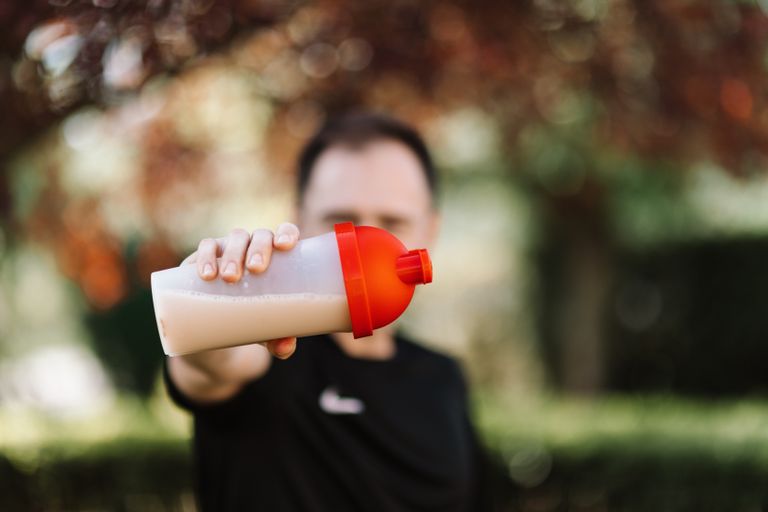
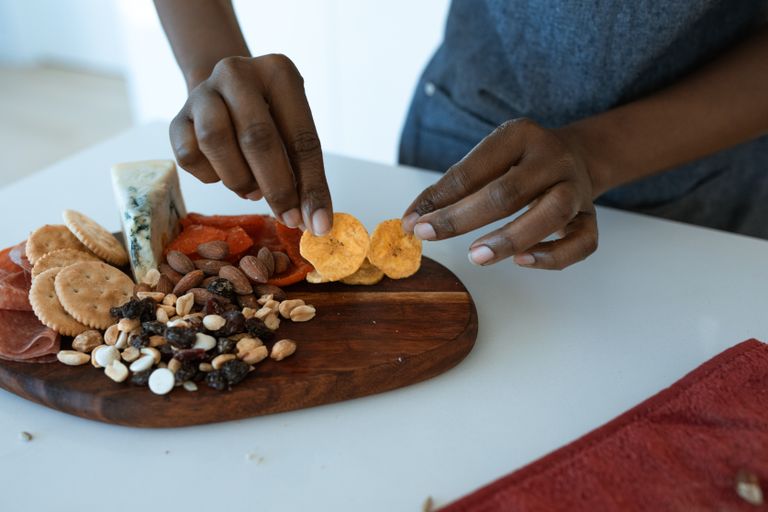
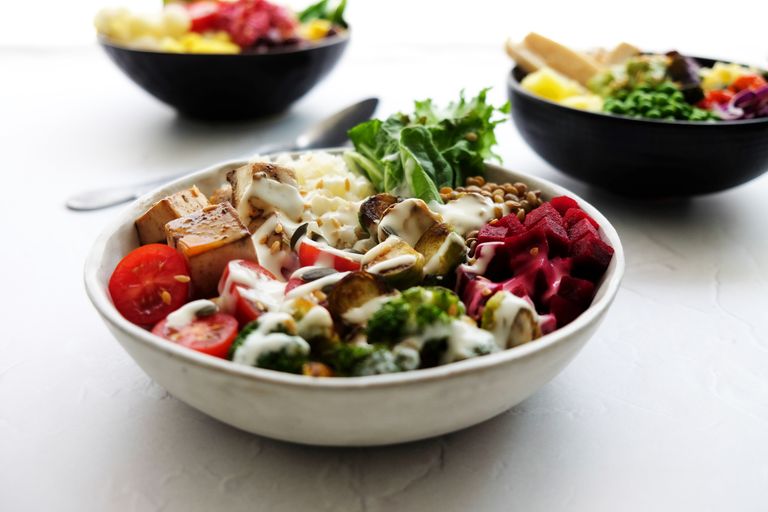
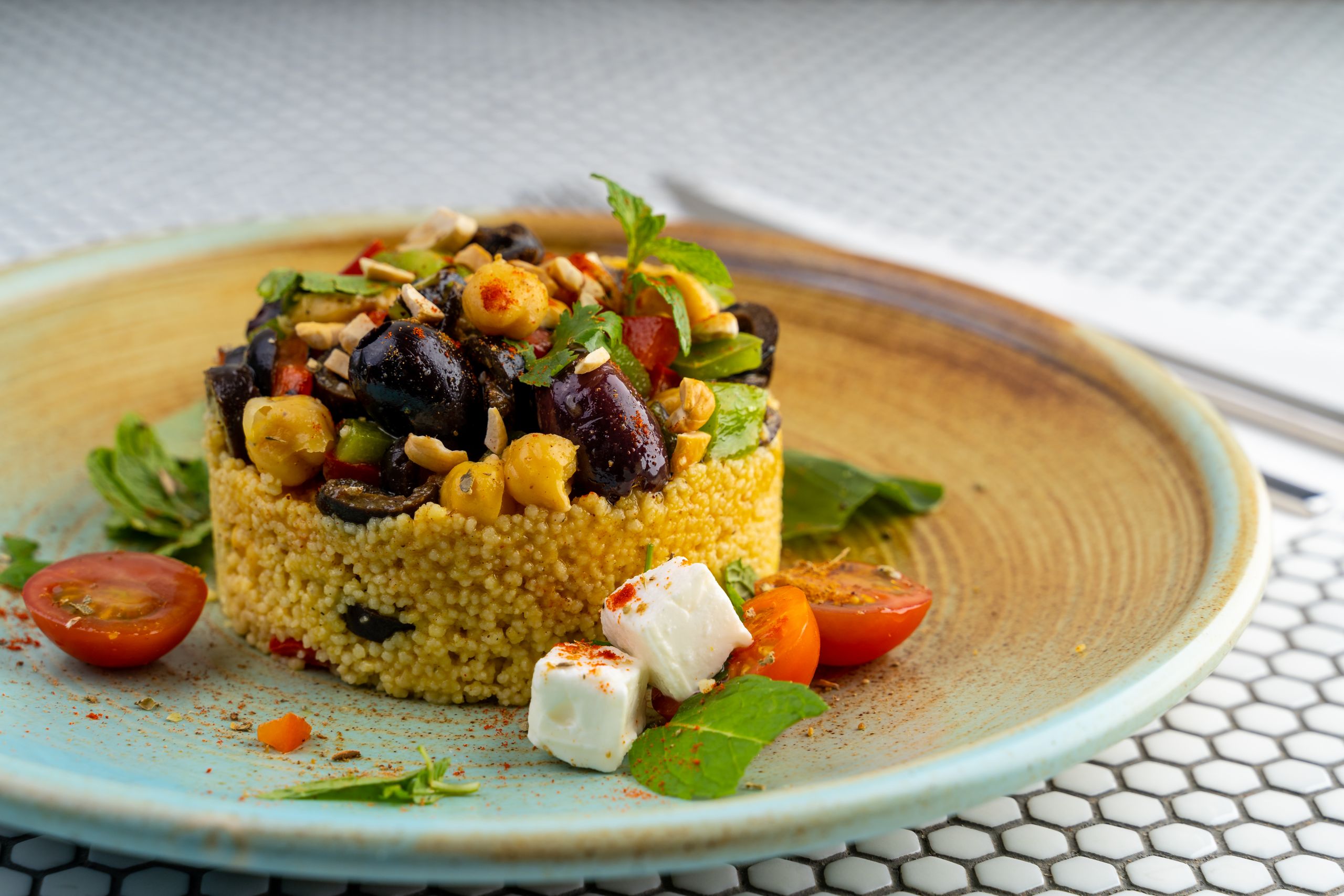
Illustrative stock photo; not a photograph of this exact recipe or a product test. Photo by Nicolás Rueda · License.
A short journal can reveal practical patterns without turning every meal into a calculation. Use it to notice what makes your routine easier, not to grade your eating.
Start a food journal with short entries
Write the meal or snack, approximate time, and a few words about the situation. You might note that lunch was rushed, that you forgot a utensil, or that a familiar breakfast was easy to repeat. Exact weights are unnecessary for this type of planning exercise.
Record useful context
If you exercise, note the kind of session and whether your meal timing felt comfortable. Also record schedule changes or a missed shopping trip. Avoid drawing medical conclusions from a few entries; many factors can affect how you feel.
Look for logistical patterns
Do busy mornings lead to skipping a planned breakfast?
Do you pack lunches that are difficult to eat at work?
Does a long gap between meals leave you scrambling?
Which meals do you reliably enjoy?
Change one thing
Choose a small experiment, such as packing oats the night before or bringing a snack on a long workday. Try it for a few days and note whether it helps. You do not need to redesign the entire week based on one inconvenient lunch.
Know when not to track
If journaling increases anxiety, guilt, or obsessive checking, stop and seek qualified support as appropriate. People with medical or sports-specific needs may benefit from professional guidance rather than self-experimenting. The NIH performance nutrition overview offers general context, not a personal plan.
General education only; this is not individualized medical or dietary advice. For needs related to a medical condition, pregnancy, medications, or disordered eating, consult a qualified clinician or registered dietitian.
Choose a question before starting the journal
A useful journal begins with a practical question, such as why packed lunches keep returning home or why breakfast feels rushed. Decide what you want to notice and collect only the details that help. A short observation about schedule, convenience, and appetite may be more useful than a long record of every ingredient. You can stop once the journal has helped you make a workable change.
Use a simple entry format
Record the meal or snack, approximate time, setting, and one relevant observation. For example: lunch at work, filling packed separately, forgot a fork. If you exercise, note whether meal timing felt comfortable without using the entry to diagnose a problem. Exact weights and calorie calculations are unnecessary for this logistical exercise. The format should take little time and remain optional rather than becoming another obligation around eating.
Look for repetition before changing your routine
One inconvenient day may reflect an unusual schedule. Look for recurring obstacles, such as several mornings without time to assemble breakfast or repeated trouble keeping lunch cold. Choose one pattern you can influence. Preparing oats the night before or packing a utensil with the container is a concrete experiment. Avoid making broad conclusions about your health or training response from a small collection of personal observations.
Review whether tracking itself is helpful
The journal should reduce confusion, not create guilt or anxiety. If it encourages compulsive checking or makes eating more stressful, stop and seek appropriate support. You can use a simpler checklist for packing and shopping instead. People with medical, nutrition, or sports-specific questions may need professional assessment rather than self-monitoring. This guide is about practical routines, not a method for diagnosing symptoms or prescribing food intake.
Frequently asked questions
How long should I keep the journal?
Use it only as long as it helps answer your practical question. There is no required tracking period, and you do not need to keep recording indefinitely.
Can I use a phone note?
Yes. A few lines in a note can work as well as a printed form. Choose a method you can use comfortably and keep any personal information private.
Should I record weight or calories?
They are not needed for this exercise. If a qualified professional asks you to record specific information, follow their individualized guidance rather than adding measurements automatically.
Compare dairy vs plant-based yogurt by serving size, ingredients, texture, allergens, and nutrients. Choose a product that fits the meal you make. Illustrative stock photo; not a photograph of this exact recipe or a product test. Photo by Foodie Factor · License. In this article Choose dairy or plant-based yogurt for the recipe Read beyond…
Understand total sugar vs added sugar on food labels. Compare yogurt, check serving sizes, and make choices that fit your meals and preferences. Illustrative stock photo; not a photograph of this exact recipe or a product test. Photo by Polina Tankilevitch · License. In this article Total sugar vs added sugar: read the two lines…
Choose protein foods for everyday meals, from beans and tofu to eggs and yogurt. Learn how to use convenient ingredients and compare supplements. Illustrative stock photo; not a photograph of this exact recipe or a product test. Photo by Mustafa Akın · License. In this article Choose protein foods you enjoy preparing Give each meal…
Do beginners need protein powder? Review the purpose, ingredients, allergens, cost, and evidence before deciding whether a supplement fits your needs. Illustrative stock photo; not a photograph of this exact recipe or a product test. Photo by https://kaboompics.com/ · License. In this article Decide what you need protein powder to do Read the whole label…
Find easy snack combinations using fruit, yogurt, toast, hummus, and crackers. Plan portions, portable options, and safe packing for your day. Illustrative stock photo; not a photograph of this exact recipe or a product test. Photo by RDNE Stock project · License. In this article Choose easy snack combinations for your schedule Pair foods you…
Build balanced meals without counting calories using a flexible food framework. Find meal examples, variety ideas, and practical portion considerations. Illustrative stock photo; not a photograph of this exact recipe or a product test. Photo by Nadja M · License. In this article A flexible framework for balanced meals Turn the idea into dinner Adjust…