Find easy snack combinations using fruit, yogurt, toast, hummus, and crackers. Plan portions, portable options, and safe packing for your day.
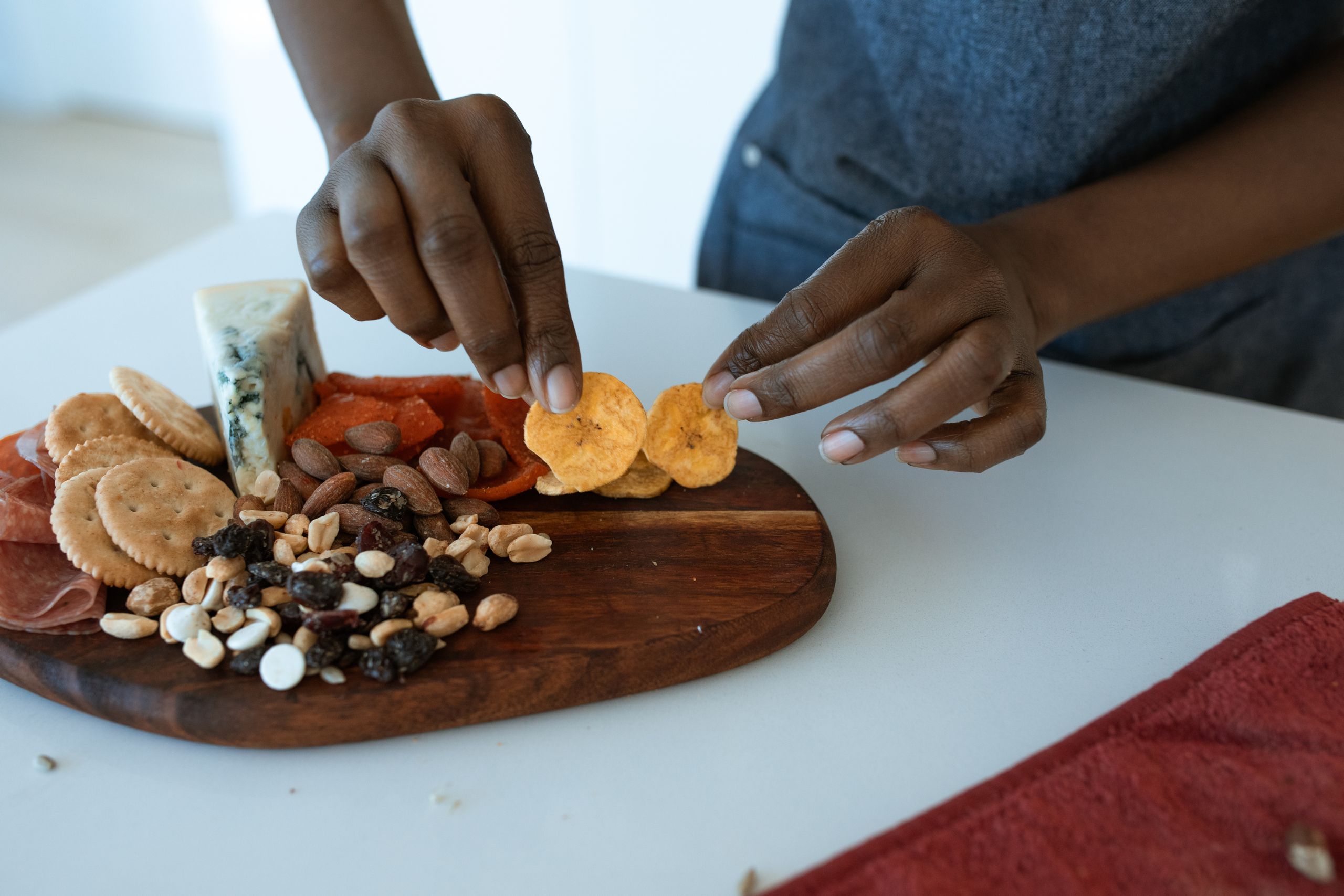
Illustrative stock photo; not a photograph of this exact recipe or a product test. Photo by RDNE Stock project · License.
A useful snack solves a practical problem: a long gap between meals, a busy commute, or appetite that does not line up with your schedule. It does not need a special label.
Choose easy snack combinations for your schedule
Do you need something portable, something cold from a refrigerator, or a small bite before dinner? The answer changes what to pack. A yogurt bowl is convenient at a desk with a refrigerator; a sealed dry snack may be easier for an unpredictable travel day.
Pair foods you enjoy
Fruit with yogurt.
Toast with peanut butter.
Crackers with hummus and cucumber.
A small portion of leftovers kept at a safe temperature.
These are ideas, not prescribed portions. Adjust to appetite, dietary needs, and how soon your next meal will be.
Pack for the environment
Perishable foods need refrigeration or an effective cold pack. Keep wet ingredients away from crisp crackers. Include a spoon if needed and choose a container that is easy to open where you will eat.
Read the label when buying packaged snacks
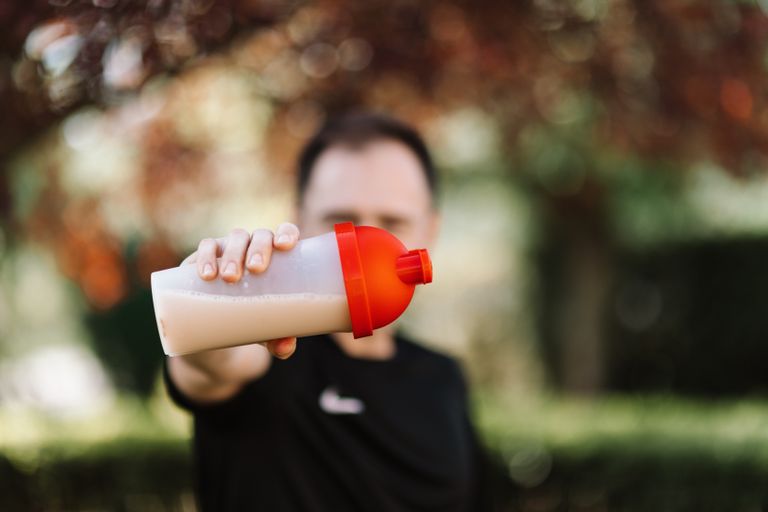
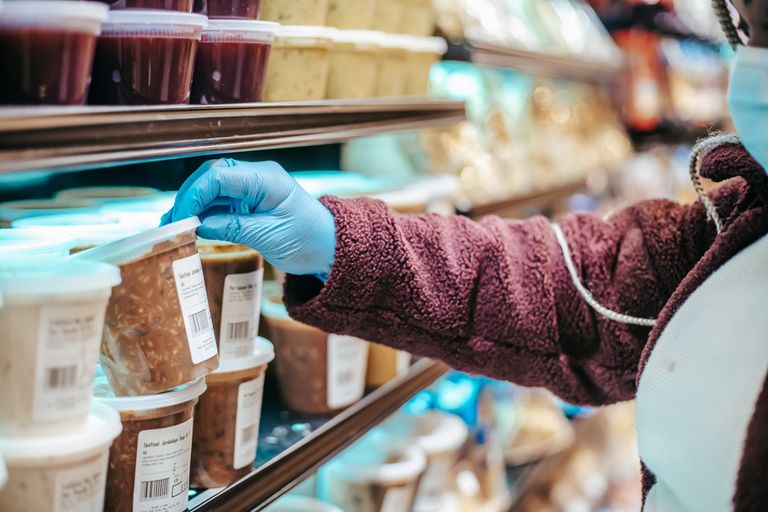
Compare the actual serving size and ingredients. A front-of-pack protein claim does not tell you whether you like the product or whether it suits your needs. Learn more from the FDA label explanation.
Review the result
If the snack regularly comes home untouched, change the timing or food. If you remain hungry, consider whether you need a larger snack or a more substantial meal. Seek individualized support if eating decisions are causing distress or relate to a medical condition.
General education only; this is not individualized medical or dietary advice. For needs related to a medical condition, pregnancy, medications, or disordered eating, consult a qualified clinician or registered dietitian.
Start with the gap the snack is meant to fill
A snack between an early lunch and a late dinner has a different job from a small bite before a short errand. Think about timing, appetite, and the foods available at your destination. There is no need for every snack to meet the same formula or carry a special fitness label. Choose a combination that makes your day easier and fits your individual needs.
Build two dependable options instead of a large menu
One refrigerated option and one suitable shelf-stable option can cover many situations. Yogurt with fruit may suit a desk with a refrigerator; a labeled packaged snack or dry combination may be easier when storage is unpredictable. Check allergens and package instructions. Keep quantities realistic so preparing snacks does not become a second meal-prep project with its own long shopping list.
Pack for texture and access
Keep crackers away from wet hummus and pack a spoon with yogurt. Choose containers you can open without spreading several lids over a small workspace. If you are driving, plan to eat while stopped rather than choosing a messy food and trying to manage it on the road. Maintain safe cold storage for perishables. Convenience includes the place and manner in which the food will be eaten.
Review the result without judging yourself
Notice whether you ate the snack, enjoyed it, and found it sufficient for the situation. If it came home untouched, change the food or timing. If you remained hungry, consider a larger snack or a more substantial meal. Avoid treating hunger as a failure to plan correctly. Seek qualified support if food tracking or snack decisions become distressing or are connected to a medical condition.
Frequently asked questions
Should snacks always contain protein?
Not as a universal rule. Their role depends on appetite, timing, the rest of your meals, and any professional advice relevant to you.
Are packaged snacks unsuitable for meal prep?
They can be convenient. Compare ingredients, serving size, cost, and suitability for your needs rather than judging the product solely by whether it comes in a package.
How many snacks should I prepare?
Count the situations you expect to need one and start there. Preparing a large supply without an eating plan can create the same waste as overpreparing full meals.
Keep a food journal without counting calories to notice meal timing, packing problems, and useful routines. Includes prompts and limits to consider. Illustrative stock photo; not a photograph of this exact recipe or a product test. Photo by Nicolás Rueda · License. In this article Start a food journal with short entries Record useful context…
Choose fresh, frozen, or canned vegetables for the meal you cook. Compare texture, portions, added ingredients, convenience, and storage needs. Illustrative stock photo; not a photograph of this exact recipe or a product test. Photo by Ryutaro Tsukata · License. In this article Choose vegetable texture for the meal Match quantity to your schedule Check…
Understand total sugar vs added sugar on food labels. Compare yogurt, check serving sizes, and make choices that fit your meals and preferences. Illustrative stock photo; not a photograph of this exact recipe or a product test. Photo by Polina Tankilevitch · License. In this article Total sugar vs added sugar: read the two lines…
Do beginners need protein powder? Review the purpose, ingredients, allergens, cost, and evidence before deciding whether a supplement fits your needs. Illustrative stock photo; not a photograph of this exact recipe or a product test. Photo by https://kaboompics.com/ · License. In this article Decide what you need protein powder to do Read the whole label…
Explore carbohydrate food examples such as oats, rice, potatoes, bread, and beans. Learn how to choose ingredients and combine them in meals. Illustrative stock photo; not a photograph of this exact recipe or a product test. Photo by Dina Nasyrova · License. In this article Carbohydrate food examples to keep in your kitchen Make familiar…
Learn how to read nutrition labels by checking serving size, comparing equal amounts, and using Daily Value in context. Includes shopping examples. Illustrative stock photo; not a photograph of this exact recipe or a product test. Photo by Laura James · License. In this article Start reading nutrition labels with the serving size Compare similar…