Understand total sugar vs added sugar on food labels. Compare yogurt, check serving sizes, and make choices that fit your meals and preferences.
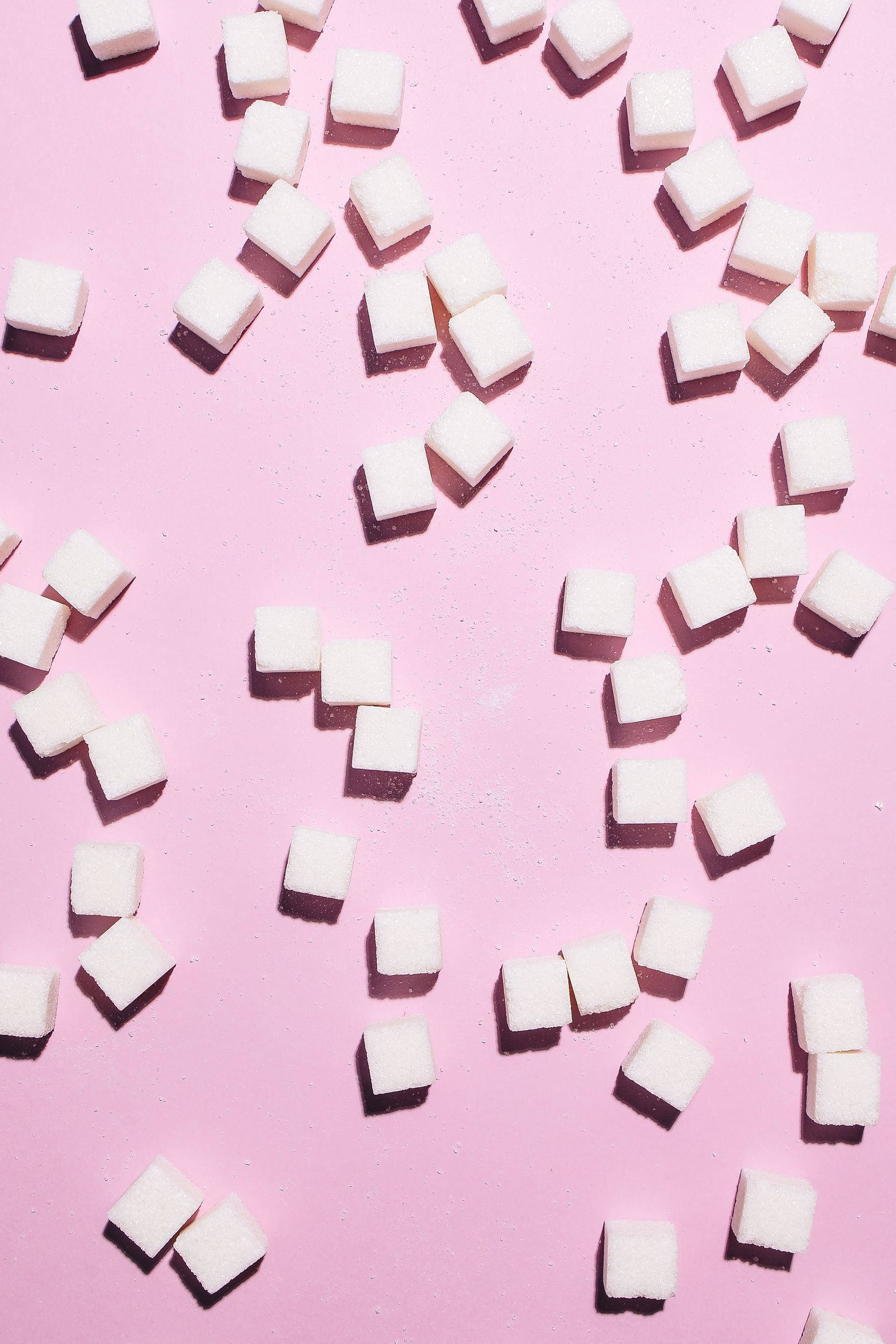
Illustrative stock photo; not a photograph of this exact recipe or a product test. Photo by Polina Tankilevitch · License.
The sugar lines on a food label answer different questions. Understanding the difference helps you compare products without assuming that every gram comes from the same source.
Total sugar vs added sugar: read the two lines together
Total sugars include sugars present in the food and sugars added during processing. Added sugars are part of that total, not an extra amount to add on top. The FDA added-sugars guide explains the label format.
Use a yogurt comparison
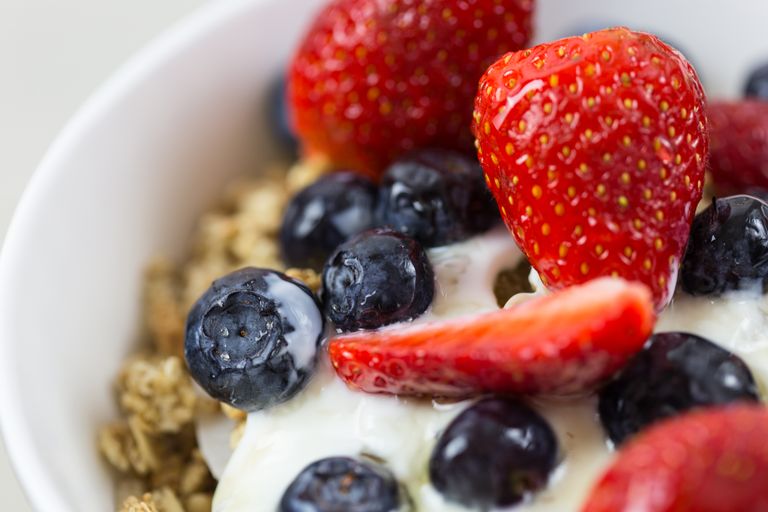
Compare plain yogurt with a sweetened version of the same serving size. Plain dairy yogurt can contain naturally occurring milk sugar even when it has no added sweetener. Read both the ingredient list and the nutrient panel rather than relying on a flavor name.
Watch your actual portion
A bottle may contain more than one labeled serving. Calculate for the amount you drink. When comparing sauces or granola, use the quantity you put in a meal; the package’s sample portion may differ from yours.
Make a change you enjoy
If you want a less sweet breakfast, mix plain yogurt with fruit, or combine a sweetened yogurt with plain yogurt. Taste before adding honey or syrup. Those sweeteners still contribute sugar even when a product is described as natural.
Keep the decision in context
You do not need to judge a whole eating pattern by one ingredient. Compare similar products, consider how often you use them, and choose what fits your preferences and any professional guidance you have received. A label is information, not a moral score.
General education only; this is not individualized medical or dietary advice. For needs related to a medical condition, pregnancy, medications, or disordered eating, consult a qualified clinician or registered dietitian.
Read the word includes as part of the total
On a U.S. Nutrition Facts label, the added-sugars line describes a portion of total sugars. It is not another figure to add on. For example, if a hypothetical label lists 12 grams total sugar and includes 5 grams added sugar, the total remains 12 grams for that serving. This example explains the relationship between the lines; it is not a recommended amount or a description of a particular product.
Compare the same kind of food in the same amount
A plain yogurt and a flavored yogurt can be a useful comparison because the underlying food is similar. Check the serving amounts first. If the quantities differ, calculate for equal weights or your planned portion. Do not assume a lower number on one package proves the product is lower for the amount you will eat. Package size and serving definition can change the apparent result.
Look at the role of sweetness in your meal
A little sweetened ingredient may be part of a meal with several other components. Consider how often you use it, how much you add, and whether you enjoy the result. If you want a less sweet breakfast, try a smaller quantity of topping or mix sweetened and plain yogurt. Make one change, taste it, and decide whether it is practical to repeat rather than removing everything at once.
Avoid turning one label line into a whole-food verdict
The sugar lines provide useful information, but they do not describe every feature of a food. Ingredients, allergens, other nutrients, portion size, convenience, and personal needs still matter. If a clinician has given you specific guidance, use that plan rather than a generic target from an article. The goal is understanding the label so your choice is informed, not creating guilt around a single ingredient.
Frequently asked questions
Are honey and maple syrup different for label purposes?
They still contribute sugar when used as sweeteners. Their flavor may differ, but natural wording does not make the added sweetness disappear from the meal.
Can plain yogurt contain sugar?
Yes. Dairy yogurt can include naturally occurring milk sugar without added sweetener. Read the ingredient list and the two sugar lines together.
Why do two products show different percentages?
They may have different amounts per labeled serving. Check the serving size, grams, and reference information before comparing the percentage alone.
Find easy snack combinations using fruit, yogurt, toast, hummus, and crackers. Plan portions, portable options, and safe packing for your day. Illustrative stock photo; not a photograph of this exact recipe or a product test. Photo by RDNE Stock project · License. In this article Choose easy snack combinations for your schedule Pair foods you…
Do beginners need protein powder? Review the purpose, ingredients, allergens, cost, and evidence before deciding whether a supplement fits your needs. Illustrative stock photo; not a photograph of this exact recipe or a product test. Photo by https://kaboompics.com/ · License. In this article Decide what you need protein powder to do Read the whole label…
Explore carbohydrate food examples such as oats, rice, potatoes, bread, and beans. Learn how to choose ingredients and combine them in meals. Illustrative stock photo; not a photograph of this exact recipe or a product test. Photo by Dina Nasyrova · License. In this article Carbohydrate food examples to keep in your kitchen Make familiar…
Compare dairy vs plant-based yogurt by serving size, ingredients, texture, allergens, and nutrients. Choose a product that fits the meal you make. Illustrative stock photo; not a photograph of this exact recipe or a product test. Photo by Foodie Factor · License. In this article Choose dairy or plant-based yogurt for the recipe Read beyond…
Learn how to read nutrition labels by checking serving size, comparing equal amounts, and using Daily Value in context. Includes shopping examples. Illustrative stock photo; not a photograph of this exact recipe or a product test. Photo by Laura James · License. In this article Start reading nutrition labels with the serving size Compare similar…
Keep a food journal without counting calories to notice meal timing, packing problems, and useful routines. Includes prompts and limits to consider. Illustrative stock photo; not a photograph of this exact recipe or a product test. Photo by Nicolás Rueda · License. In this article Start a food journal with short entries Record useful context…