Choose meal prep kitchen essentials around two recipes. Inventory tools, plan cleanup and storage, and add appliances only for a recurring task.
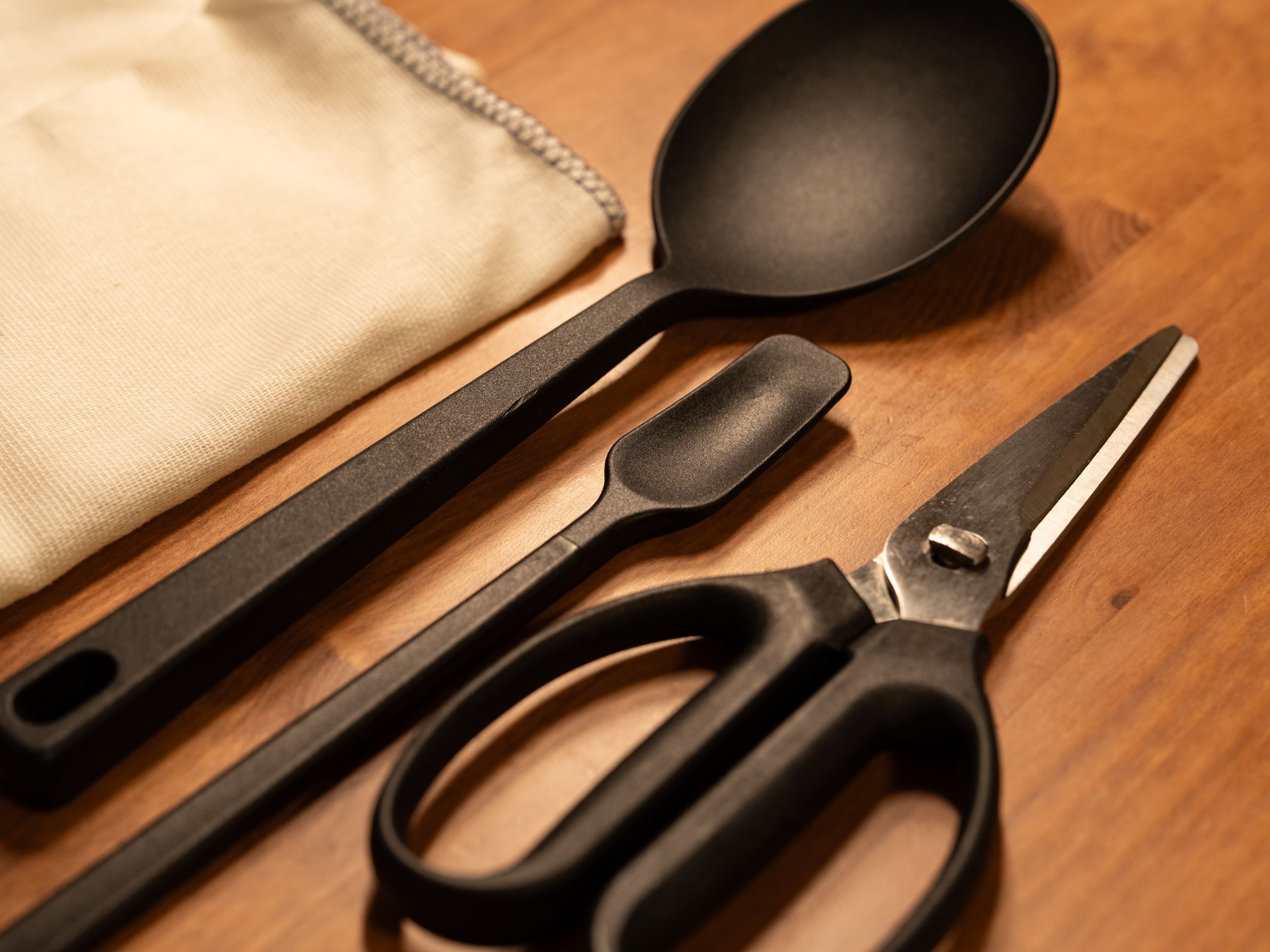
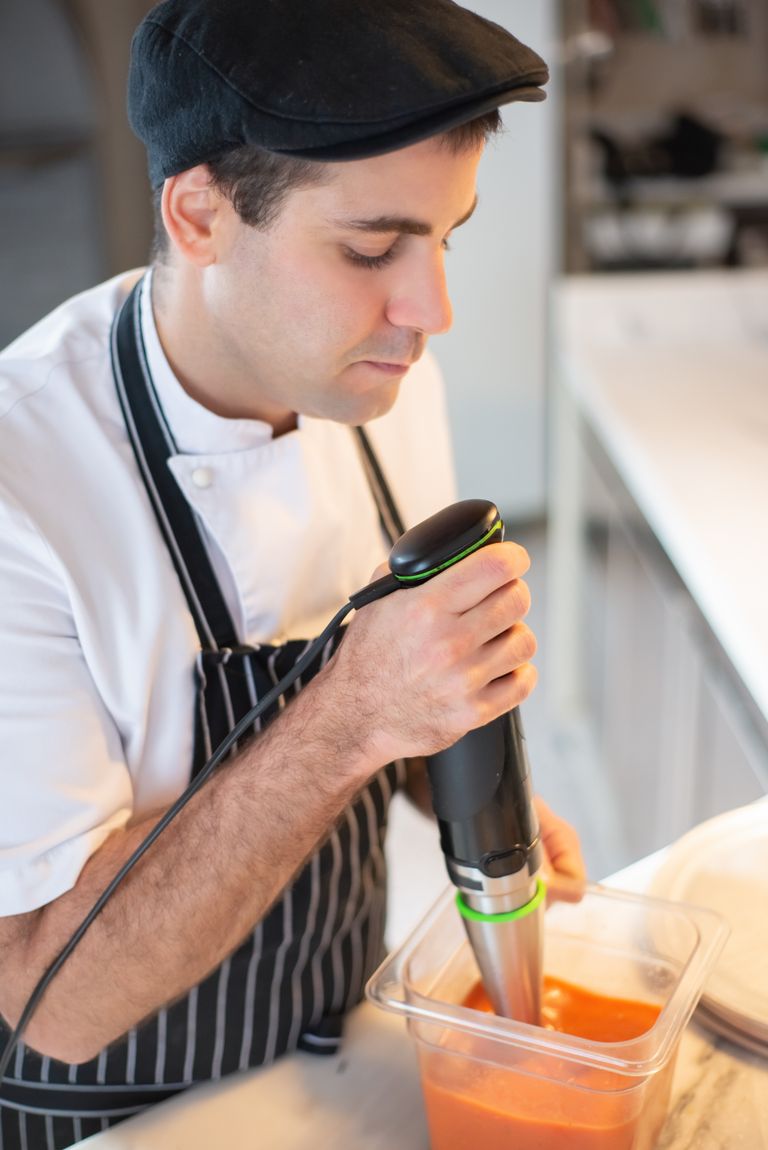
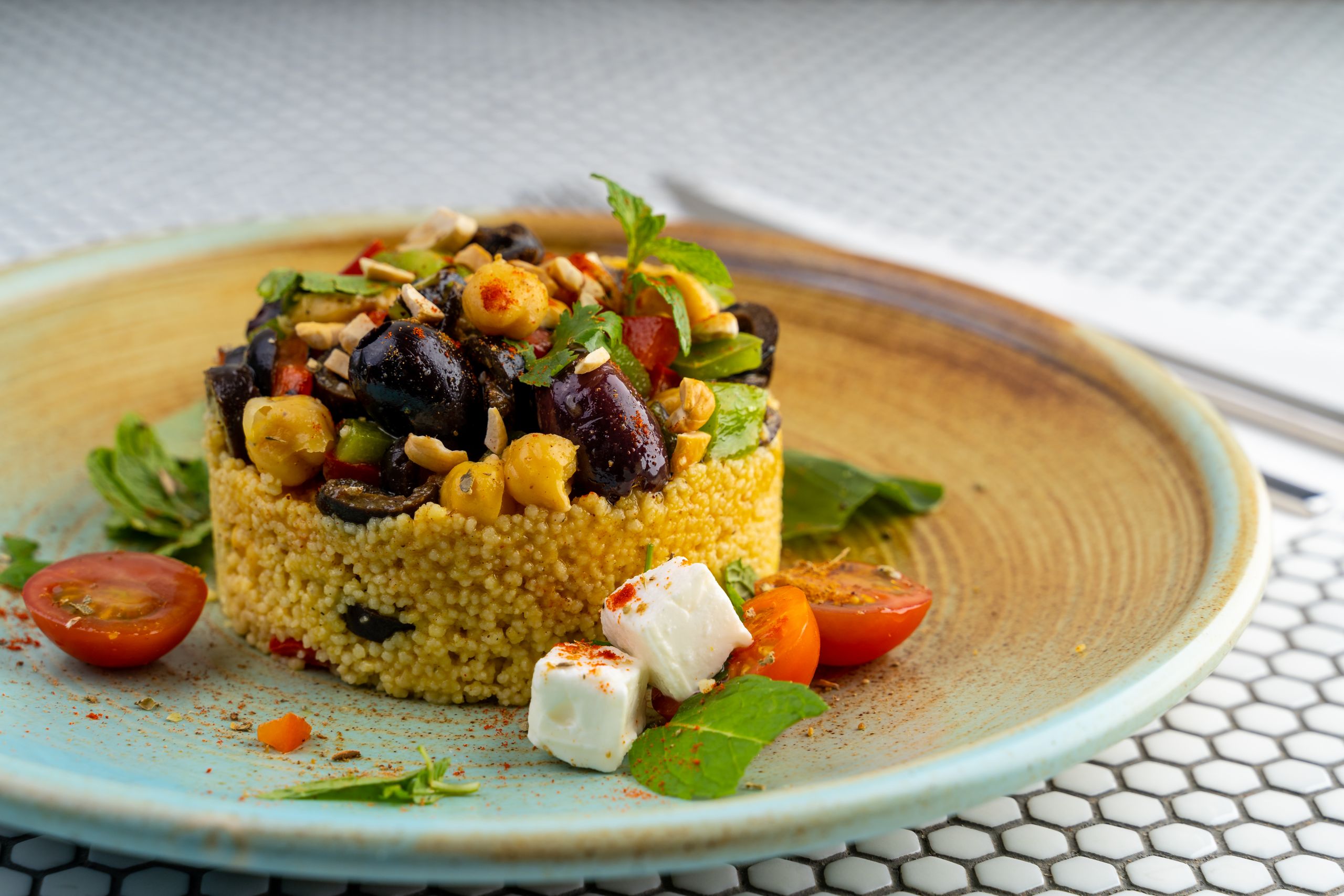
Illustrative stock photo; not a photograph of this exact recipe or a product test. Photo by Gu Ko · License.
Editorial buying guide: this article compares features and use cases, not hands-on test results or a ranked product test. Some links in this article are affiliate links; we may earn a commission from qualifying purchases. See our Affiliate Disclosure. Verify the exact model’s current manual, specifications, and price before buying.
Start with tools that remove a specific obstacle. A small, usable kit is easier to store and clean than a collection of appliances chosen before you know your routine.
Inventory your meal prep kitchen essentials
Check your knife, board, pan, pot, measuring tools, and storage containers. Make sure they are in safe condition and suitable for the recipes you plan. Write down an actual missing function, such as needing a lid for soup storage, rather than a general desire for more equipment.
Build around two recipes
A soup and an overnight oats breakfast require a different kit from roasted vegetables and baked eggs. Read both recipes fully, list their tools, and borrow or substitute appropriately where possible. Avoid buying a specialized gadget for a recipe you have not decided to repeat.
Include safety and cleanup
Food and appliance thermometers can answer cooking and storage questions. Clean cloths, washing supplies, and a way to separate raw ingredients from ready-to-eat foods matter too. Refer to USDA appliance thermometer guidance when checking refrigerator storage.
Add appliances after a pattern emerges
If chopping repeatedly stops you cooking, investigate a suitable processor. If you make blended drinks most days, compare blenders. Measure storage space and account for cleaning time before buying. More power or more attachments do not automatically solve your particular problem.
Use a purchase rule
Before checkout, name the task, how often you will do it, where the tool will live, and how you will clean it. If those answers are unclear, keep using your current setup for another week. This guide contains no hands-on testing claims or promise that every reader needs the same kit.
Start with two recipes and a tool inventory
Choose one meal and one breakfast you want to repeat. Read every step and list the equipment each uses. Compare that list with safe, suitable tools already in your kitchen. A pot, pan, knife, board, mixing bowl, and storage containers may cover the first attempt without an appliance purchase. Identify a specific missing function rather than buying a starter bundle whose contents do not match the recipes.
Design the workspace before adding equipment
Clear a safe preparation surface, organize ingredients, and decide where hot cookware will land. Keep raw ingredients handled separately as needed and make cleaning supplies easy to reach. Space and workflow can be the real bottleneck. Buying another appliance does not help if you have nowhere to operate or wash it. Check electrical and placement instructions for any powered tool rather than squeezing it into an unsuitable gap.
Add safety and storage to the checklist
Food and appliance thermometers answer different questions about cooking and refrigeration. Storage containers need to fit the meals, shelf, and any permitted heating method. Check exact instructions for all of these tools. A collection of matching boxes is less useful than a small set you can label, cool food in appropriately, carry, and clean. Keep lids paired so an apparently complete kit does not become unusable during packing.
Use a clear rule for the next purchase
Before buying, name the recurring task, how often you do it, where the tool will live, and how it will be cleaned. Compare the full setup cost, including necessary attachments. If you cannot answer those questions, keep using the current system and note what remains awkward. Add equipment in response to a real pattern rather than treating a more elaborate kitchen as a prerequisite for cooking.
A task-first equipment checklist
Task
Check your current setup
Cook a chosen recipe
Suitable pot or pan and safe handling space
Prepare ingredients
Stable board and appropriate cutting tools
Pack a meal
Useful container shape and secure matching lid
Store safely
Temperature awareness, labels, and shelf space
Frequently asked questions
Do I need a blender to start meal prep?
No. Choose recipes that suit the equipment you have. Consider a blender only when you regularly want an approved blending task that your current tools do not handle.
Should I buy a large matching set?
Count useful complete pieces and compare them with your recipes and storage. Matching appearance does not guarantee that every size will be used.
What should I upgrade first?
Address a recurring limitation or unsafe, unsuitable item. The right first upgrade depends on your kitchen, recipes, and abilities rather than a universal shopping list.
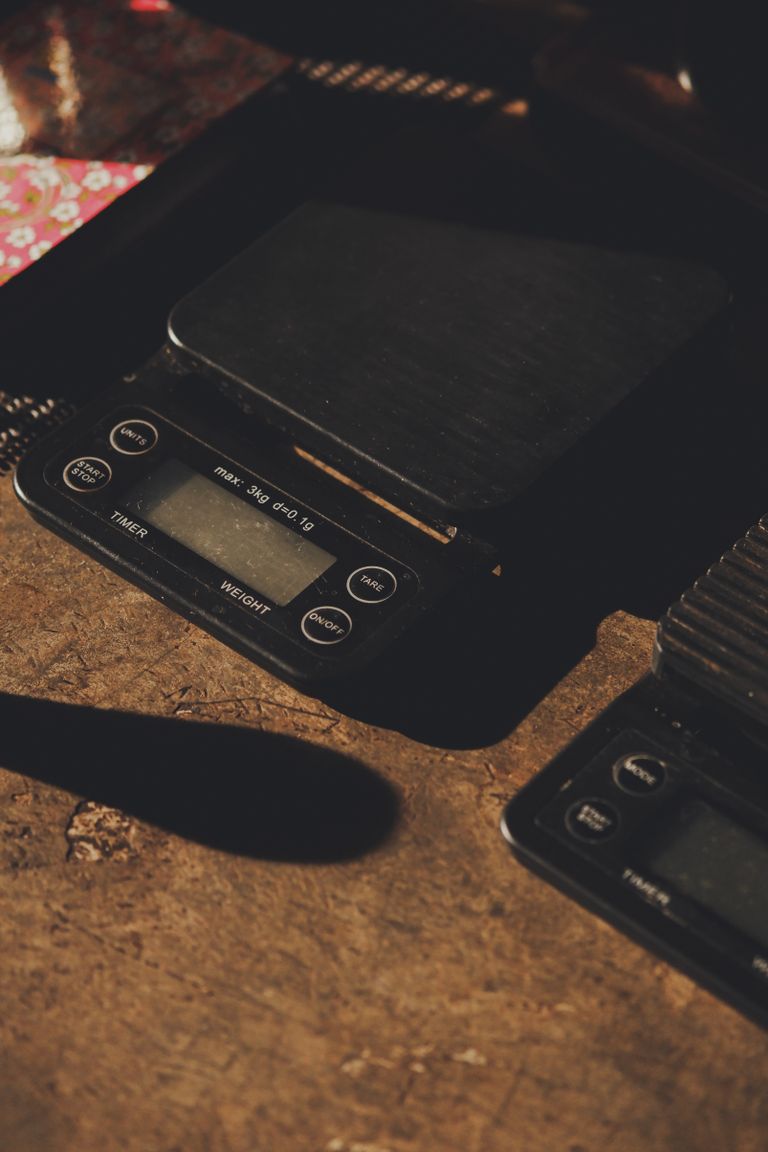
Use this kitchen scale buying guide to compare capacity, display readability, tare controls, units, cleaning, and power before purchasing. Illustrative stock photo; not a photograph of this exact recipe or a product test. Photo by Bimbim Sindu · License. In this article Kitchen scale buying guide: features to compare Understand the specification Think about your…
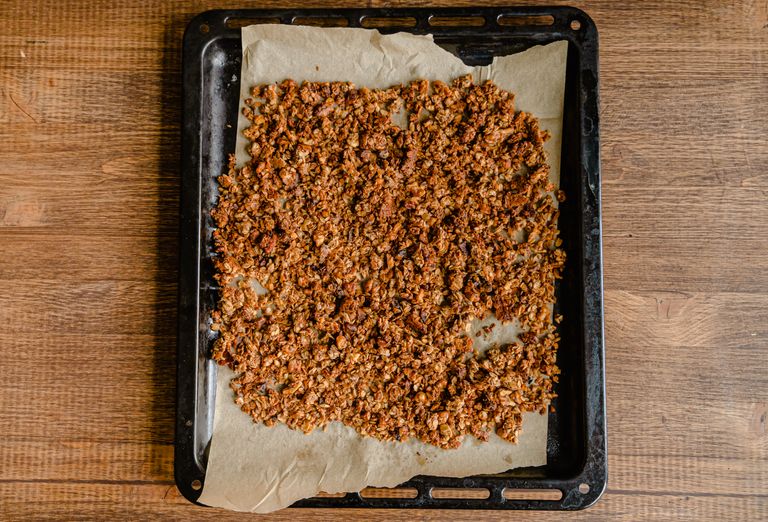
Use this sheet pan buying guide to compare oven fit, pan size, construction, cleaning, and storage for small-batch meal prep. Illustrative stock photo; not a photograph of this exact recipe or a product test. Photo by Antoni Shkraba · License. In this article Sheet pan buying guide: measure your oven first Match size to the…
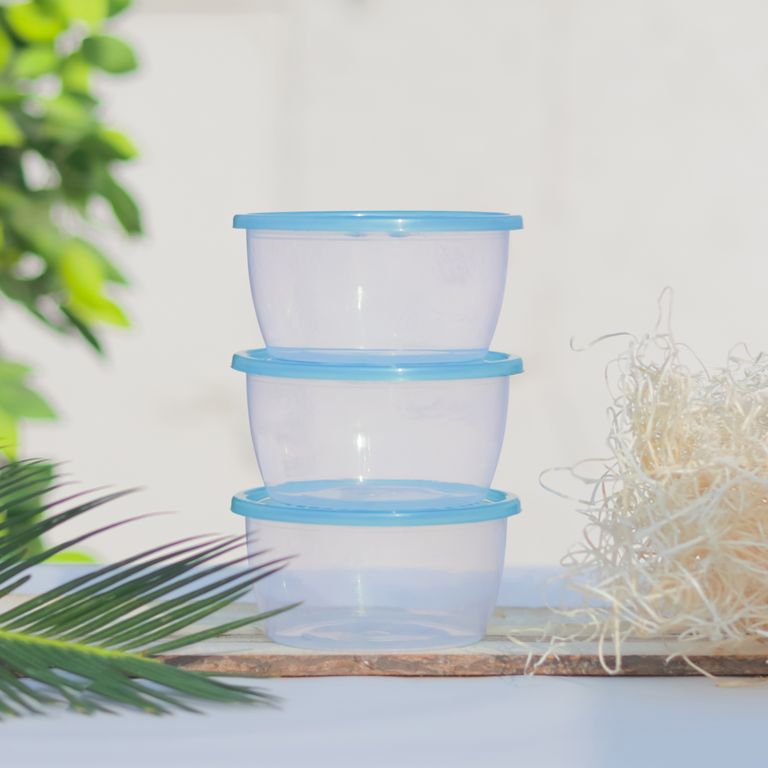
Compare meal prep container sizes and shapes for lunches, sauces, soup, and prepared ingredients. Plan a useful set without buying by piece count alone. Illustrative stock photo; not a photograph of this exact recipe or a product test. Photo by Ibrahim Plastic Industry ( IPI ) · License. In this article Count meal prep containers,…
Compare ten meal prep container types and formats, from lunch boxes to sauce tubs. Check size, lid compatibility, care, and permitted uses. Illustrative stock photo; not a photograph of this exact recipe or a product test. Photo by Ello · License. In this article Meal prep container types: ten formats to compare Before buying a…
Compare an immersion blender vs countertop blender for soup by batch size, hot-food handling, cleanup, and storage. Check the exact model manual. Illustrative stock photo; not a photograph of this exact recipe or a product test. Photo by Kampus Production · License. In this article Immersion blender vs countertop blender: the workflow Check the vessel…
Use this insulated lunch bag buying guide to check container fit, cold-pack space, cleaning, and carrying comfort for packed meals. Illustrative stock photo; not a photograph of this exact recipe or a product test. Photo by GB The Green Brand · License. In this article Lunch bag buying guide: measure your packed meal Plan temperature…