Use this sheet pan buying guide to compare oven fit, pan size, construction, cleaning, and storage for small-batch meal prep.
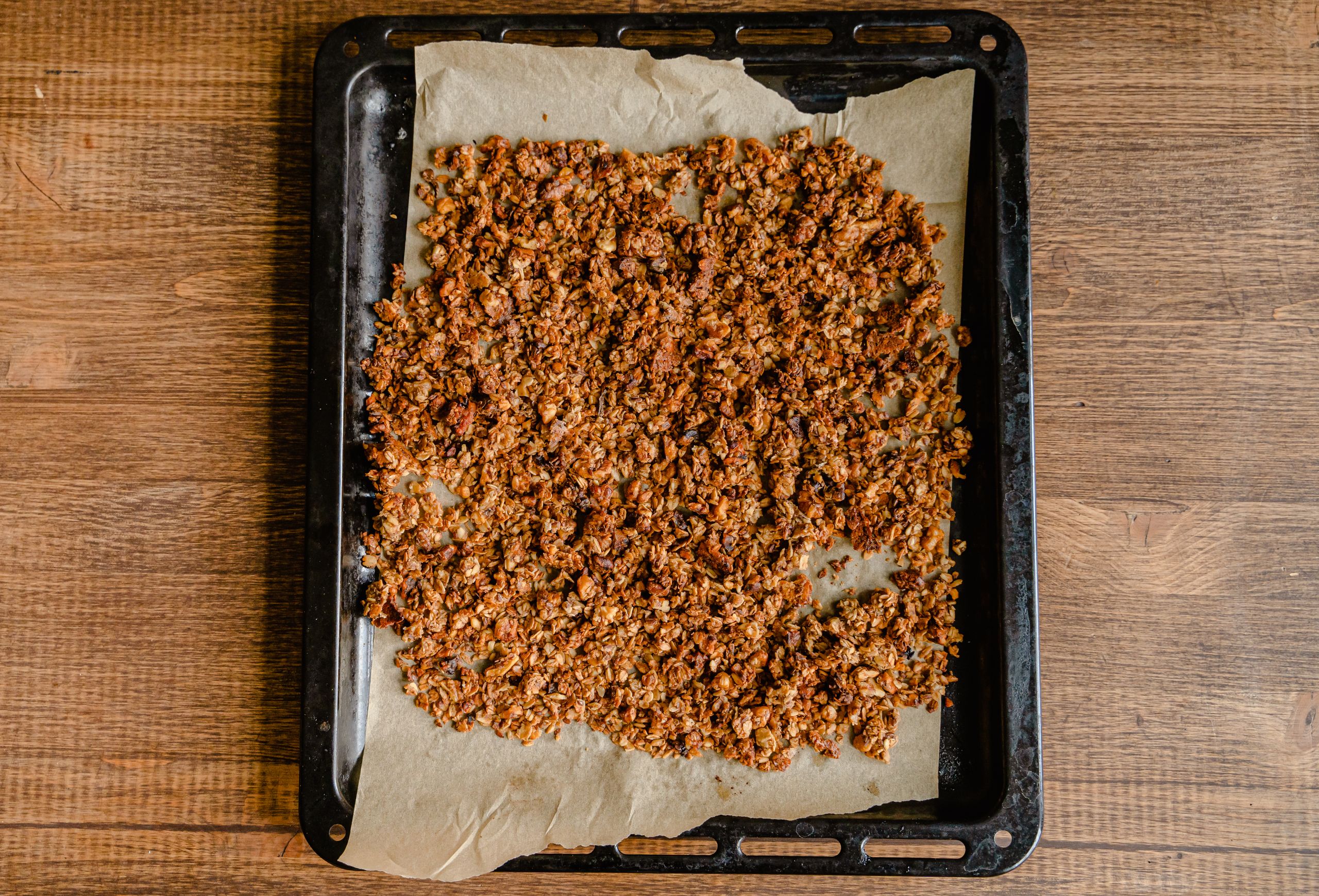
Illustrative stock photo; not a photograph of this exact recipe or a product test. Photo by Antoni Shkraba · License.
Editorial buying guide: this article compares features and use cases, not hands-on test results or a ranked product test. Some links in this article are affiliate links; we may earn a commission from qualifying purchases. See our Affiliate Disclosure. Verify the exact model’s current manual, specifications, and price before buying.
A sheet pan is useful only if it fits your oven and the amount you cook. The most practical choice may be a pair of smaller pans rather than the largest tray available.
Sheet pan buying guide: measure your oven first
Check the usable rack area and the pan’s external dimensions, including the rim. Leave the clearances required by your oven manual. Names such as half-sheet and quarter-sheet are helpful starting points, but verify actual measurements.
Match size to the meal
Vegetables need room if you want browning rather than a crowded, wet tray. Two smaller pans can let you remove quick-cooking ingredients before slower ones. Consider whether the pan also fits your sink and storage space.
Compare construction
Read the material, coating, and temperature guidance. A coated pan may have restrictions on utensils and cleaning; an uncoated pan may stain with use. A heavier pan can feel sturdy but be less comfortable to lift when full. Handle a comparable size if shopping in person.
Plan for cleaning
Check dishwasher instructions rather than assuming metal means dishwasher-safe. Liners may help cleanup, but they have their own temperature and use limits. Avoid using abrasive tools on a surface that the manufacturer says can be damaged.
Start with one task
If your usual prep is two portions of vegetables, buy for that task first. Note whether food cooks evenly enough for your needs and whether the pan is easy to move safely with oven gloves. Replace damaged equipment according to its care guidance. This is a feature checklist, not a tested ranking of brands.
Measure the path into the oven
Measure usable rack space and the tray’s external dimensions, including its rim and handles. Follow the oven’s clearance guidance. A pan that fits only at an angle may be inconvenient or unsuitable. Also check the sink, dishwasher if permitted, and storage cupboard. A large tray can create an unexpected cleanup problem when it cannot sit comfortably in the place where you need to wash it.
Choose size by a familiar recipe
Think about two portions of vegetables or the quantity you actually roast, not an imagined holiday batch. Crowding can change the cooking result, while a very large pan may be awkward for small tasks. Two smaller pans can help separate foods with different cooking times. They also require enough oven room and safe handling space, so compare the complete workflow rather than assuming more pans are automatically more flexible.
Read coating and temperature instructions
Check permitted heat, cleaning, utensils, and liner use for the exact pan. A metal tray, coated tray, and its lining can have different limitations. Do not assume broiler suitability or dishwasher permission from appearance. Surface marks may be cosmetic or may indicate damage depending on the product, so follow its care guidance. Avoid generic advice to scrub aggressively or use a particular cleaner without confirming compatibility.
Consider safe lifting when the pan is full
A heavier pan may feel stable but be harder to lift with hot food. Look at the rim and how you will hold it with oven gloves. Set out a safe landing area before cooking. If your usual batch needs repeated trips through a narrow kitchen, a smaller manageable tray can be more practical than one large one. Match the purchase to strength, space, and the food you prepare.
Measure before buying
Location
What to check
Oven
Rack space, rim size, required clearance
Sink
Room to clean without awkward balancing
Storage
A place to keep the tray safely
Hands
Comfortable grip with gloves and food
Frequently asked questions
Are half-sheet names enough to confirm fit?
No. Check actual external measurements and your oven’s usable space. Product naming is a starting point, not a substitute for dimensions.
Should I always use a liner?
Only when it suits the cooking method and both the liner and pan instructions permit it. Liners have their own temperature and use limits.
Do I need several matching pans?
Start with the tasks you repeat. Add another pan when you can name the benefit, such as separating ingredients with different cooking times.
Compare ten meal prep container types and formats, from lunch boxes to sauce tubs. Check size, lid compatibility, care, and permitted uses. Illustrative stock photo; not a photograph of this exact recipe or a product test. Photo by Ello · License. In this article Meal prep container types: ten formats to compare Before buying a…
Compare glass vs plastic meal prep containers by carrying weight, size, lids, cleaning, and permitted heating. Choose for your actual routine. Illustrative stock photo; not a photograph of this exact recipe or a product test. Photo by Ella Olsson · License. In this article Glass vs plastic meal prep containers: key tradeoffs Measure before buying…
Compare an immersion blender vs countertop blender for soup by batch size, hot-food handling, cleanup, and storage. Check the exact model manual. Illustrative stock photo; not a photograph of this exact recipe or a product test. Photo by Kampus Production · License. In this article Immersion blender vs countertop blender: the workflow Check the vessel…
Compare meal prep container sizes and shapes for lunches, sauces, soup, and prepared ingredients. Plan a useful set without buying by piece count alone. Illustrative stock photo; not a photograph of this exact recipe or a product test. Photo by Ibrahim Plastic Industry ( IPI ) · License. In this article Count meal prep containers,…
Choose meal prep kitchen essentials around two recipes. Inventory tools, plan cleanup and storage, and add appliances only for a recurring task. Illustrative stock photo; not a photograph of this exact recipe or a product test. Photo by Gu Ko · License. In this article Inventory your meal prep kitchen essentials Build around two recipes…
Compare blender vs food processor tasks, batch sizes, cleanup, storage, and attachment compatibility before choosing a kitchen appliance. Illustrative stock photo; not a photograph of this exact recipe or a product test. Photo by Lisa Fotios · License. In this article Blender vs food processor: match the tool to the task Look at capacity realistically…