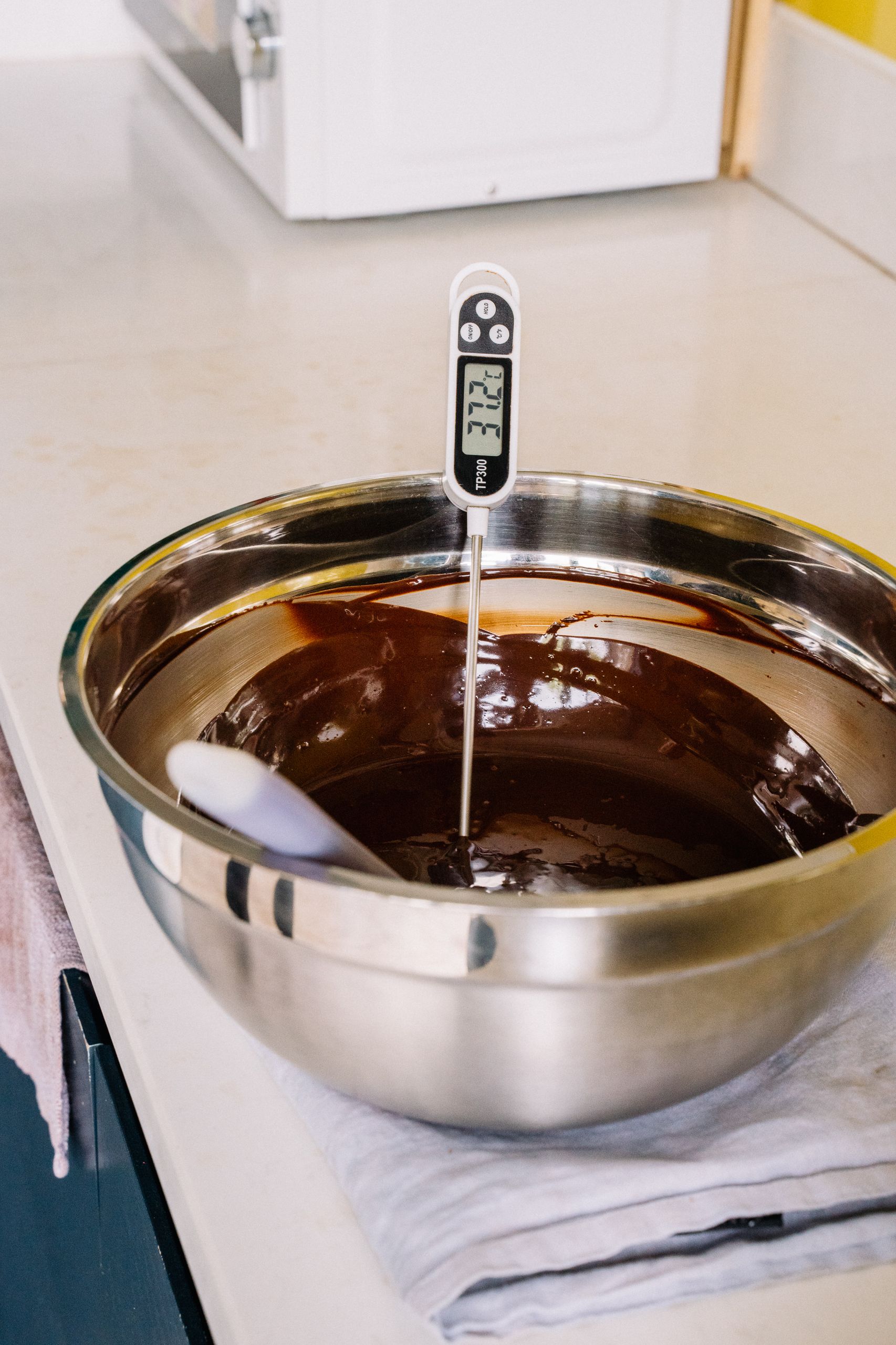
Use this food thermometer buying guide to compare probes, display readability, response specifications, cleaning, and safe use instructions.
Illustrative stock photo; not a photograph of this exact recipe or a product test. Photo by Anna Tarazevich · License.
Editorial buying guide: this article compares features and use cases, not hands-on test results or a ranked product test. Some links in this article are affiliate links; we may earn a commission from qualifying purchases. See our Affiliate Disclosure. Verify the exact model’s current manual, specifications, and price before buying.
A food thermometer answers a safety question that color and cooking time cannot reliably answer on their own. Choose one you can use and read easily during your normal cooking.
Food thermometer buying guide: choose for the food
Check the sensing area and insertion depth in the manual. A long dial stem may be awkward in a thin food, while a suitable digital probe may be easier to place. Instant-read and leave-in thermometers serve different purposes; do not leave a device in the oven unless the manufacturer permits it.
Compare practical features
A readable display from your cooking position.
A probe suitable for the thickness of food you prepare.
A stated temperature range and accuracy specification.
Clear response-time and cleaning instructions.
A way to check accuracy or obtain support.
Use the reading correctly
Place the sensor as directed, check more than one location when appropriate, and avoid relying on the first convenient spot. Different foods have different safe minimum temperatures and rest requirements. Keep a current reference such as the USDA food thermometer guide.
Plan cleaning and storage
Read water-resistance claims carefully; splash resistance does not necessarily permit immersion. Clean between uses according to the manual and keep a probe cover if provided. Store sharp probes where they will not cause injury or be damaged.
Choose usability over decoration
A thermometer that stays in a drawer is less useful than one you can find and operate. Before buying, consider whether the controls, screen, and battery replacement are manageable for you. No model-specific test or performance claim is made here.
Choose the thermometer type for the cooking task
An instant-read device is normally used to check food near the end of cooking, while an approved leave-in probe serves a different workflow. Do not put a device into an oven merely because it measures high temperatures. Check the exact instructions, sensing area, insertion requirements, and food thickness it can measure. A long probe that works in a large roast may be awkward in a thin egg cup or small portion.
Look at how you will read and hold it
Consider screen size, orientation, lighting, grip, and whether the probe reaches the food without bringing your hand uncomfortably close to heat. A quick specification is useful only when you can use the device correctly. Think about your cooking position and any accessibility needs. Check battery access and storage too, so the thermometer is available when needed rather than left unpowered in a drawer.
Use a current food-specific temperature reference
Safe cooking requirements depend on the food and can include a rest period. Keep an authoritative reference available rather than applying a single number to every ingredient. Insert the sensor according to the device and food guidance, and check more than one location when appropriate. Color, clear juices, or a hot outer surface do not replace a proper temperature check. The USDA resource linked in this guide is a useful starting point.
Plan cleaning and accuracy checks
Follow the manual for cleaning the probe between uses and for checking accuracy or calibration. Water resistance and immersion permission are different claims. Keep sharp probes protected and avoid damaging the sensor during storage. If the device gives inconsistent readings, use the manufacturer’s troubleshooting process rather than assuming an unusual number is simply a quirk. Replace or service equipment according to its guidance when it cannot be trusted.
Compare usability and care
Feature
Question to ask
Probe
Suitable for food thickness and placement?
Display
Readable from your cooking position?
Care
Clear cleaning and accuracy-check instructions?
Use type
Instant-read or approved leave-in application?
Frequently asked questions
Can I leave an instant-read thermometer in the oven?
Only if that exact device is designed and approved for the use. Many instant-read thermometers are meant for checking food outside continuous oven exposure.
Where should the probe go?
Follow the sensing-area and insertion guidance for the device and the food. Thin and thick foods can require different placement techniques.
Is a fast reading automatically an accurate one?
No. Response time and accuracy are separate specifications. Correct placement, the device’s condition, and following its instructions still matter.
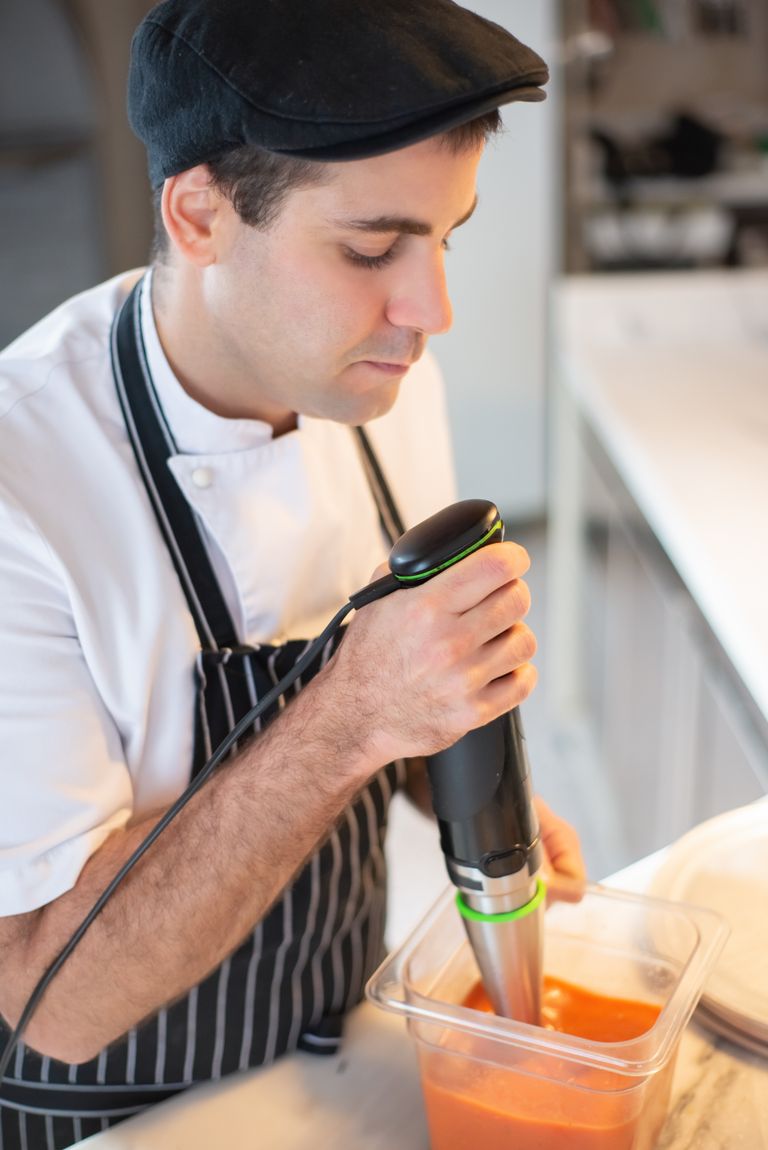
Compare an immersion blender vs countertop blender for soup by batch size, hot-food handling, cleanup, and storage. Check the exact model manual. Illustrative stock photo; not a photograph of this exact recipe or a product test. Photo by Kampus Production · License. In this article Immersion blender vs countertop blender: the workflow Check the vessel…
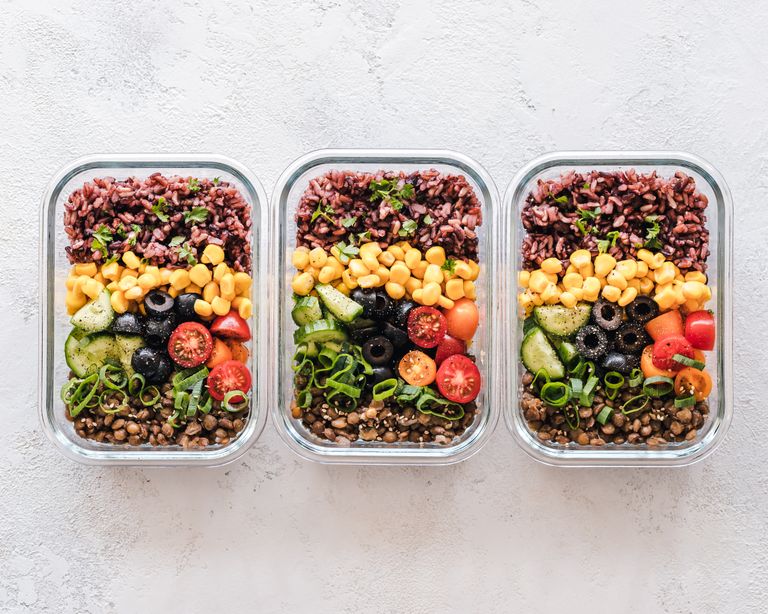
Compare glass vs plastic meal prep containers by carrying weight, size, lids, cleaning, and permitted heating. Choose for your actual routine. Illustrative stock photo; not a photograph of this exact recipe or a product test. Photo by Ella Olsson · License. In this article Glass vs plastic meal prep containers: key tradeoffs Measure before buying…
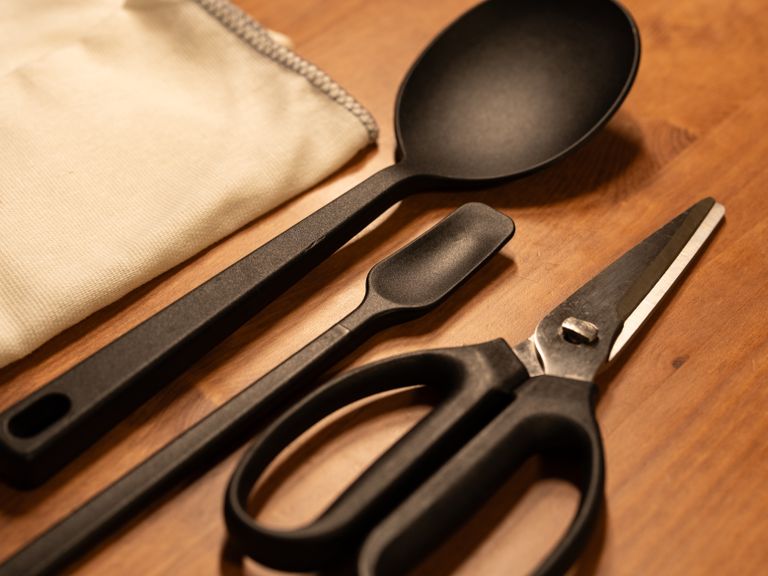
Choose meal prep kitchen essentials around two recipes. Inventory tools, plan cleanup and storage, and add appliances only for a recurring task. Illustrative stock photo; not a photograph of this exact recipe or a product test. Photo by Gu Ko · License. In this article Inventory your meal prep kitchen essentials Build around two recipes…
Use this sheet pan buying guide to compare oven fit, pan size, construction, cleaning, and storage for small-batch meal prep. Illustrative stock photo; not a photograph of this exact recipe or a product test. Photo by Antoni Shkraba · License. In this article Sheet pan buying guide: measure your oven first Match size to the…
Compare ten meal prep container types and formats, from lunch boxes to sauce tubs. Check size, lid compatibility, care, and permitted uses. Illustrative stock photo; not a photograph of this exact recipe or a product test. Photo by Ello · License. In this article Meal prep container types: ten formats to compare Before buying a…
Use this kitchen scale buying guide to compare capacity, display readability, tare controls, units, cleaning, and power before purchasing. Illustrative stock photo; not a photograph of this exact recipe or a product test. Photo by Bimbim Sindu · License. In this article Kitchen scale buying guide: features to compare Understand the specification Think about your…