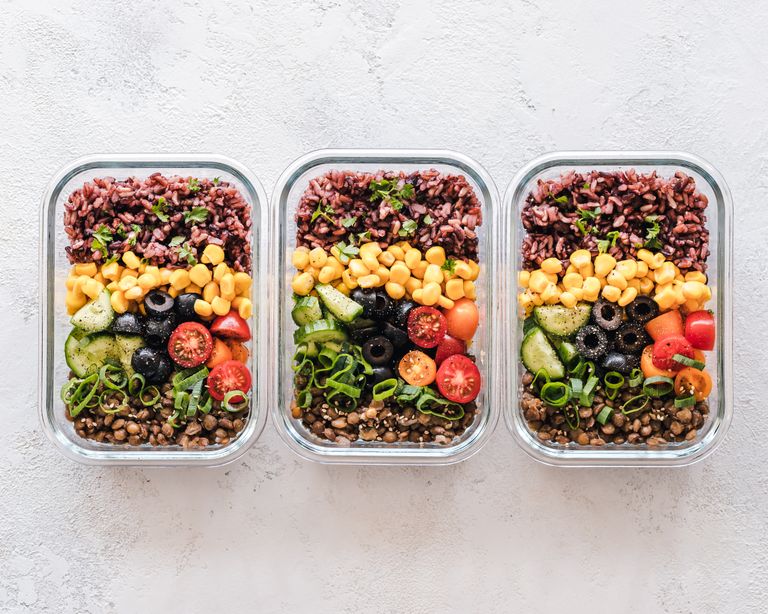
Compare meal prep container sizes and shapes for lunches, sauces, soup, and prepared ingredients. Plan a useful set without buying by piece count alone.
Editorial buying guide: this article compares features and use cases, not hands-on test results or a ranked product test. Some links elsewhere on Home Gym Eats are affiliate links; we may earn a commission from qualifying purchases. See our Affiliate Disclosure. Verify the exact model’s current manual, specifications, and price before buying.
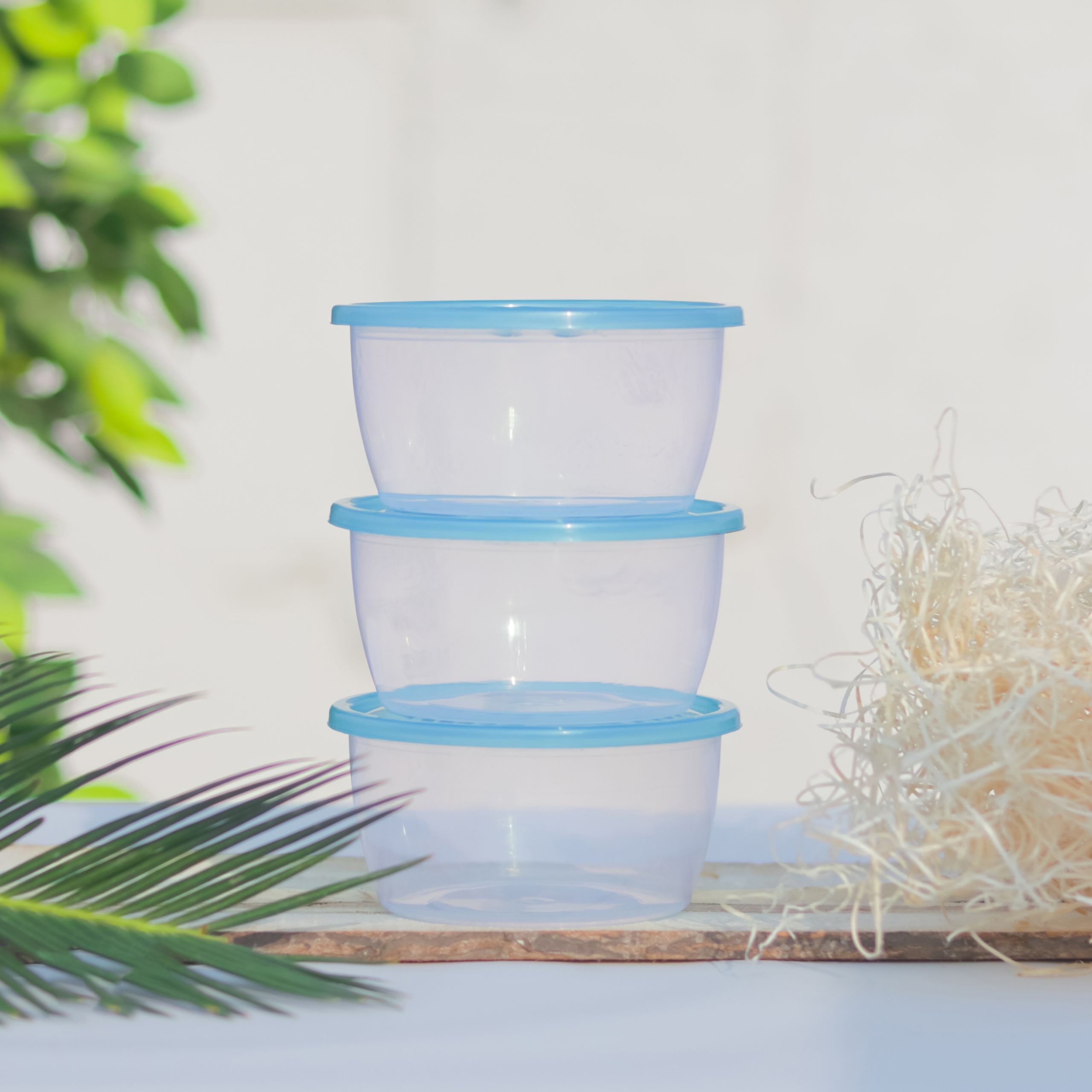
A useful container collection follows your meals. Buying a set by piece count alone can leave you with many tiny lids and too few lunch-size bases.
Count meal prep containers, not pieces
Some packages count each lid as a separate piece. Check the number of actual containers and the size of each. Decide how many portions you need between washing days, then add a small number of sauce or snack containers if useful.
Choose shapes for the task
Wide, shallow containers can be easier to eat from and stack. Deep tubs suit some soups but may be awkward for a mixed lunch. Divided containers keep components apart, but fixed compartments may not match your usual portions.
Test a portion first
Use an existing bowl to estimate the space your normal lunch needs. Remember that salad leaves, soup, and a rice bowl occupy different volumes. Leave room for mixing and any expansion required when freezing. Volume is not a dietary portion recommendation.
Standardize carefully
Matching lid sizes can simplify the cupboard, but check compatibility across models and generations. Replacement parts matter if you expect to keep the set for years. Avoid buying extra shapes that do not fit your bag or refrigerator.
Start small
A practical first set might contain two meal containers and two small topping containers, adjusted to your schedule. Try them for a week before expanding. Follow each product’s heating, freezing, and cleaning instructions. See our material comparison for more questions to ask. This guide evaluates features rather than claiming hands-on product testing.
Measure a normal meal before choosing volume
Use a bowl or container you own to understand the space your usual lunch occupies. A leafy salad can need more room than the same apparent serving of a compact grain dish. Leave space for mixing without spilling. Container volume is not a nutrition prescription, so avoid choosing food portions only because a box has a fixed size. Begin with the meal and choose suitable packaging around it.
Separate meal boxes from topping containers
One large box does not solve every task. A small container can keep dressing away from crisp ingredients, but buying dozens of tiny tubs creates a different storage problem. Count how many you will use between washing days. Consider whether a divided box actually fits your combinations; fixed compartments may waste space or be too small for the component you use most.
Count bases and lids accurately
A set’s advertised piece count may include both parts. Check how many complete containers you receive and the distribution of sizes. Read replacement-lid information and compatibility by model or generation. Similar dimensions do not guarantee that lids will seal correctly. If you choose a matching system, make sure the sizes you need are available rather than buying an assortment mostly because it looks organized.
Try the set through a full weekday
Fill a container, place it in your actual bag with cooling sources, and check the space it needs in the refrigerator and microwave if appropriate. Wash it according to instructions and see how it dries and stores. This small trial reveals more about personal fit than a product photograph. Expand the collection only after the shape and lid arrangement prove useful in your routine.
Choose by the food you pack
Use
Shape to evaluate
Mixed lunch
Room to mix and eat comfortably
Soup
Suitable lid, expansion space when freezing
Sauce
Small closure designed for transport
Prepared components
Stacking, visibility, and portion access
Frequently asked questions
How many meal prep containers should I buy?
Count planned portions and washing frequency, then start small. There is no single correct number for every household or schedule.
Do divided containers prevent every leak?
No. Compartments and lids vary. Check the exact product’s instructions and suitability for liquids rather than assuming internal dividers make each section watertight.
Can I use a large tub for everything?
It may suit some components, but meal-size portions can be easier to organize and cool appropriately. Match the shape to the task and safe handling requirements.
Use this insulated lunch bag buying guide to check container fit, cold-pack space, cleaning, and carrying comfort for packed meals. Illustrative stock photo; not a photograph of this exact recipe or a product test. Photo by GB The Green Brand · License. In this article Lunch bag buying guide: measure your packed meal Plan temperature…
Compare an immersion blender vs countertop blender for soup by batch size, hot-food handling, cleanup, and storage. Check the exact model manual. Illustrative stock photo; not a photograph of this exact recipe or a product test. Photo by Kampus Production · License. In this article Immersion blender vs countertop blender: the workflow Check the vessel…
Use this sheet pan buying guide to compare oven fit, pan size, construction, cleaning, and storage for small-batch meal prep. Illustrative stock photo; not a photograph of this exact recipe or a product test. Photo by Antoni Shkraba · License. In this article Sheet pan buying guide: measure your oven first Match size to the…
Choose meal prep kitchen essentials around two recipes. Inventory tools, plan cleanup and storage, and add appliances only for a recurring task. Illustrative stock photo; not a photograph of this exact recipe or a product test. Photo by Gu Ko · License. In this article Inventory your meal prep kitchen essentials Build around two recipes…
Use this kitchen scale buying guide to compare capacity, display readability, tare controls, units, cleaning, and power before purchasing. Illustrative stock photo; not a photograph of this exact recipe or a product test. Photo by Bimbim Sindu · License. In this article Kitchen scale buying guide: features to compare Understand the specification Think about your…
Compare glass vs plastic meal prep containers by carrying weight, size, lids, cleaning, and permitted heating. Choose for your actual routine. Illustrative stock photo; not a photograph of this exact recipe or a product test. Photo by Ella Olsson · License. In this article Glass vs plastic meal prep containers: key tradeoffs Measure before buying…